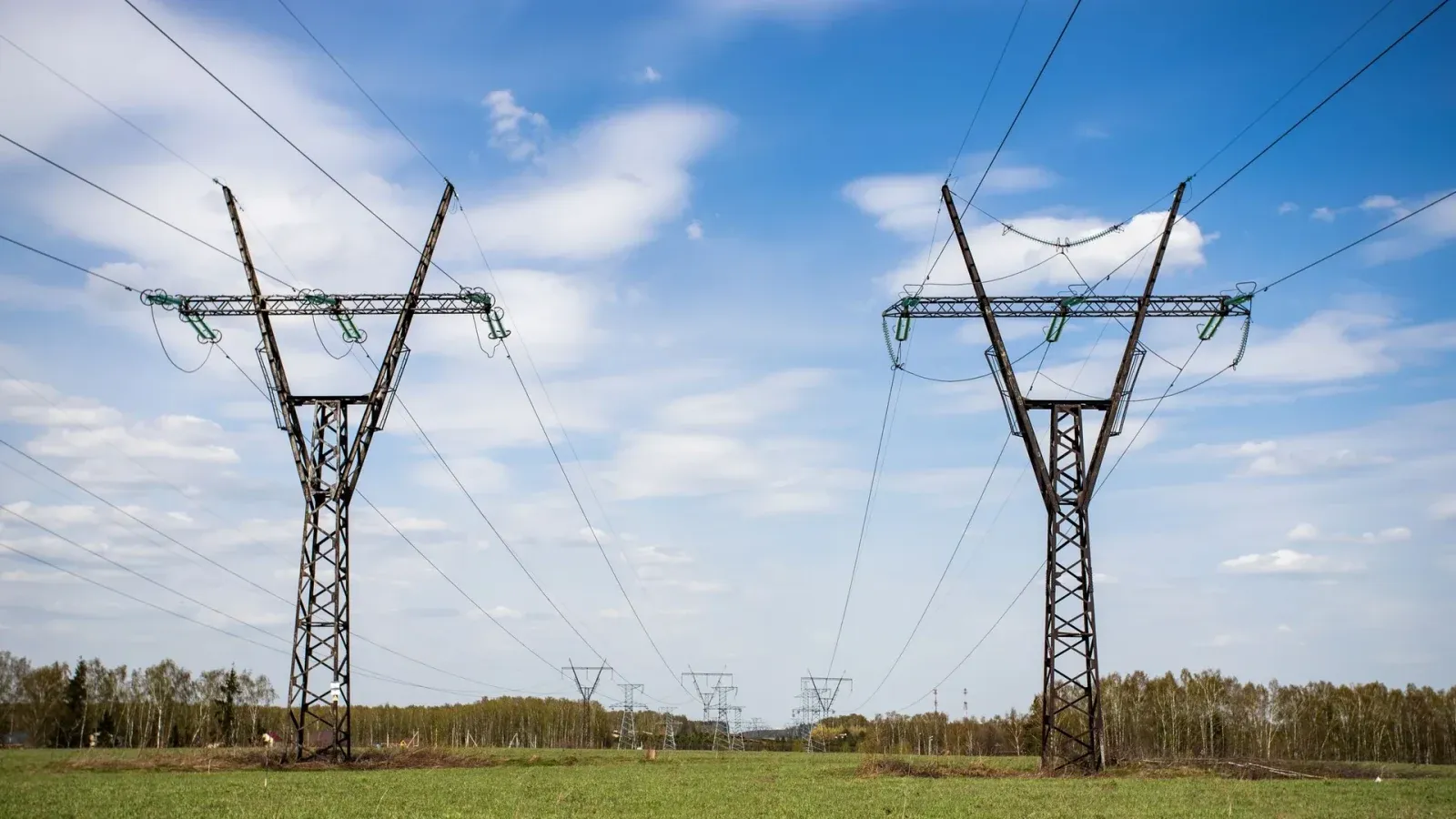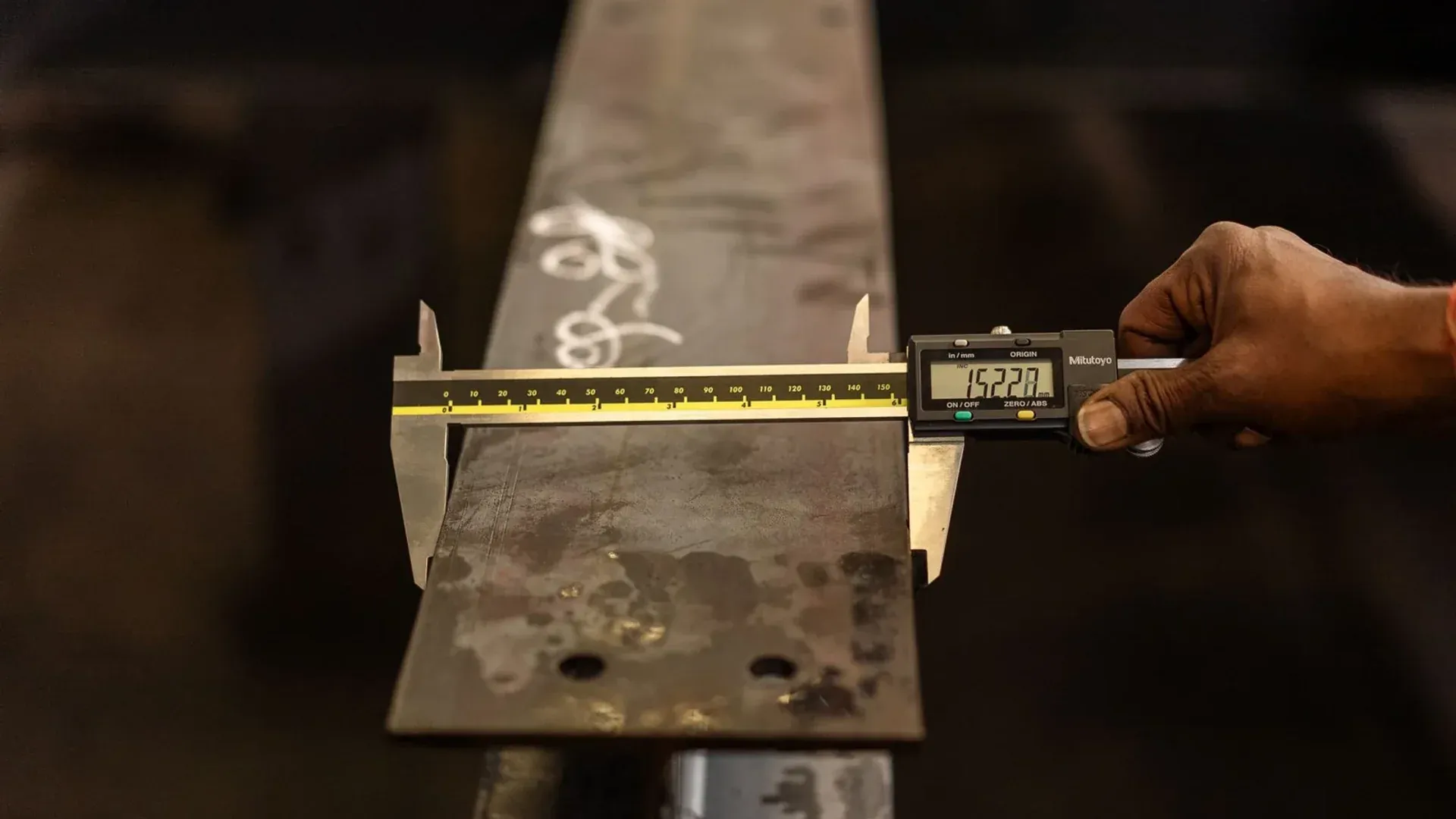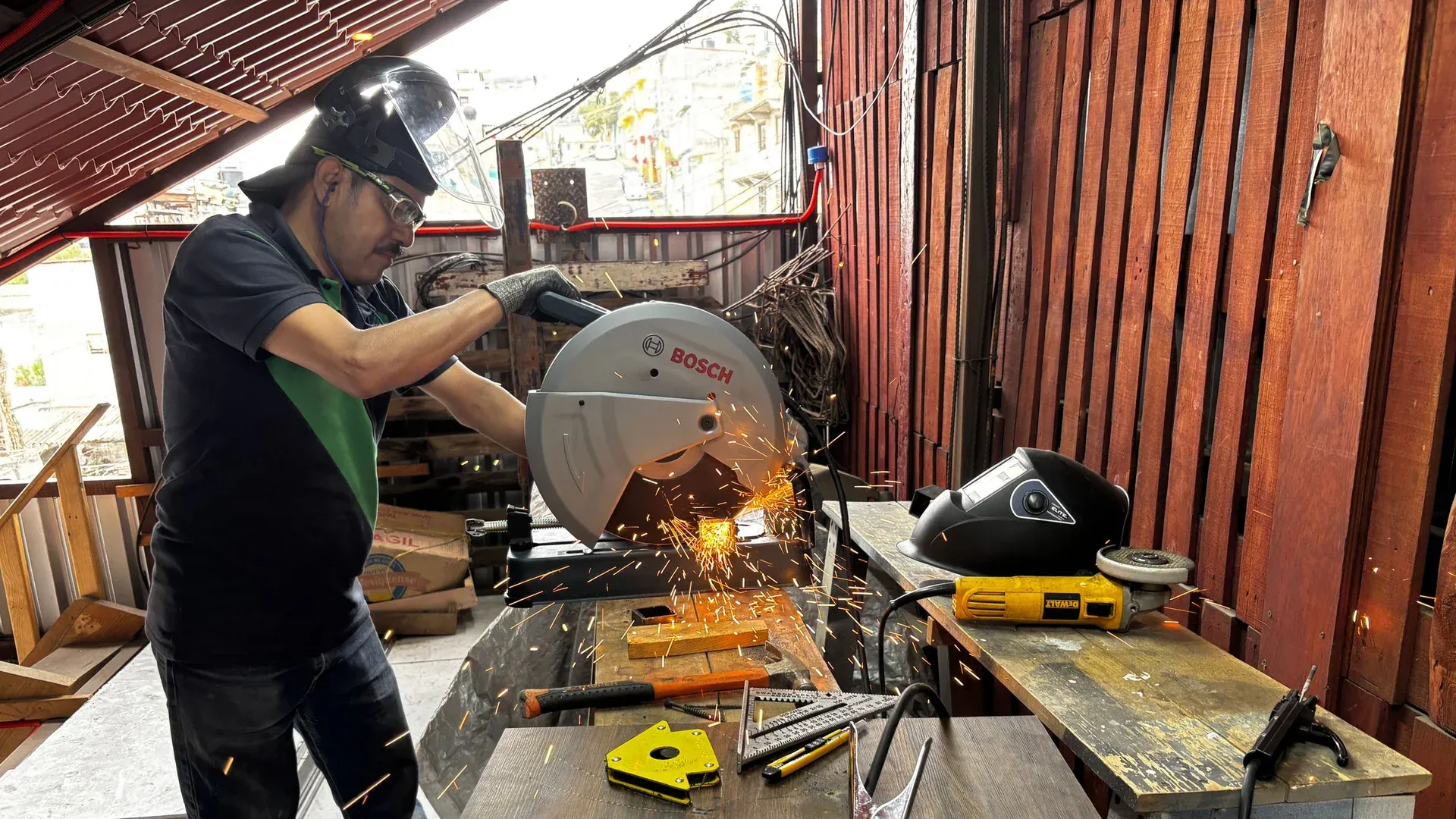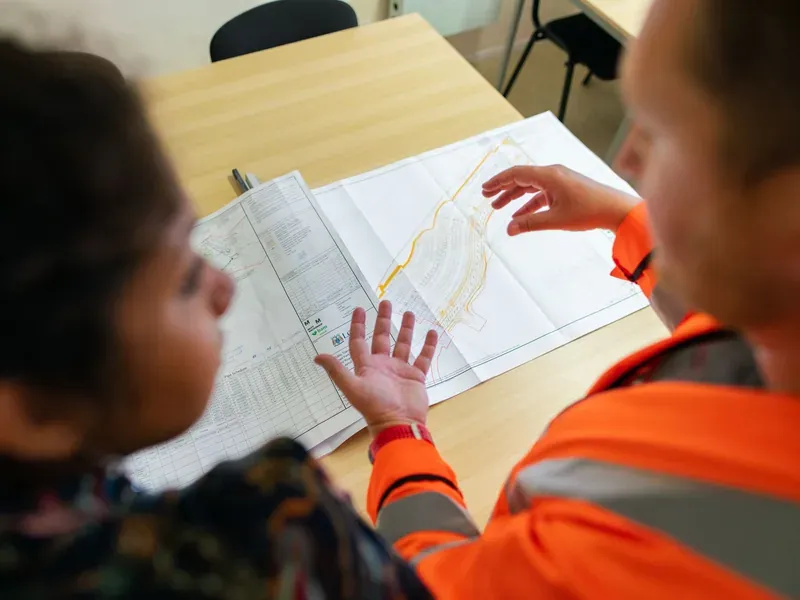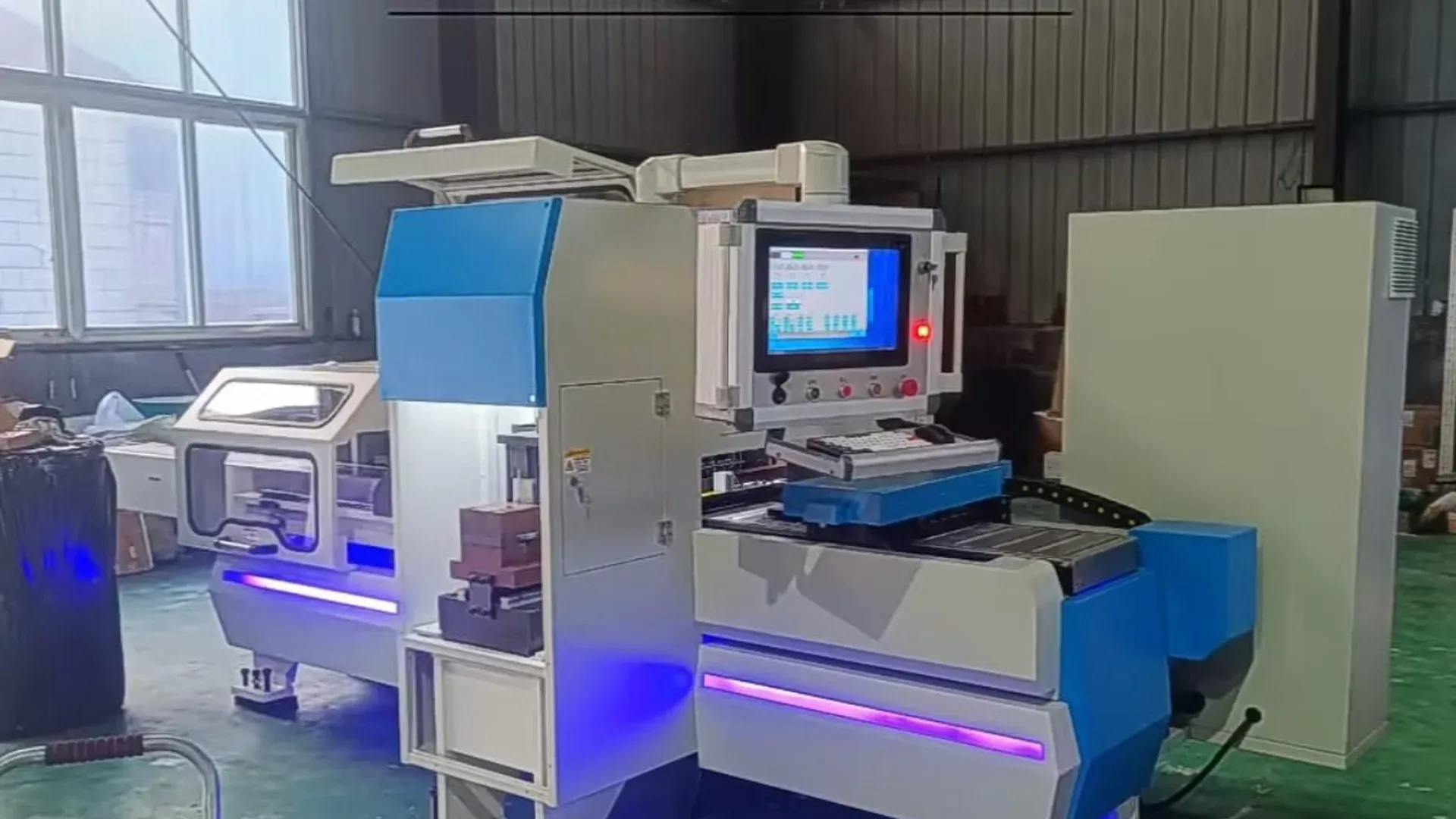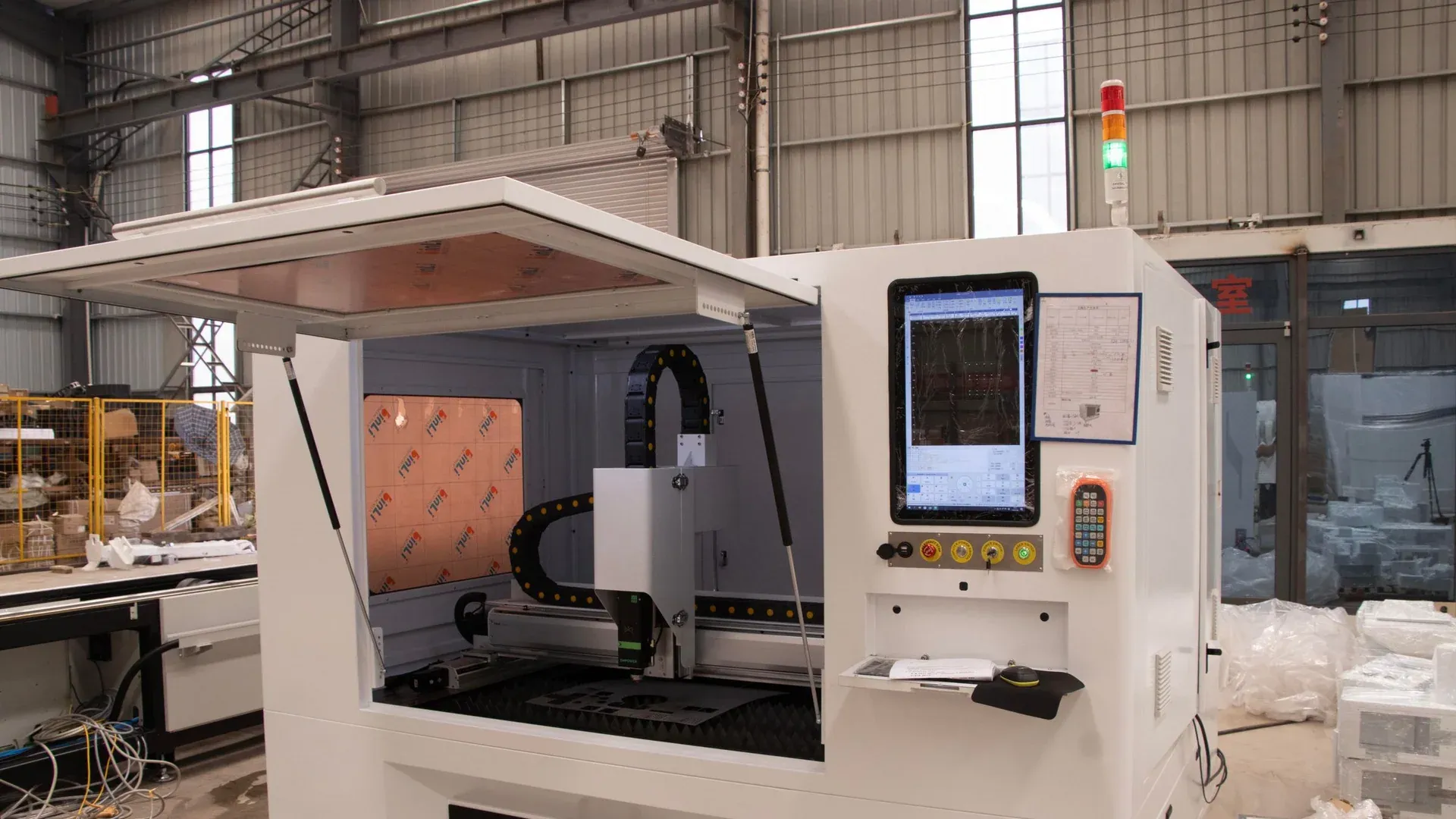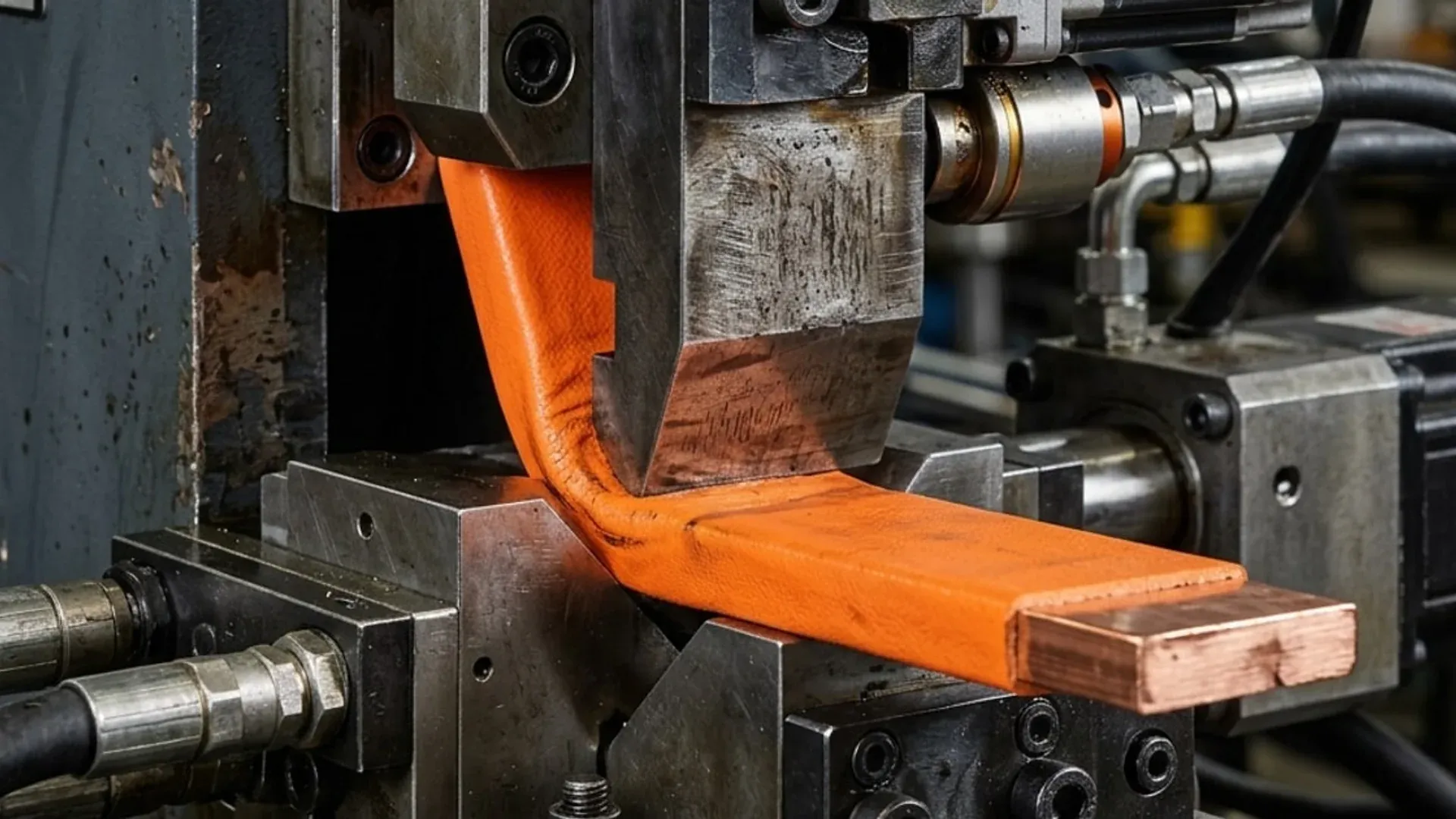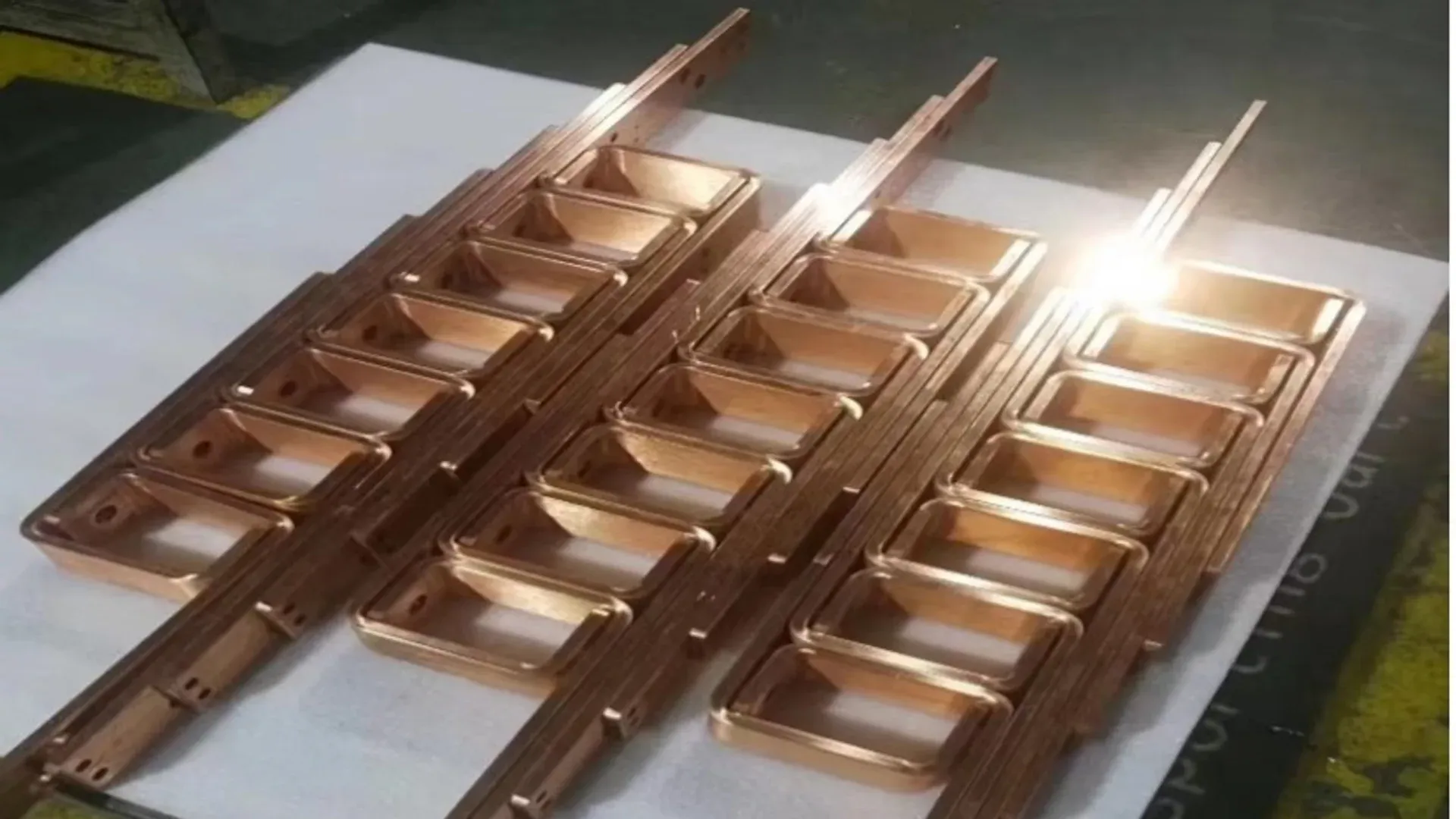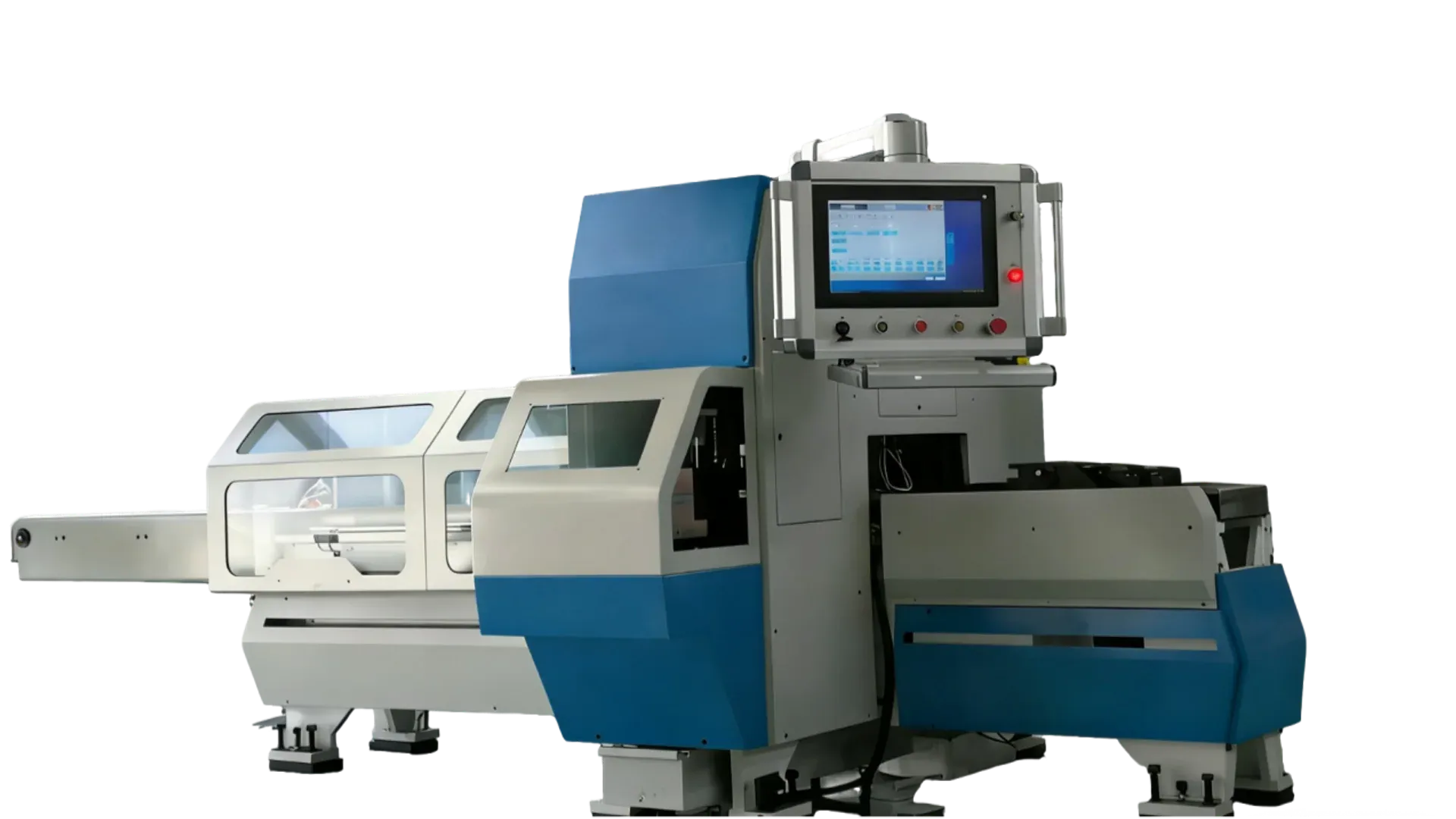
CNC Busbar Machine Lead Time: From Purchase Order to Stable Production
Plan CNC busbar machine lead time from specification freeze through engineering, tooling, FAT, freight, customs, installation, SAT, training, and stable production.
Operational guides, thickness calculations, shipping logs, and custom die configurations for electrical panel production lines.
Machine types, specifications, capacity and RFQ decisions.
International procurementSupplier checks, FAT, shipping, commissioning and support.
Manufacturing applicationMaterials, fabrication controls, verification and line capacity.

Plan CNC busbar machine lead time from specification freeze through engineering, tooling, FAT, freight, customs, installation, SAT, training, and stable production.

Turn a CNC busbar machine quotation into an enforceable technical annex covering configuration, performance, tests, documents, tooling, training, changes, and acceptance.

Plan US electrical review for an imported CNC busbar machine by separating NFPA 79 machine scope, UL 508A panel scope, installation, AHJ review, and field evaluation.

Prepare for CNC busbar machine installation with a controlled layout, route survey, utilities, lifting plan, energy control, material flow, and readiness gate.

Convert CNC busbar machine commissioning into role-based operator, programmer, maintenance, and supervisor competence verified through teach-back and representative parts.

Compare CNC busbar machine warranty terms by coverage, start date, diagnosis, response, parts logistics, labor, exclusions, repeated failures, and measurable remedies.

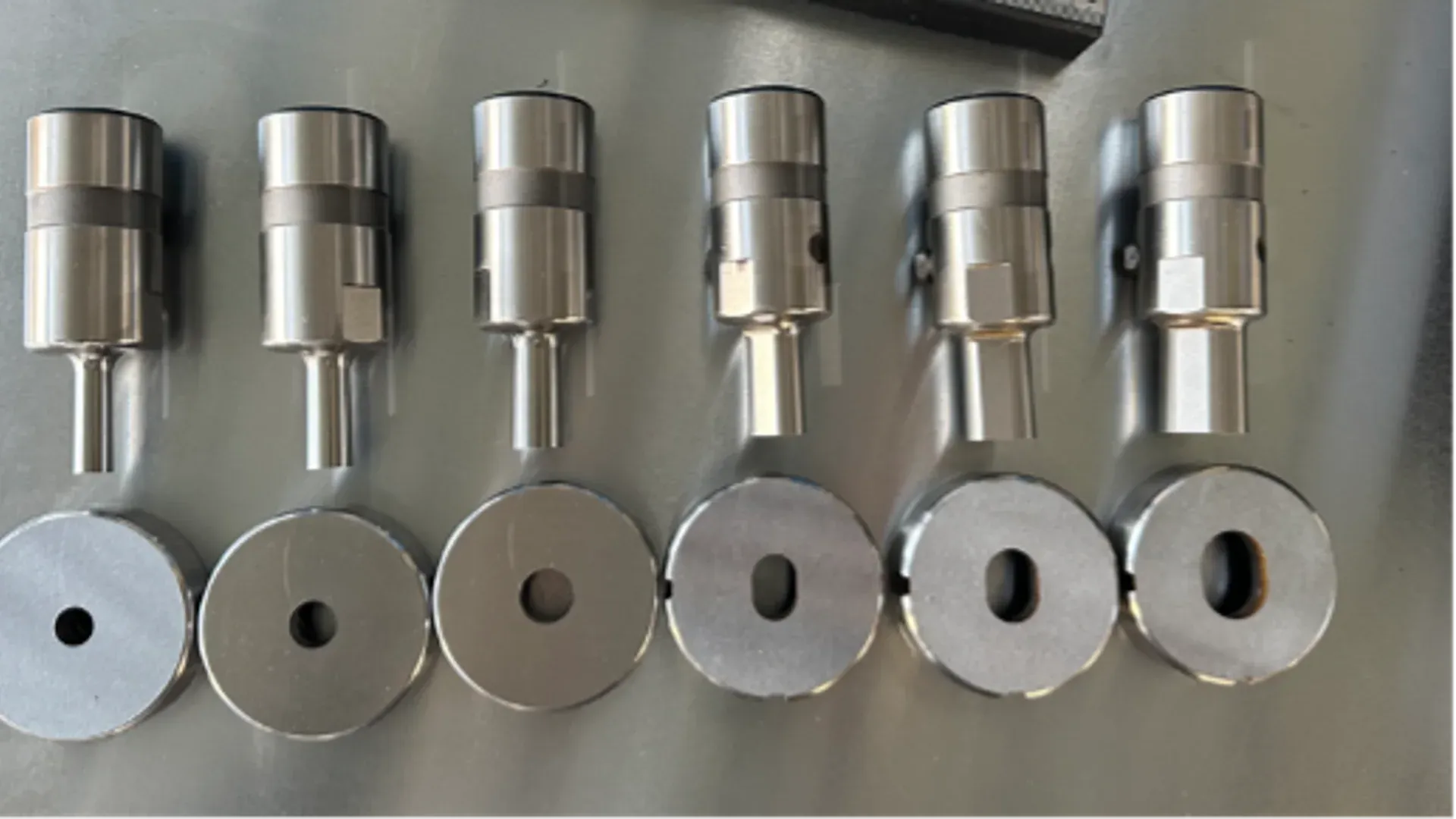
Specify a busbar machine tooling package from production drawings, including punch-and-die pairs, shear requirements, bending tools, identification, wear limits, and sample validation.

Build a CNC busbar machine spare-parts package by failure consequence, probability, replenishment time, commissioning need, shelf life, and recoverability.

Compare used, refurbished, and new CNC busbar machines through identity, condition, sample-part capability, controls, support, and risk-adjusted landed cost.

Calculate practical busbar machine capacity from part routes, cycle time, changeovers, availability, performance, and quality instead of relying on nominal machine speed.

Build a CNC busbar machine RFQ that makes supplier quotations comparable across capacity, tooling, controls, acceptance tests, documentation, delivery, and service.

Compare in-house and outsourced busbar fabrication using relevant cost, capacity, copper yield, engineering-change speed, quality ownership, and break-even demand.

Plan repeatable busbar thermography around NFPA 70B, safe line of sight, operating load, copper emissivity, comparable references, work orders, and post-repair scans.

Qualify copper busbar laser marking from identifier and mark zone through surface state, Data Matrix quality, MES transaction control, finishing, and final scan.

Check EU CBAM treatment for copper and aluminum busbars by CN code, importer threshold, current 2026 scope, emissions data, and the separate downstream expansion process.

Verify incoming copper busbar with traceable certificates, qualified eddy-current screening, ASTM B193 resistivity testing, temperature control, and clear retest rules.

Protect copper busbars in receiving, storage, work in process, and shipment with dry handling, level support, compatible packaging, lot control, and staged inspection.

Control copper busbar forming by specifying alloy and temper, qualifying representative bend coupons, and treating annealing as a validated material process.

Design busbar holes around the real bend-deformation zone, contact pad, fastener access, material state, tooling, and a supplier-qualified capability envelope.

Distinguish busbar insulation-resistance measurement from dielectric withstand testing, then define safe boundaries, comparable records, and failure investigation.

Build a practical hydraulic busbar bender maintenance plan around safe isolation, oil cleanliness, measured condition, bend quality, and controlled return to service.

Define CNC-to-MES responsibilities, busbar production data, interface choices, offline behavior, cybersecurity, and FAT tests before buying an Industry 4.0 connection.

Understand the 2026 U.S. Section 232 copper framework, classify busbar-related shipments correctly, model landed cost, and reassess imported parts versus local fabrication.

Use XRF responsibly for tin- or silver-plated copper busbars by controlling coating models, calibration, geometry, sampling locations, uncertainty, and supplier records.
Bypass standard trading companies. Speak directly with our chief application engineers to configure precise machine voltages, die tooling tolerances, and secure direct volume quotes.