
Factory-Direct vs Distributor Busbar Machines: Which Buying Channel Fits?
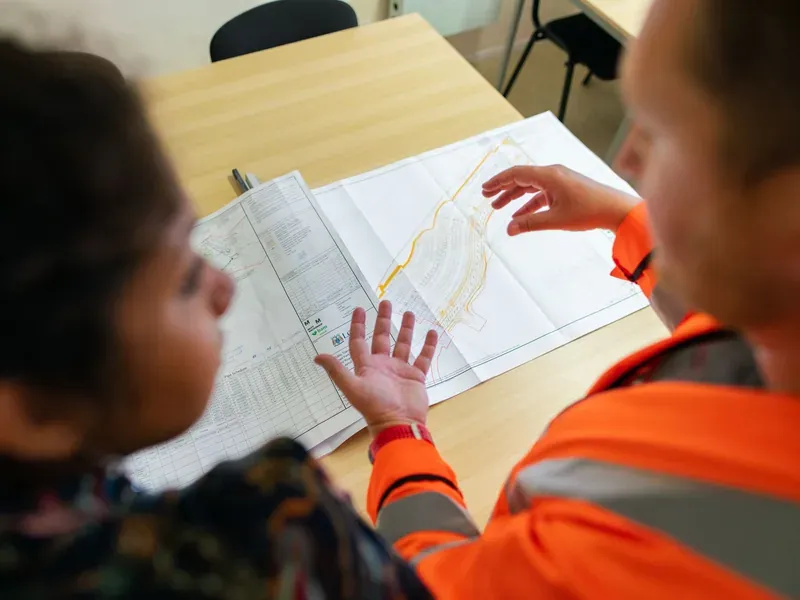
Choose between a factory-direct and distributor busbar machine purchase by deciding where application engineering, import work, installation, service and warranty responsibility should sit. Direct purchasing gives the buyer a shorter technical path to the manufacturer. A qualified distributor can provide local commercial and service infrastructure. Neither channel is automatically cheaper, faster or safer.
The comparison becomes reliable only when both offers cover the same delivered outcome. A low ex-works price and a higher local quote may represent different machines, tools, transport, labor and risk.
Compare responsibility before price
Build one matrix and require every bidder to name the responsible legal entity and operational contact. Avoid entries such as “supplier” or “included” when two companies are involved.
| Project activity | Factory-direct question | Distributor question |
|---|---|---|
| Application review | Which factory engineer approves the part family? | Does the distributor review it or transmit it unchanged? |
| Custom tooling | Who designs, manufactures and signs off the tool? | Who owns correction and return logistics? |
| FAT | Can the buyer witness at the factory? | Will the distributor attend and accept on the buyer’s behalf? |
| Export and import | Which documents and packing are included? | Is the distributor importer of record or only a sales intermediary? |
| Installation and SAT | What remote or travel scope is priced? | Which named local technicians perform the work? |
| Warranty | Who authorizes parts and labor? | Can the distributor decide a claim or must it wait for the factory? |
| Long-term support | Which files, backups and spares are delivered? | What is actually held locally for this model? |
Price each missing responsibility. The import and procurement guide provides the full sequence from supplier qualification through stable production.
Factory-direct purchasing fits technical ownership
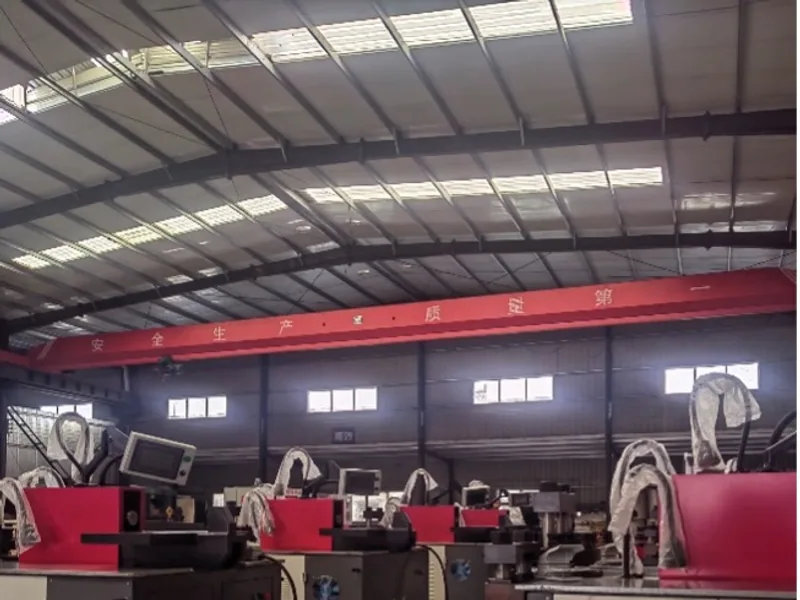
Direct purchasing is strongest when the buyer can manage an international equipment project and needs a close engineering loop. Drawings, tool questions, software behavior and sample results can move between the user’s engineers and the machine builder without an intermediary translating the requirement.
It can be a good fit when:
- the machine or tooling requires meaningful customization;
- the buyer has import, rigging and electrical-installation capability;
- its maintenance team can work with remote diagnostics and documented spares;
- a factory visit or witnessed FAT is practical;
- internal procurement can contract and pay an overseas manufacturer.
The risk is transferred work. The buyer may become responsible for coordinating freight, customs, unloading, utilities, site labor and local compliance. Direct contact does not remove those tasks.
Before relying on the factory relationship, use the factory-audit checklist to verify engineering, assembly, testing and quality records. Confirm that the entity receiving payment and signing the warranty is the same entity represented in the audit, or document the relationship.
A distributor fits local accountability only when it is real
A distributor can consolidate the commercial transaction, communicate in the buyer’s time zone, invoice in local currency and provide technicians or stock close to the site. These services can reduce project coordination and recovery time.
Verify capability at model level. Ask for the names and locations of trained technicians, test equipment, relevant spare parts and recent installations of comparable equipment. Determine whether the distributor is authorized to approve a warranty action or only forwards evidence to the manufacturer.
Local presence without technical authority can add a communication step without reducing downtime. Conversely, an experienced distributor with parts and competent field staff can carry responsibilities that the factory cannot deliver economically from another country.
Use a hybrid structure when responsibilities are clean
Many projects work best with manufacturer-led application engineering and locally delivered site service. In a hybrid arrangement, the factory may own the machine configuration, tooling, software, FAT and technical warranty. A local partner may own unloading coordination, installation labor, initial response and routine maintenance.
The handoff must be written. Define:
- who approves the site-readiness report;
- who has authority to change machine parameters;
- who records SAT results and closes punch-list items;
- who stocks each critical spare;
- when the local partner escalates to the factory;
- who pays labor, travel and freight during warranty.
If both parties can point to the other after a failure, the hybrid model has not reduced risk.
Normalize the technical offer
Channel comparison should not hide a configuration difference. Send both bidders the same drawings, material range, plant voltage, duty cycle, tooling list, software requirements and acceptance plan.
Require a model-specific bill of scope covering:
- base machine and installed options;
- dies, fixtures and gauges;
- controls, software and licenses;
- electrical and hydraulic configuration;
- sample production and FAT;
- packing, transport and insurance boundary;
- installation, SAT and training;
- initial and recommended spare parts;
- warranty parts, labor and response process.
The manufacturer comparison guide helps evaluate the technical evidence. Keep the channel decision separate: two offers may originate from the same machine builder but provide very different delivery and service responsibility.
Compare landed responsibility, not a price label
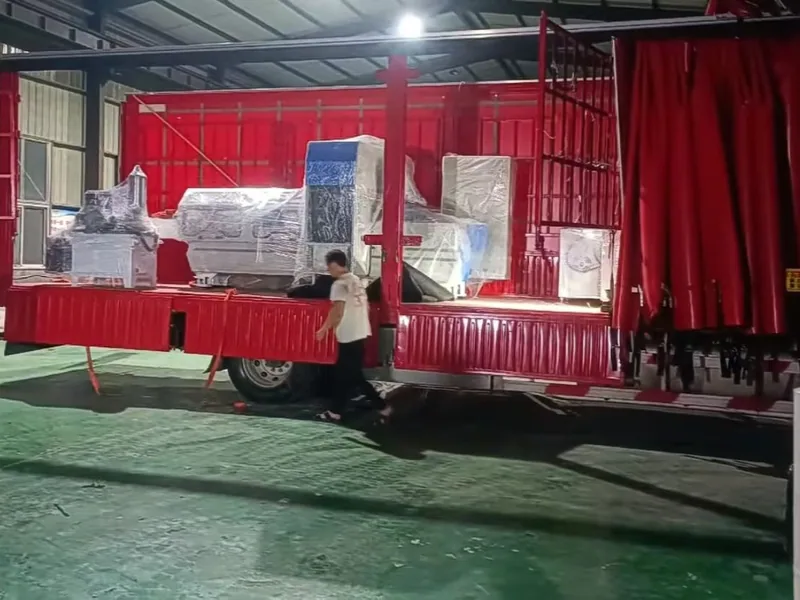
Create a simple total-delivery comparison. Add priced buyer work to each offer: transport beyond the quoted boundary, brokerage, duties and taxes where applicable, rigging, electrician time, travel, local safety work, test material, production downtime and initial spares.
Do not force uncertain values into a false precise total. Mark them as buyer exposure and assign an owner for obtaining the missing quote. The important result is visibility: procurement can see whether a lower machine price depends on more internal work or unresolved risk.
For freight terms, use the dedicated FOB, CIF and DAP guide rather than treating a three-letter Incoterm as the entire delivery plan.
Make service evidence part of the award
Ask both channels to respond to the same failure scenario. For example: the machine stops during a production batch with an axis or hydraulic alarm. Who receives the case, what evidence is required, who connects remotely, who can visit, which spare is available and who authorizes the cost?
Review service hours, escalation, remote-access approval, backups, parts freight and field-labor coverage. The warranty and service SLA guide turns those elements into measurable terms.
A distributor should not win solely because it is local; a factory should not win solely because it built the machine. Award the channel that can show a complete technical and service path for the buyer’s location and operating model.
Put the channel decision in the purchase record
Summarize the decision in one page: chosen channel, named entities, scope boundary, open risks, responsible owners and acceptance gates. Attach the responsibility matrix to the order rather than leaving it in meeting notes.
The resulting comparison is straightforward. Buy factory-direct when technical customization and direct engineering control outweigh the extra coordination the buyer must own. Use a distributor when its verified local capability carries responsibilities the project genuinely needs. Use a hybrid only when the handoff and final accountability are explicit.
Frequently Asked Questions (FAQs)
Is buying a busbar machine directly from the factory always cheaper?
No. The factory price may contain fewer channel services, while the buyer may need to add freight coordination, import work, site labor, travel, local parts and project management. Compare the same delivered responsibility rather than the invoice line alone.
When is a local busbar machine distributor worth using?
A distributor can be valuable when it has named local technicians, relevant spare stock, installation capability and authority to resolve warranty issues. Verify those resources and responsibilities for the offered model instead of assuming local presence guarantees service.
Can a buyer combine factory engineering with local service?
Yes. A hybrid structure can assign application engineering, custom tooling and FAT to the manufacturer while a qualified local partner handles site work and first-line service. The contract should state who controls each handoff and who remains accountable.
What document makes factory-direct and distributor quotes comparable?
Use a responsibility matrix covering design review, tooling, FAT, packing, freight, customs, utilities, installation, SAT, training, spares, remote support and warranty labor. Price each exclusion before comparing totals.