
Automatic vs Semi-Automatic Busbar Machines: Choose by Product Mix
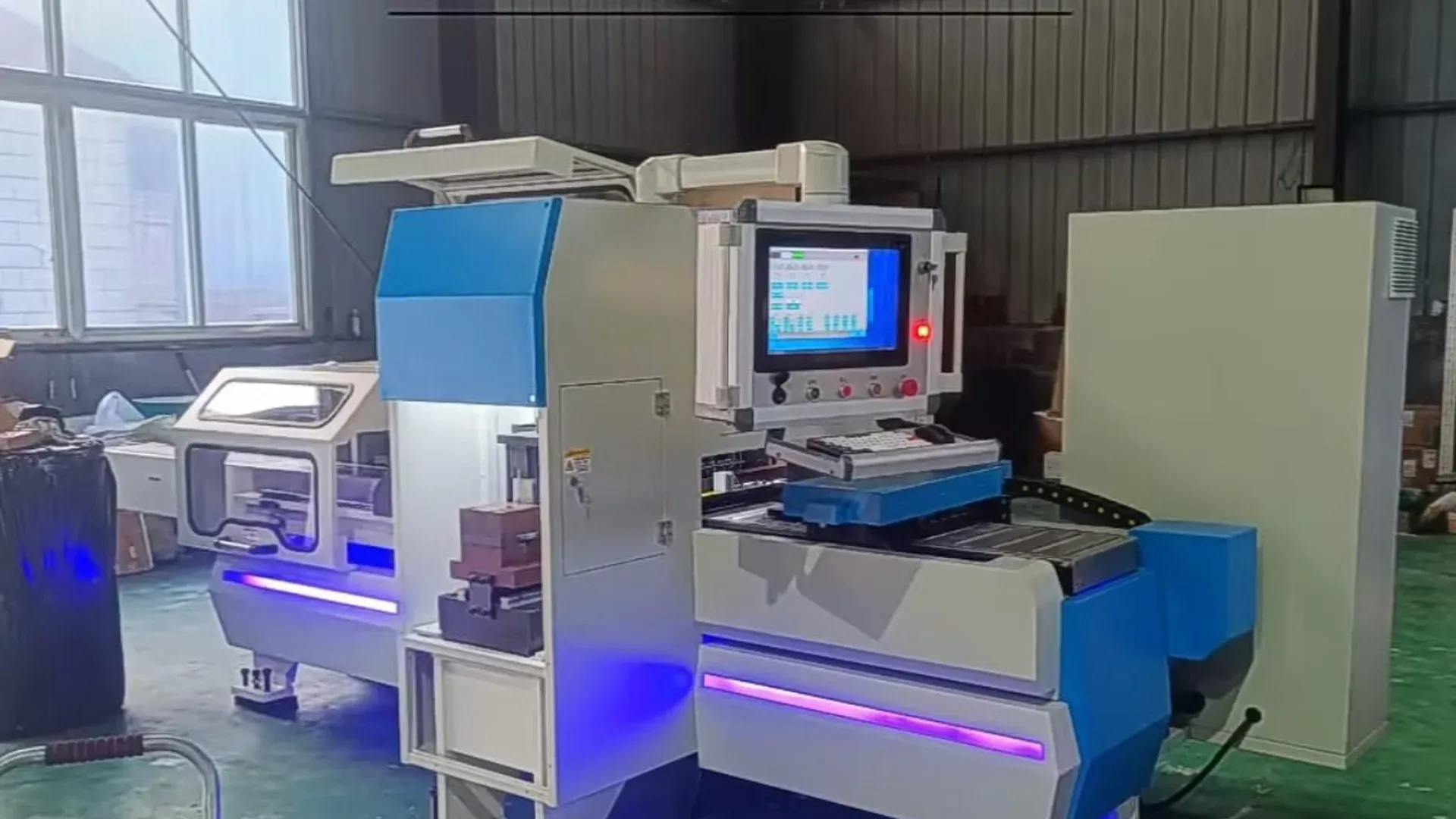
Choose an automatic or semi-automatic busbar machine by identifying where people still load, locate, program, change tools, inspect, unload and recover the process. The label on a quotation is not a reliable automation level. A machine with CNC positioning may still require manual stock loading and part removal; a powered hydraulic workstation may be called automatic even when every dimension is located by the operator.
For stable, repeated families, more automatic feeding and program control can reduce touch time and variation. For high-mix, low-volume switchgear work, changeover speed and controlled exception handling may be more valuable than continuous automatic flow.
Define automation one process step at a time
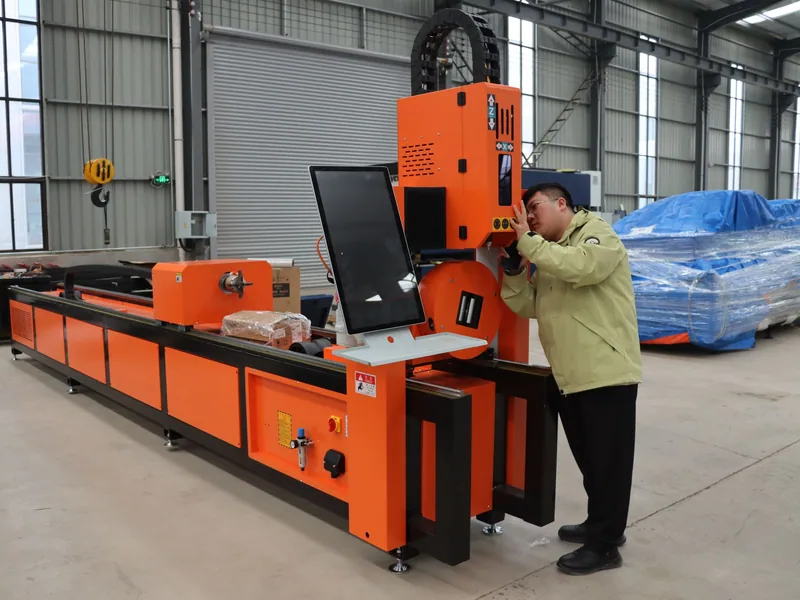
Map the route from released drawing to accepted part. For every step, mark whether it is manual, assisted, programmed or automatically linked to the previous step.
| Process step | Semi-automatic example | More automatic example |
|---|---|---|
| Load stock | Operator lifts and aligns each bar | Powered feed accepts stock from a defined infeed position |
| Position feature | Manual stop or visual mark | Programmed axis positions the bar |
| Select tool | Operator installs or indexes tool | Program selects an installed turret station |
| Execute operation | Powered hydraulic stroke | Programmed sequence triggers and monitors the operation |
| Handle finished part | Operator removes and sorts | Discharge and identification are integrated |
| Record production | Paper or manual entry | Job, count, state and result are exported with identifiers |
This description makes two quotations comparable. It also exposes partial automation that may be entirely suitable. There is nothing inherently wrong with an operator loading stock if the batch size and handling plan make automatic loading unnecessary.
Let product mix determine the value of automation
Create three measures for each part family: batch quantity, setup frequency and exception rate. Exception work includes drawing changes, replacement parts, unusual dies, rework and material that requires a different handling method.
More automatic equipment tends to create value when:
- the same material and tooling remain in use for long runs;
- part programs repeat often and are revision-controlled;
- the downstream process can consume output at a similar rate;
- automatic loading and unloading fit the stock and finished geometry;
- downtime support is strong enough for the more integrated system.
Flexible or semi-automatic equipment tends to remain competitive when:
- batches are small and drawings change often;
- one operator must make fast decisions about special parts;
- stock and finished geometries vary beyond a standard feeder;
- floor space is constrained;
- the shop needs punching, shearing and bending available without a dedicated high-volume line.
The machine-selection guide helps convert the part-family data into process requirements before the automation discussion begins.
Compare three practical production arrangements
Multi-function workstation
A 3-in-1 machine can place punching, shearing and bending in one compact work area. The DH303-8P workstation has three independent hydraulic circuits and separate stations, allowing different operations to be available at the same time. Its touchscreen supports programmed calculations, but operators still manage stock, tools, setup and part transfer.
This arrangement fits a shop that values process availability and mixed work. It is not a continuous automatic line, and its capacity must include the people and inspection steps around it.
Programmed punching and shearing with separate bending
A dedicated CNC punch-and-shear machine can automate feature positioning and repeated operation sequences while a separate bender handles formed parts. This architecture supports parallel flow and lets each machine carry specialized tools.
It also creates a handoff. Production control must keep the correct blank, program revision and inspection status together as parts move between machines.
Integrated high-automation cell
A more integrated cell can add automatic loading, tool selection, discharge, marking or production-data transfer. It is justified only when the part family, duty cycle and service model support the extra mechanisms and dependencies. A flexible manual bypass or recovery route may be necessary for exceptions.
Time changeover and first-piece approval
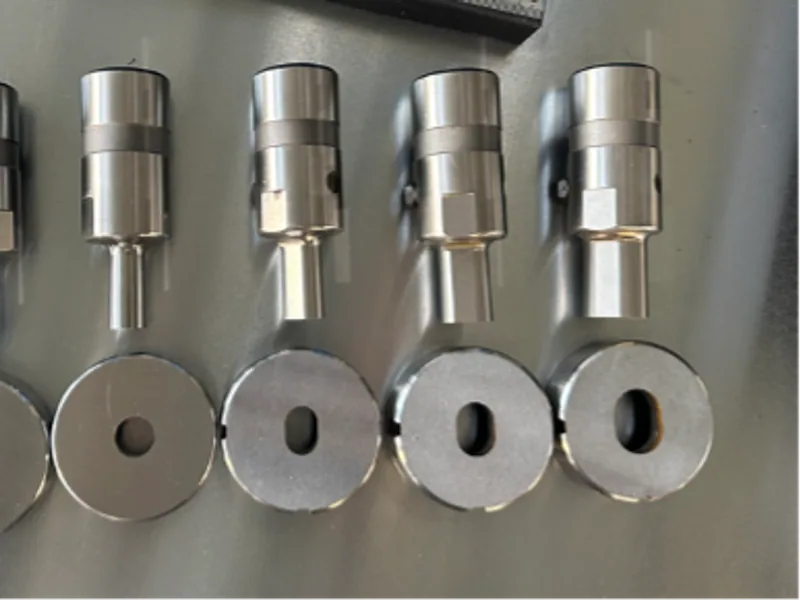
Automatic motion during a repeat run can hide a slow start. During a supplier trial, time from the end of one accepted batch to the first accepted part of the next batch. Include drawing retrieval, tool change, material confirmation, program release and measurement.
Use at least one change that affects both punching and bending. Ask the operator to recover after an intentional stop and confirm that part count, position and program state remain correct. If the machine must discard an interrupted part, include that material and time in the observation.
The capacity and OEE article explains how to use complete observations without assuming every scheduled minute is productive. A short, transparent scenario comparison is more useful than a complicated calculator built from supplier cycle claims.
Keep inspection in the automated route
Automation does not remove first-piece approval or process verification. It changes where the checks occur and how results are associated with the job.
Define which features are inspected at setup, during production and at final release. If a measuring result triggers an offset or program change, specify who approves it and how the change is recorded. Do not allow an automatic correction to overwrite the evidence needed to diagnose tool wear or material variation.
For high-mix work, inspection may be the real bottleneck. A faster line that delivers more parts to one manual measurement station can increase work-in-process without increasing accepted output.
Evaluate downtime and recovery
An integrated system can reduce routine touch time but increase the effect of one failed sensor, feeder or network component. Ask for a failure-mode discussion tied to the offered configuration.
For each critical element, document:
- the symptom and diagnostic information available to the operator;
- whether safe degraded or manual operation is possible;
- the spare, backup or service action required;
- expected permissions for remote support;
- how program and parameter state are restored.
Training should include recovery, not only normal production. The operator-training and commissioning plan provides a teach-back structure for this handover.
Replace the marketing label with acceptance verbs
In the RFQ, do not write only “fully automatic.” State the functions the supplier must demonstrate: load, identify, position, select, punch, shear, transfer, bend, measure, record and recover.
Run a normal repeated batch, a peak part and an exception batch. Record every operator intervention and any function that was simulated rather than delivered. The right automation level is the one that produces accepted parts across those scenarios with a support burden the factory can manage.
Frequently Asked Questions (FAQs)
What is the difference between an automatic and semi-automatic busbar machine?
The useful difference is which steps still need an operator. A semi-automatic machine may power the operation but retain manual loading, positioning or tool selection; a more automatic line may control feeding, positioning, tool choice and part discharge. The quotation should list each function rather than rely on the label.
Is a fully automatic busbar machine always faster?
No. It can be faster for stable repeat work, but drawing changes, tool changes, short batches, inspection holds and exception parts can dominate a high-mix factory. Compare complete routed batches, including setup and recovery.
Which busbar machine suits high-mix, low-volume work?
A flexible programmed or multi-function workstation often suits high-mix work when changeover and operator access matter more than continuous feeding. Verify the hardest setup and first-piece process before purchase.
How should busbar automation be accepted at FAT?
Run normal, peak and exception batches. Time loading, programming, tool changes, first-piece approval, repeated production, alarm recovery and unloading, then record every manual intervention and any feature that was bypassed.
DH303-8P 3-in-1 CNC Busbar Processing Machine
Discover details, parameters, standard dies packages, and factory quotes.