
NFPA 79 and UL 508A for Imported CNC Busbar Machines
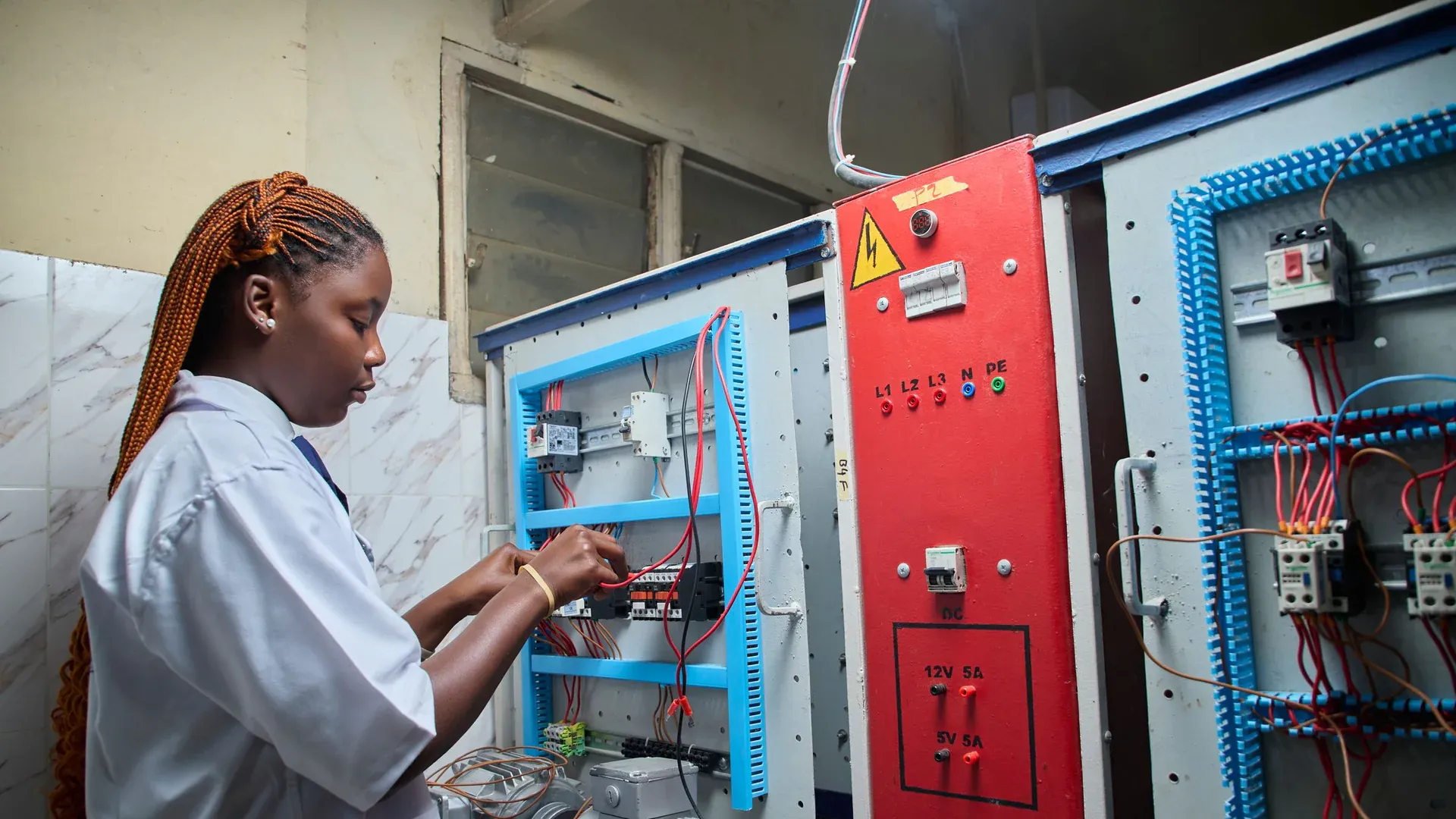
US electrical acceptance of an imported CNC busbar machine cannot be established by finding UL marks on a few cabinet components. Buyers need to separate four related scopes: the machine electrical system, the industrial control panel, the building installation and the authority’s acceptance path.
That review should begin before the order. A voltage change made after the machine is built can affect components, protection, short-circuit ratings, drawings, markings and the evaluation strategy.
Start With the Intended Installation and AHJ
Identify the destination, facility supply, machine use, material handling, upstream and downstream interfaces, and the local authority having jurisdiction (AHJ). Ask the owner, electrical engineer, insurer and local enforcement stakeholders what evidence they require.
Confirm:
- applicable codes and adopted editions;
- whether listed or labeled equipment is required by project specification;
- whether a field evaluation is anticipated;
- the acceptable evaluation organization or NRTL route;
- required permits and inspection stages;
- documentation language and retention requirements;
- responsibility for corrections discovered at site.
Do not ask the overseas supplier to guess the AHJ’s decision. Give it a written compliance specification developed with qualified US professionals.
The import CNC busbar machine procurement guide places this technical review within the wider transaction. Customs clearance and electrical acceptance are different gates.
Understand the NFPA 79 Machine Scope
NFPA describes NFPA 79 as the Electrical Standard for Industrial Machinery. Its official 2024 overview explains that the standard applies to electrical/electronic equipment, apparatus or systems of industrial machines supplied from a nominal voltage of 1,000 V or less. The NFPA 79 publication page should be used to confirm the current edition and official text available to the project.
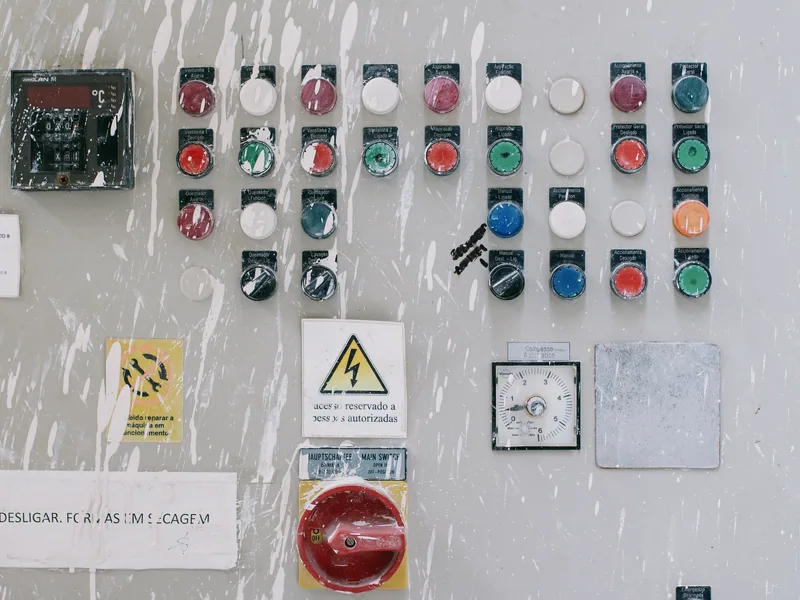
The machine review can involve the supply connection, disconnecting means, protection, control circuits, operator interfaces, conductors, identification, technical documentation and testing, among other topics. This article does not reproduce the standard or provide a compliance checklist. The project team must use the licensed official text and the edition adopted or specified for the installation.
“NFPA certified” is not a shortcut description for a machine. NFPA publishes standards; the required conformity or acceptance evidence must be defined through the project pathway.
Understand the UL 508A Panel Scope
UL 508A is associated with industrial control panels. A panel evaluation addresses the panel construction and ratings within its defined scope. It does not automatically evaluate every hazard or function of the connected machinery.
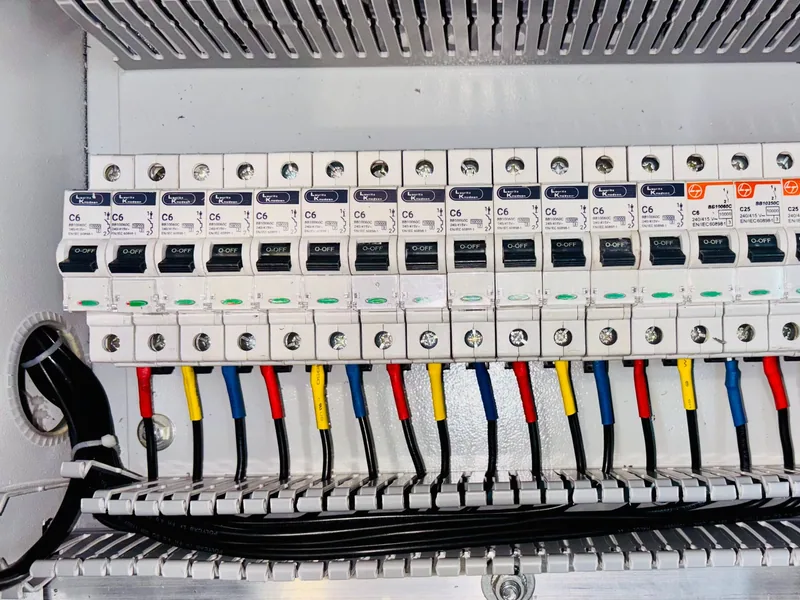
UL states this distinction directly in its explanation of whether industrial control panel certification covers the equipment it controls: certification of the panel does not cover the connected loads or controlled equipment unless specifically included in the product certification scope.
The UL Industrial Control Panel Shop Program describes a route through which qualified panel shops can apply UL marks to panels they build under the program. Buyers should verify the exact mark, panel identity, ratings and certification record—not rely on a supplier statement that the cabinet “uses UL parts.”
UL’s factory automation and industrial machinery resource also presents UL 508A, machinery standards and NFPA 79 as related but distinct considerations.
Why Listed Components Do Not Add Up to a Listed Machine
Component certification is important, but the assembly introduces conductor sizing, overcurrent protection, spacing, enclosure, environmental, short-circuit, control, marking and application questions. A certified power supply used outside its ratings does not make the system acceptable.
Likewise, an industrial control panel label has a defined boundary. The machine may include motors, solenoids, hydraulic power, field wiring, operator stations, sensors, guards and other equipment outside that boundary. Building supply and final connection belong to the installation scope.
Ask the supplier to draw the boundaries on the electrical documents:
- facility supply and site disconnect or feeder;
- machine supply termination and main disconnect;
- evaluated industrial control panel, if any;
- machine field devices and interconnection wiring;
- separately supplied auxiliaries or upstream/downstream systems.
This makes gaps visible before the evaluator sees the machine.
Put US Electrical Data Into the RFQ
Provide the actual nominal voltage, frequency, phase and available fault-current information developed by the site electrical team. Request the machine rated voltage, phases, frequency, full-load data, protective requirements, short-circuit current rating (SCCR) information, disconnect details, enclosure rating and environmental limits.
SCCR should not be invented by choosing the lowest visible component mark or promised without the required assessment. Require the supplier and qualified panel/evaluation professionals to state the rating basis and machine marking needed for the intended installation.
If the standard machine supply differs from the site, use the voltage modification guide to coordinate transformers, control power, motors, drives and documentation. The final design should be approved before component procurement.
For example, the DH303-8P multi-function machine lists 380 V with customization available. That product data is not a US listing or compliance claim. The exact ordered electrical configuration requires project review.
Require As-Built Evidence
The purchase specification should identify the required language, format, approval stage and final revision for:
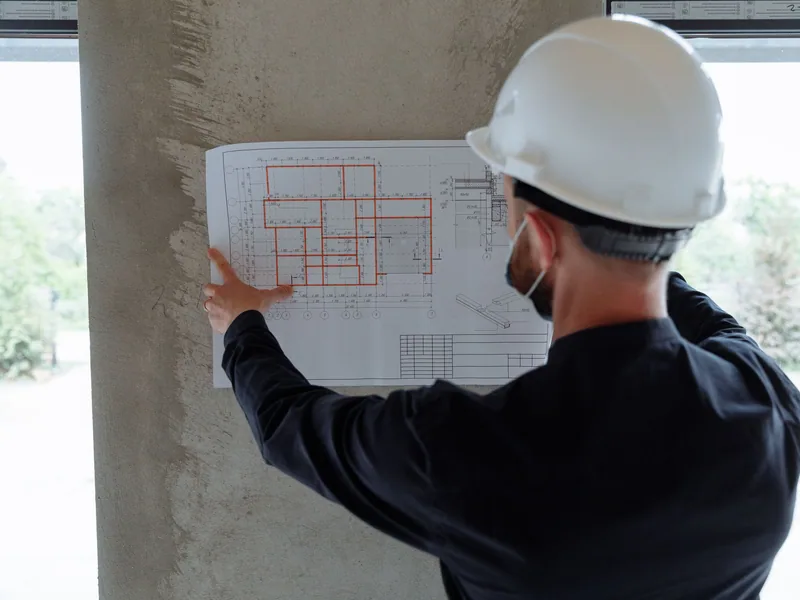
- electrical schematics and connection diagram;
- bill of materials with manufacturer and part number;
- panel and machine nameplate data;
- conductor and terminal identification;
- protective-device and SCCR calculation evidence as applicable;
- control-system and drive documentation;
- inspection and test records;
- component certificates or certification references;
- installation, operation and maintenance information;
- software and parameter backups;
- records of substitutions after design review.
An evaluator cannot efficiently review a cabinet whose drawing differs from the installed parts. Make final payment and acceptance conditional on the agreed as-built evidence, not merely the presence of a binder.
Decide the Evaluation Path Before Manufacture
Possible project paths can include equipment built under an applicable certification program, a specifically evaluated panel combined with a broader machine review, or field evaluation of the installed equipment. The appropriate path depends on the exact product, jurisdiction, owner requirements and evaluator.
Engage the AHJ or accepted evaluation body early enough to review drawings and answer scope questions. Field correction after shipment can require unavailable components, extensive rewiring or new enclosures. Ask who pays for redesign, replacement, repeat evaluation and schedule impact when the supplied configuration does not meet the contracted path.
Use a pre-order review with four sign-offs: site electrical basis, machine/panel scope, required evidence and evaluation route. Then carry those requirements into the CNC busbar machine RFQ and technical annex.
No DH CNC model should be described as UL Listed, UL 508A certified or “NFPA certified” without exact, current documentation for that product and configuration. The reliable procurement position is narrower and stronger: define the required US acceptance path, buy the evidence and configuration needed for it, and have the responsible authorities verify the installed result.
Frequently Asked Questions (FAQs)
Does a UL 508A control panel mean the complete machine is UL Listed?
No. UL explains that industrial control panel certification covers the panel within its defined scope, not automatically the machinery it controls. The complete machine and installation may need additional evaluation.
What does NFPA 79 cover?
NFPA 79 addresses electrical and electronic equipment, apparatus and systems of industrial machinery within its scope. Applicability and the adopted edition should be confirmed for the intended installation.
Who decides whether a field evaluation is needed for an imported machine?
The authority having jurisdiction and project stakeholders determine the acceptance path, often with a qualified NRTL, field-evaluation body, engineer, insurer or owner requirements. Confirm the route before manufacture.
Are DH CNC busbar machines UL Listed or NFPA certified?
This article makes no such claim. Certification, listing and project compliance must be verified for the exact ordered model, serial configuration, markings, documents and intended US installation.
DH303-8P 3-in-1 CNC Busbar Processing Machine
Discover details, parameters, standard dies packages, and factory quotes.