
CNC Busbar Machine Operator Training: A Commissioning Handover Plan
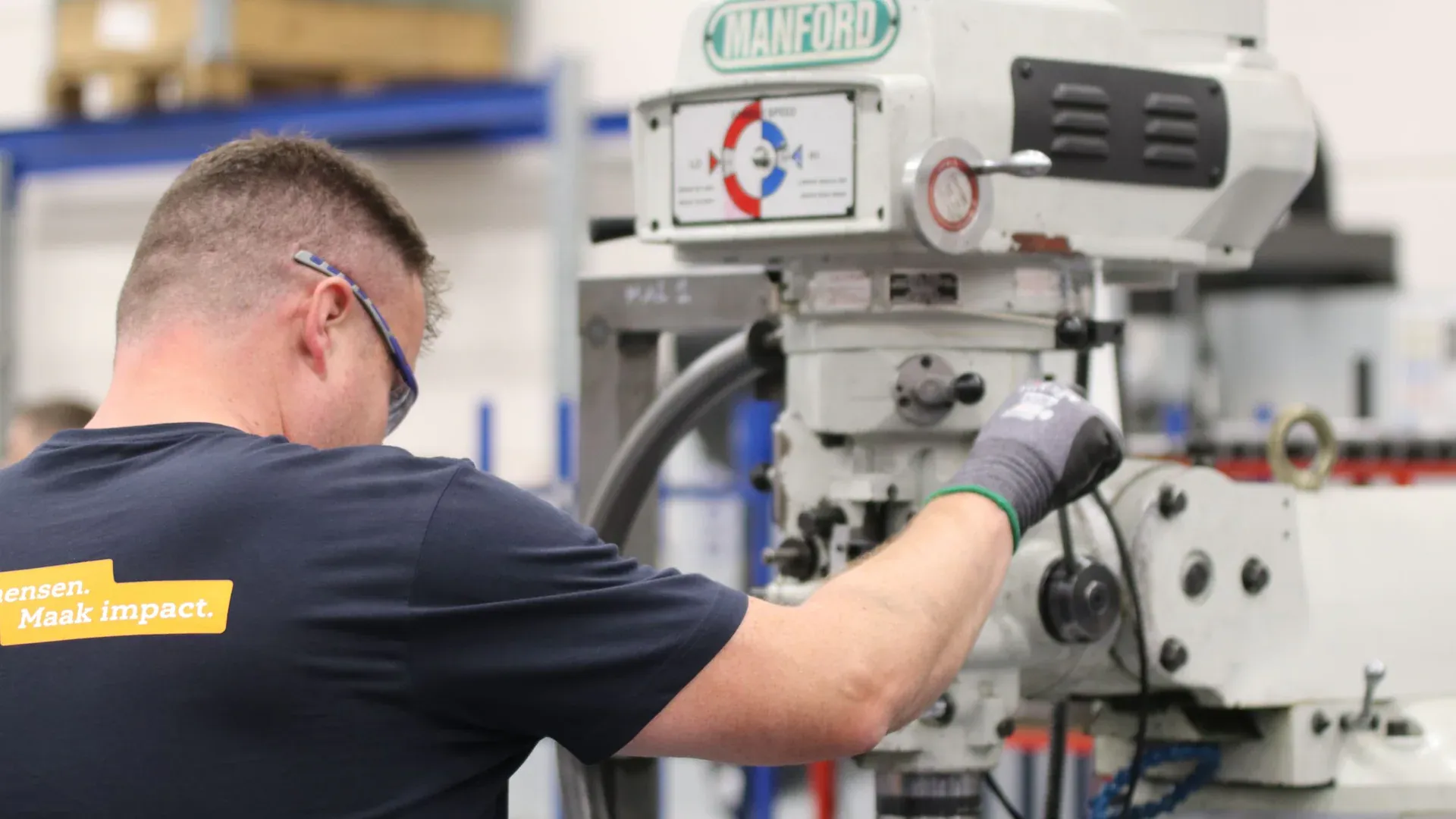
Watching a supplier make one sample is not operator qualification. At handover, the buyer needs evidence that named people can safely prepare, run, inspect and close representative work within their assigned authority—and know when to stop and escalate.
A good CNC machine training program is built around roles and observable tasks. It separates machine acceptance from workforce readiness: the asset can pass SAT while the plant is not yet ready for unsupervised production.
Define Roles and Authorization Boundaries
Create a training matrix before the commissioning visit. A practical structure includes:
| Role | Required capability | Boundary to make explicit |
|---|---|---|
| operator | pre-use checks, job selection, loading, normal cycle, inspection and shutdown | no unauthorized parameter, guard or energy-control work |
| setup/programmer | part program, tool selection, compensation, setup and first-piece release | changes follow revision and approval control |
| maintenance | diagnosis, inspection, planned service and approved component work | electrical/hydraulic tasks require applicable qualification |
| supervisor | authorization, schedule, deviations, competence records and escalation | production pressure cannot override controls |
| quality | drawing interpretation, method, gauge control and nonconformance | acceptance source remains the approved document |
One person can hold several roles, but each authorization should still be recorded. Avoid “all users trained” as a completion statement; identify the people, tasks, assessment result, date, trainer and restrictions.
For a multi-function machine such as the DH303-8P busbar processing workstation, the matrix should distinguish punching, shearing and bending tasks. Competence on one station does not automatically establish competence on all three.
Train Safety Before Production Technique
Begin with the machine’s intended use, prohibited use, danger zones, guards, emergency controls, normal stopping, material-handling hazards and site reporting process. Review the approved risk assessment and site procedures in the language and form workers understand.

Energy-control training depends on the employee’s role. OSHA’s lockout/tagout eTool and 29 CFR 1910.147 distinguish training needs for authorized, affected and other employees in US workplaces. The site’s qualified safety leadership must translate those requirements into machine-specific procedures and authorization.
Do not use commissioning to practice a hazardous fault or bypass a safeguard. Demonstrate normal alarms and approved recovery methods; use simulations, isolated components or documented walkthroughs when a live exercise would introduce unnecessary risk.
Build the Curriculum Around a Complete Job
Select representative parts from the buyer’s work, then teach the controlled sequence:
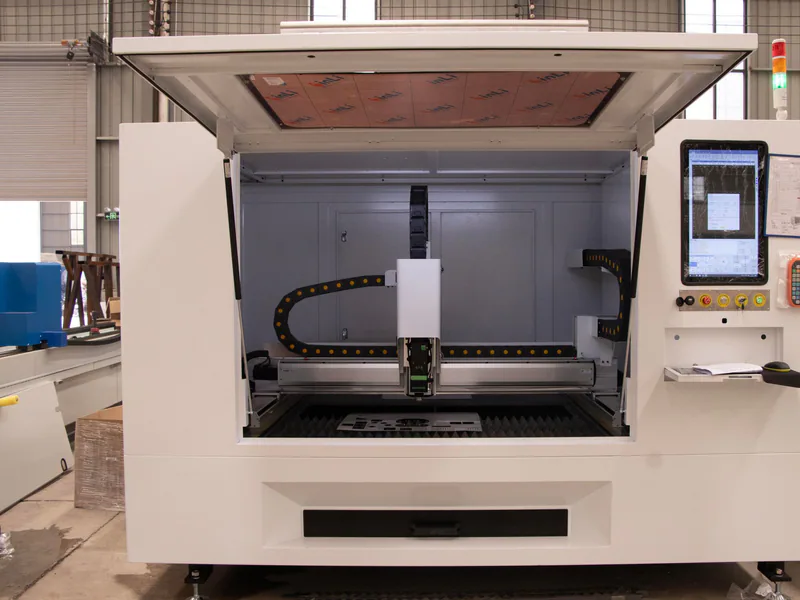
- confirm drawing and program revision;
- verify material grade, size and surface condition;
- complete pre-use and area checks;
- identify and inspect required tools;
- load or create the authorized program;
- perform setup and establish the correct datum;
- produce and inspect the first piece;
- run the approved batch with in-process checks;
- segregate nonconforming material and remnants;
- close the job, preserve data and leave the machine in its required state.
This structure prevents fragmented instruction. An operator who knows which start button to press but cannot verify revision, tool identity or first-piece status is not ready to control production.
Connect the job to the wider switchgear busbar manufacturing reference so learners understand why hole position, bend sequence, contact surfaces and traceability affect downstream assembly.
Use Teach-Back Instead of Attendance Alone
After instruction, the trainee should explain and demonstrate the task without being led through every step. The assessor observes against a prepared checklist and asks questions that reveal decisions, such as:
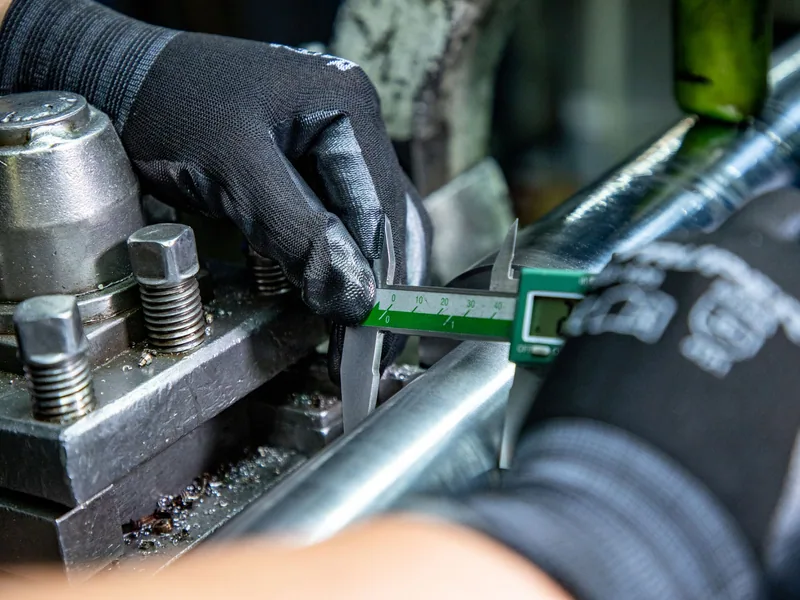
- How do you know this is the current drawing and program?
- Which tool and material limits apply to this job?
- What requires a new first-piece approval?
- Which alarm can you recover from, and which requires maintenance?
- What do you do with a suspect part or changed parameter?
- Where is the normal stop, emergency stop and site energy-control procedure?
Assessment should use routine work and at least one controlled variation, such as a planned tool change or a detected wrong-revision document. Do not create a hazardous condition to test judgment.
Record competent, competent with restriction, or not yet competent, with retraining and reassessment actions. A signature proving attendance is useful administration but not evidence of task performance.
Include Programming, Tooling and First-Piece Control
Programmers and setup personnel need to understand coordinate conventions, datum selection, feature sequence, tool mapping, bend compensation, revision control, backups and the route for approving changes. Use buyer drawings rather than only supplier demo shapes.
Quality training should define the characteristic, instrument, datum, frequency and reaction plan. Teach the difference between adjusting within an authorized process and changing the accepted setup without approval.
Retain an accepted reference part or measurement record from commissioning. It helps later diagnosis, but it does not replace current drawing control or gauge verification.
If production data will be connected to other systems, add the relevant responsibilities from the busbar machine MES and traceability guide. Operators should know which job, material and result identifiers must be captured and what to do during a system outage.
Practice Normal Alarms and Controlled Recovery
Build an alarm-response table that identifies:
| Alarm class | Operator action | Escalation |
|---|---|---|
| information or planned prompt | follow approved screen instruction | supervisor if unclear |
| recoverable process condition | place machine in defined state, correct permitted cause, verify part | setup or quality when result is uncertain |
| repeated or unexplained fault | stop and preserve evidence | maintenance or supplier support |
| safety-device or energy-related fault | secure area; do not bypass | authorized safety/maintenance personnel |
Train people to capture alarm code, screen, program, tool, material and preceding event. Random resets erase evidence and can turn a repeatable problem into intermittent downtime.
Maintenance training should include approved inspection, lubrication or fluid controls, backup recovery, spare identification and escalation. It must not imply that brief supplier training grants electrical, hydraulic or safety qualification.
Separate Four Handover Decisions
Do not use one signature for everything. Record separately:
- machine acceptance: the contracted equipment passed the agreed test;
- training delivery: the supplier completed the defined modules and materials;
- individual competence: the employer assessed named personnel for tasks;
- production release: site leadership authorized routine work under controlled conditions.
The FAT and SAT acceptance protocol governs equipment evidence. Training closeout should list attendance, assessment, manuals, videos or job aids, languages, open questions and the train-the-trainer plan. Publicly filed capital-equipment terms show how training and documentation can be treated as defined delivery obligations rather than informal extras.
Control the First 30 Days of Ramp-Up
Plan supported shifts, daily review and reduced-risk product families first. Track first-piece failures, alarms, setup time, unplanned intervention, tool damage, scrap and questions that required supplier help. Review the results by operator and job without using the data to hide system or documentation problems.
At the end of the period:
- reassess restricted tasks;
- update job aids and alarm responses;
- verify program and parameter backups;
- revise spare and tooling needs;
- close supplier training questions;
- confirm the independent internal trainer;
- approve expansion to harder part families.
The outcome is not that every learner can repair every fault. It is that each person can perform the assigned work consistently, preserve traceability and stop before a situation exceeds their authority.
Frequently Asked Questions (FAQs)
What should CNC busbar machine operator training include?
It should cover role-specific safety, approved operating limits, drawings and programs, material and tooling, setup, first-piece inspection, normal production, alarms, permitted recovery, housekeeping and escalation.
How can machine-training effectiveness be verified?
Use teach-back and observed tasks on representative parts. The trainee should prepare, run, inspect and close a job using controlled documents while the assessor records objective criteria and any restrictions.
Is commissioning training enough to qualify an operator?
Not by itself. Supplier training transfers machine knowledge. The employer remains responsible for site procedures, hazard controls, authorization, supervision and production qualification under its own management system.
Should operators be trained to troubleshoot the control system?
Only within a defined role boundary. Operators can be trained for normal alarms and permitted recovery; electrical, hydraulic, software and safeguarded-zone work should be restricted to qualified and authorized personnel.
DH303-8P 3-in-1 CNC Busbar Processing Machine
Discover details, parameters, standard dies packages, and factory quotes.