
Used vs New CNC Busbar Machines: What Buyers Must Inspect
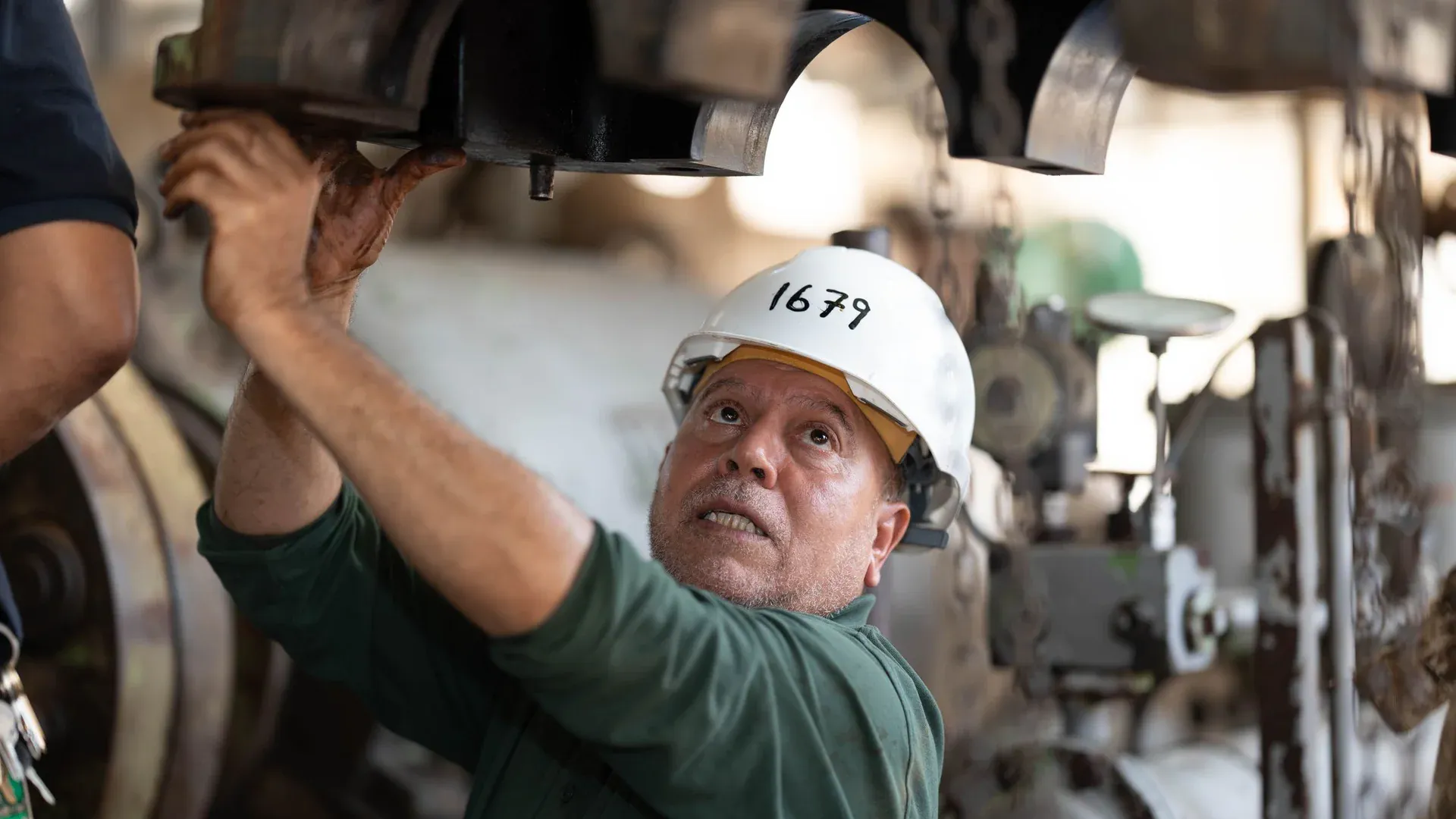
A low asking price is only the opening balance on a used CNC busbar machine. The buyer may also inherit missing tools, undocumented parameters, obsolete controls, hydraulic leakage, transport risk and a long wait for one proprietary component. The correct comparison is a supportable production asset versus a supportable production asset—not an auction price versus a new-machine invoice.
Used equipment can be a rational choice for a defined part family or backup role. It becomes dangerous when the machine’s identity, condition and acceptance evidence are replaced by a video of it cycling without material.
Establish Identity and Ownership First
Request clear photographs of the manufacturer plate, serial number, model, year, electrical information and control hardware. Match those details to manuals, maintenance records and the seller’s title or authority to sell. Record the current location and whether the machine remains installed and available for a witnessed run.
Ask for:
- original order specification and option list;
- operating hours or cycle count, with the method used to obtain it;
- maintenance and repair history;
- accident, overload, relocation and long-storage history;
- current tool inventory with identification;
- manuals, drawings, parameter files and software licenses;
- known faults, bypasses and unavailable functions;
- manufacturer or integrator support status.
“Refurbished” requires a written definition. The seller should list the inspection performed, components repaired or replaced, geometric or process tests, safety work, documentation supplied and warranty offered. A repaint is not a refurbishment program.
Use the CNC busbar machine selection guide to confirm that the underlying configuration still matches the required process before spending money on condition inspection.
Inspect the Structure, Hydraulics and Motion System
Look for deformation, repaired cracks, abnormal welds, corrosion, loose fasteners and impact damage around the frame, work surfaces and guards. Inspect guides, slides, backgauges, clamps and locating elements for play or uneven wear. A machine can produce one acceptable hand-adjusted sample while still being unstable across a batch.
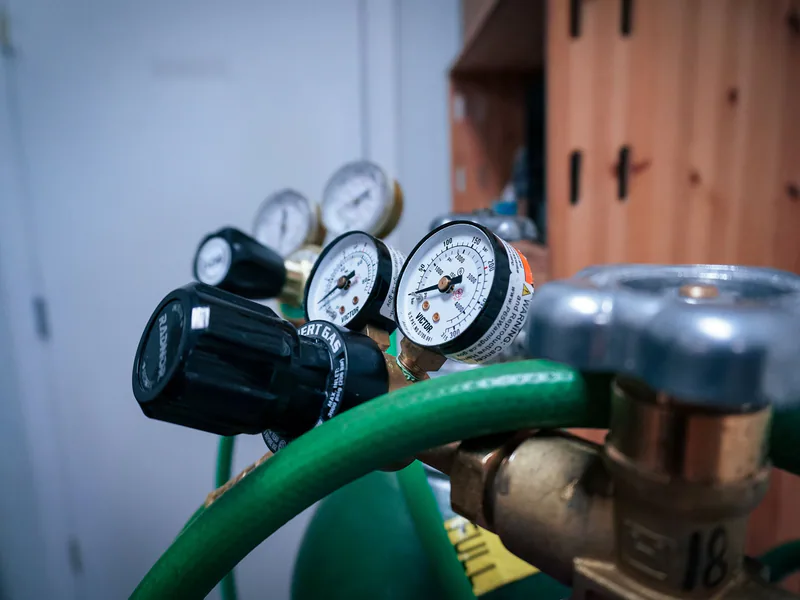
For hydraulic systems, examine cylinders, rods, hoses, fittings, manifolds, valves, reservoir condition, filtration and signs of overheating or contamination. Confirm that pressure indications and alarms behave normally under the approved procedure. Never place a person in a danger zone or loosen a pressurized connection during an inspection.
Stored hydraulic, pneumatic, electrical and mechanical energy must be considered during dismantling, repair and installation. In the United States, OSHA 29 CFR 1910.147 addresses control of hazardous energy during servicing and maintenance, including new-machine installation and contractor coordination. The buyer still needs a machine- and site-specific energy-control procedure led by qualified personnel.
Run Buyer-Selected Copper Parts
Bring or ship known conductor material and controlled drawings. The sample pack should cover routine production and the demanding features that matter to the purchase:
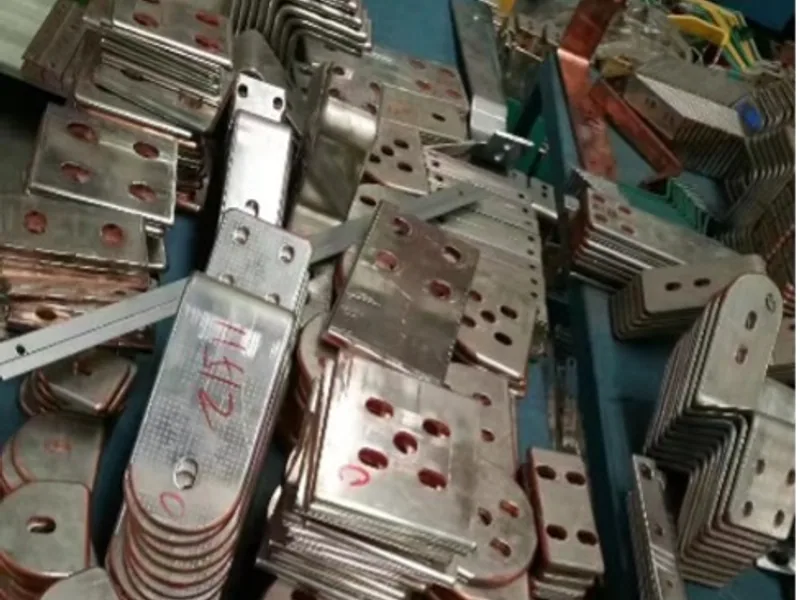
- repeated round holes or slots with pitch requirements;
- a cut-length and edge-quality sample;
- the thickest or widest required material within the proposed scope;
- flat, edge, offset or U-bends if those functions are included;
- program recall and a normal tool change;
- a production-like sequence rather than isolated strokes.
Record material, tool, program, operator, environmental condition and run order. Measure raw results rather than accepting a seller’s “within tolerance” summary.
The busbar machine accuracy and repeatability test guide explains how to separate setup accuracy from repeated performance. Use the buyer’s drawing and approved specification for limits; do not invent an acceptance tolerance during the visit.
Evaluate Each Process by Its Failure Signature
Punching
Inspect feature location, pitch, hole geometry, burr, rollover, distortion and evidence of poor punch-to-die alignment. Check the actual holders and dies for chipping, scoring, unauthorized rework and inconsistent identification.
Shearing
Measure length and squareness where required, then examine rollover, burr, bow and deformation. Uneven cut condition can point to tool wear, alignment or clearance problems that a no-load cycle will not reveal.
Bending
Test angle, bend location, parallelism or terminal plane as required by the part. Repeat the same program and note warm-up drift, inconsistent gauging or excessive manual correction. Confirm that the available tool shapes provide access for the buyer’s sequence.
Use the hydraulic busbar bender maintenance guide to structure questions about fluid, filtration, leakage and recurring maintenance, while keeping the purchase inspection tied to actual condition evidence.
Audit the Controls and Recoverability
Obsolete or locked controls can outweigh the mechanical discount. Identify the PLC, HMI, CNC, drives, encoders, I/O modules and installed software versions. Ask whether replacements are available in the destination country and whether the machine uses proprietary hardware or passwords.
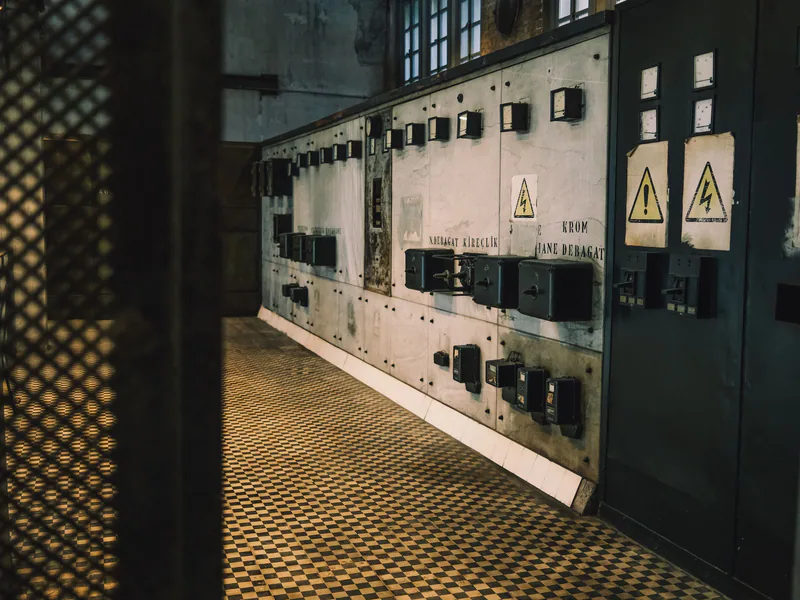
Demonstrate:
- cold start and normal reference procedure;
- creation, edit, storage and recall of a part program;
- alarm history and normal fault recovery;
- backup and restore of parameters and programs;
- operation of included ports and interfaces;
- availability and transferability of software licenses;
- operator, maintenance and administrative access credentials.
Collect backups before dismantling and verify the files, but do not rely on a backup that has never been restored. If the seller cannot provide critical parameters or authorization, price an engineered controls retrofit and the associated validation time.
Account for Safety and Destination Requirements
Existing guards and emergency devices must be inspected by qualified personnel, but previous operation does not prove suitability at the new site. Changes in layout, feeding method, control hardware or integration can alter the risk assessment.
Define who will assess the machine, correct defects, provide electrical and safety documentation, and validate the installed system. A used machine imported into a new jurisdiction may also face legal, conformity or workplace requirements distinct from those at its original location. Review the import procurement guide before committing to dismantling and shipment.
Build the Risk-Adjusted Cost
Compare the used, refurbished and new options through the same cost blocks:
| Cost or exposure | Used | Refurbished | New |
|---|---|---|---|
| independent inspection and sample test | usually essential | verify refurbisher evidence | acceptance planning still required |
| dismantling and export packing | often buyer risk | contract dependent | normally defined in quote |
| missing tooling and documents | potentially high | should be scheduled | specify before order |
| repair and controls obsolescence | uncertain until inspected | bounded only by written scope | lower initial exposure |
| installation and recommissioning | site-specific | site-specific | site-specific |
| warranty and response route | limited or none | negotiated | contractually defined |
| residual value and remaining life | evidence dependent | evidence dependent | longest starting horizon |
Add a contingency tied to identified risks rather than an arbitrary percentage. Model production loss if the asset fails and no backup process exists. NIST research on manufacturing maintenance costs reinforces why downtime and maintenance effects belong in an economic decision, not just the repair invoice.
Use Clear Decision Rules
A used machine is a credible candidate when it passes a buyer-defined part test, critical systems remain supportable, tools and documents are complete, destination requirements can be met and the risk-adjusted saving remains meaningful.
A properly refurbished machine may suit buyers who need bounded condition risk, but only when the refurbishment scope, test results, warranty and acceptance remedy are contractual.
A new machine is usually stronger when the part envelope needs custom tooling, controls integration is important, uptime exposure is high, documentation must be current or the used asset cannot be demonstrated before shipment.
Walk away when identity is uncertain, essential safety functions are bypassed, representative material cannot be run, critical backups are unavailable or the seller prevents an independent inspection. The best used-machine negotiation cannot convert missing evidence into reliable capacity.
Frequently Asked Questions (FAQs)
Is a used CNC busbar machine a good purchase?
It can be when identity, maintenance history, tooling, controls, safety condition, sample-part capability and service support are verified. A discount is not enough if recommissioning cost and downtime exposure are unknown.
What should be tested on a used busbar machine?
Test the actual material and representative punching, shearing and bending parts. Measure feature location, cut quality, bend angle, repeatability and program recovery, and inspect hydraulic, electrical, guarding and tooling condition.
What is the difference between used and refurbished machinery?
Used normally describes prior ownership, not condition. Refurbished should have a written work scope, replaced-component list, inspection results, updated documents, warranty and acceptance criteria. The label alone provides no assurance.
How should buyers compare a used machine with a new quotation?
Compare risk-adjusted delivered and commissioned cost, including inspection, dismantling, freight, duties, rigging, repairs, missing tools, controls, documentation, training, warranty and expected downtime—not purchase price alone.