
Grid Connection Delays: When Should a Busbar Shop Add Production Capacity?
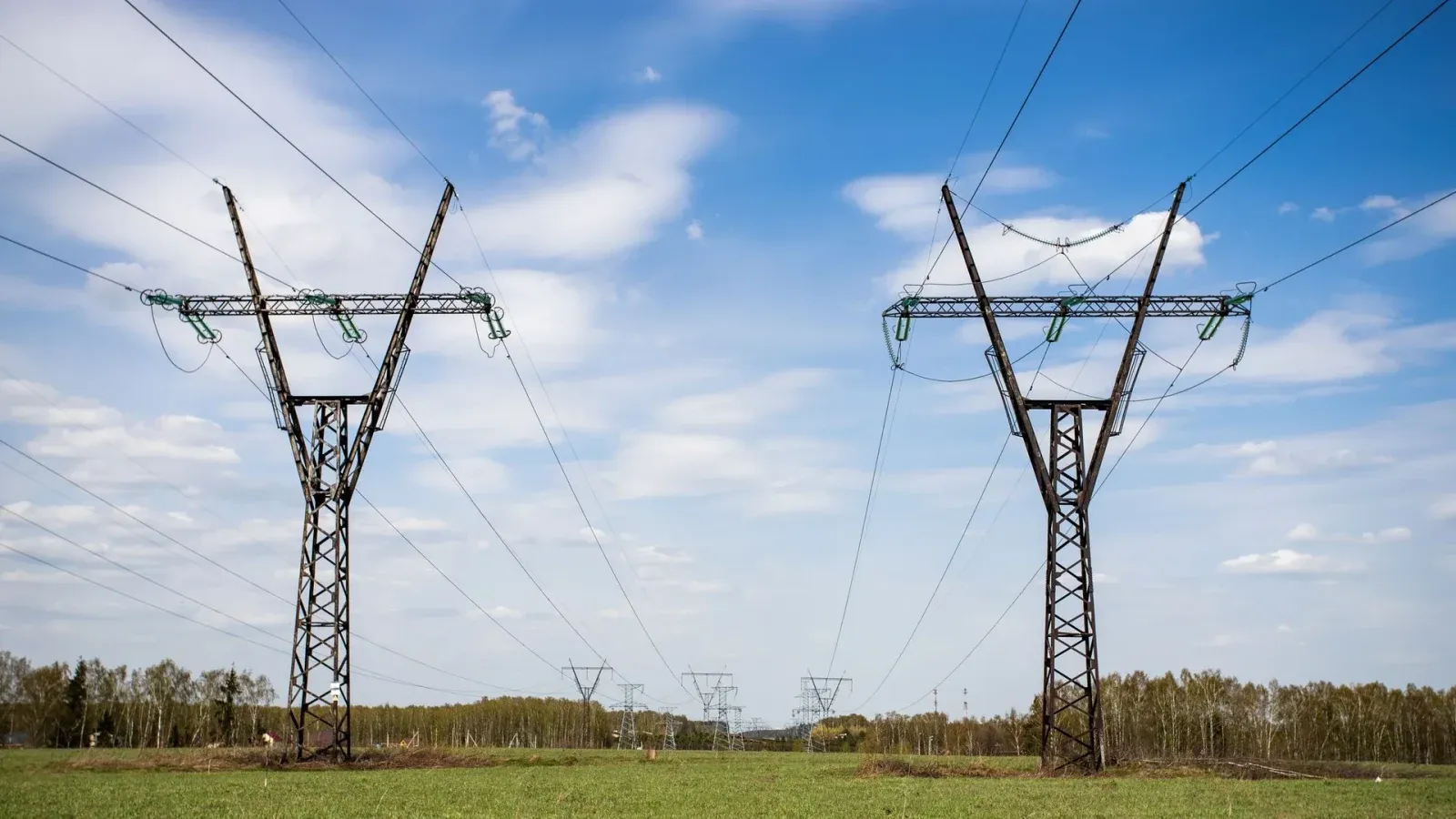
A connector drawing can hold a panel release even when the grid connection date has not moved. The customer has an approved project, a substation schedule and a purchase order, but the busbar drawing is still open. The shop sees a delayed project; the actual constraint is a missing interface approval.
The IEA’s Electricity 2026 report forecasts average global electricity-demand growth of 3.6% a year for 2026–2030. It also reports more than 2,500 GW of renewable, storage and large-load projects in connection queues worldwide. These figures describe the infrastructure opportunity and its constraints; they do not establish when a particular panel builder will release manufacturing orders.
Busbar capacity investment therefore needs two inputs: the work customers have authorized and the time required to make additional capacity usable. Keep the uncertain pipeline visible alongside them, with a defined action if it turns into released work.
Find the dependency that is holding each job
“Project delayed” is too vague for busbar production planning. The next dependency could be a connector drawing, the customer’s factory acceptance, a site-access date or permission to deliver finished panels. Each one calls for a different response in your shop.
Separate the pipeline into working categories:
| Job status | What can be planned | What still needs a decision |
|---|---|---|
| Announced opportunity | Likely process fit and expansion space | Award, scope, drawings and schedule |
| Awarded with open technical items | Samples, route development and available preparation work | Unresolved interfaces and manufacturing release |
| Released manufacturing work | Quantities, process hours and agreed deliveries | Changes to the controlled scope or delivery authorization |
A firm order may still contain open drawings. Conversely, a grid delay may leave the customer’s fabrication release unchanged. Record the specific hold, who can release it and the next decision date rather than putting every delayed project into one total.
Convert drawings into hours at the bottleneck
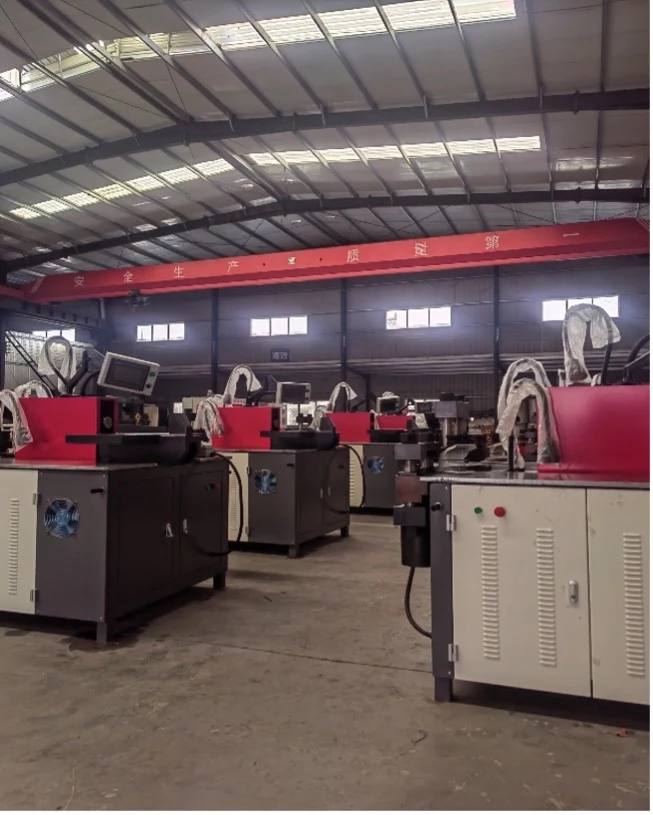
Project megawatts cannot size a busbar cell. Similar electrical capacities can involve different panel counts, conductor arrangements and purchased assemblies. Start from the part list, quantities and manufacturing route.
Estimate punching, shearing, bending, handling and inspection hours. Include setups and the people needed for first-piece release. The capacity and OEE guide covers the calculation; the investment decision also needs to distinguish released hours from conditional ones.
For a hypothetical four-week planning period, suppose the bending station has 160 available hours, already adjusted for the shop’s normal losses. Released jobs require 120 hours, while drawings awaiting approval represent another 180 hours. The confirmed workload leaves 40 hours of headroom. If all conditional work is released into the same period, the demand becomes 300 hours and the gap becomes 140 hours. If only half of the conditional work is released, demand is 210 hours and the gap is 50 hours; that is a different investment case.
Those scenarios describe different investment cases. Averaging them into a single utilization figure conceals the decision. Check whether the customer can release the 180 hours in stages, whether qualified overflow capacity is available and whether another operation becomes constrained first. Adding a bending machine will not clear a queue that is actually waiting for inspection.
Work backward from the first required delivery
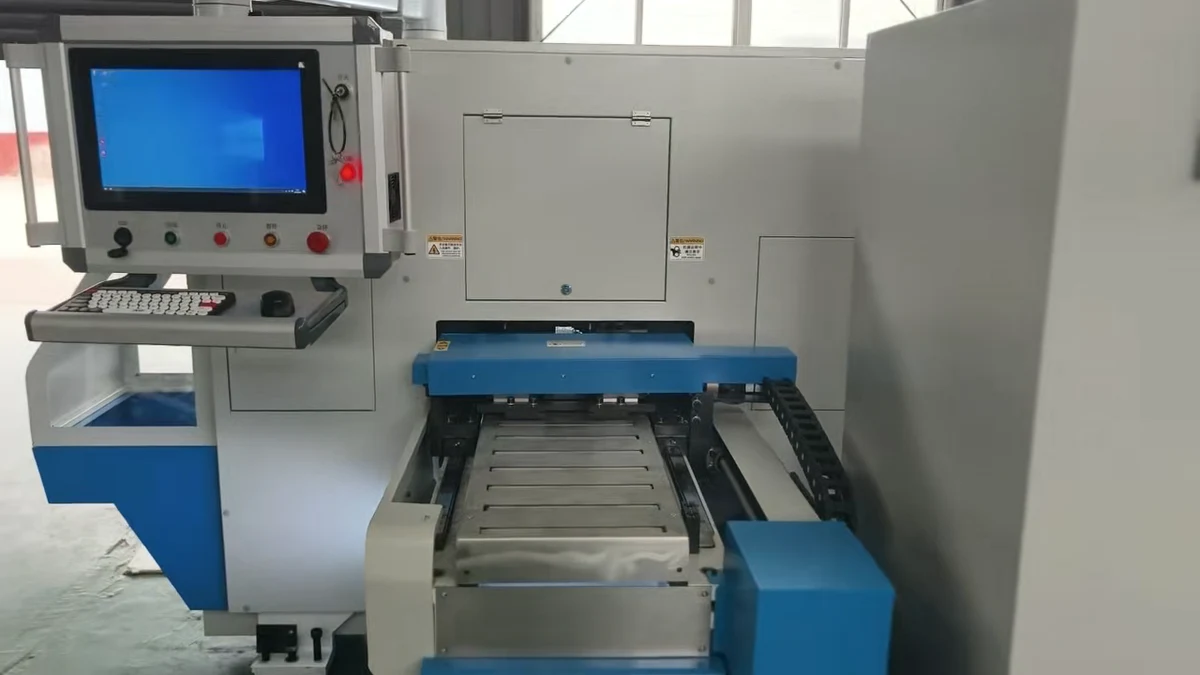
Once the constrained operation is known, compare its capacity gap with the complete equipment schedule: configuration agreement, manufacture, transport, installation, training and a stable production ramp. Use the supplier’s dated commitment for the actual configuration.
A switchgear lead time reported for a finished panel or a critical component is not the delivery time of a busbar processing machine. Keep those schedules separate and identify where they meet. The machine lead-time and commissioning guide helps structure that comparison.
Set the investment decision date before the first overloaded period by the time needed to make the new capacity usable. If customer release is expected after that date, decide in advance which commitment can be made early and which contingency covers a late release. Preparation might include floor space, utilities, training or standard tools; geometry-specific equipment and material need firmer part information.
For a DH303-8P multifunction cell, assess the released part mix and the staffing arrangement across its operations. The switchgear and panel fabrication application provides the process context, while the shop’s measured workload determines the equipment scope.
A delivery hold changes the cost of utilization
When a downstream project slips, confirm whether the customer wants production to continue, staged deliveries or a manufacturing hold. Parts already cut to one revision may be difficult to use elsewhere if the design changes.
If production continues, identify the storage location, part protection, revision status, reinspection needs and payment milestone. More machine utilization does not necessarily produce more useful output when finished parts cannot be delivered on the expected schedule.
Track these decisions by job. A hold on one project should not obscure released work from another customer, and stored inventory should remain visible when calculating space and cash requirements for expansion.
Set a measurable trigger for the next capacity stage
Combine three signals: a released workload at a named operation, demonstrated capacity under the expected part mix and a customer delivery milestone. Write the trigger into the capacity plan with a named owner and a review date. State what changes when the trigger is reached—for example, releasing additional tooling or purchasing the next station.
Review the trigger when drawings, quantities or delivery authorizations change. Electricity-demand forecasts remain useful for deciding which capabilities to develop; the release record tells the factory when those capabilities need to become scheduled production capacity. Until the released workload, the measured bottleneck and the customer milestone point the same way, keep the pipeline visible but do not buy capacity for an unconfirmed pipeline.
Frequently Asked Questions (FAQs)
Does a large grid connection queue prove demand for a new busbar machine?
No. Queue capacity describes projects seeking connection, not a fabricator's released order book. Translate actual customer scope into drawing readiness, quantities, process hours and delivery commitments before sizing equipment.
Should busbar production wait until the customer's facility is energized?
Not necessarily. The relevant trigger is the agreed manufacturing and delivery release, together with storage, payment and change responsibilities. Energization and fabrication can occur on different schedules.
What is a useful trigger for a second production stage?
Use a measurable combination of released workload, demonstrated bottleneck capacity and the next customer's delivery milestone. A headline market-growth percentage alone is not a sufficient trigger.
What if the customer wants production to continue during a delay?
Confirm whether the customer wants staged deliveries, a manufacturing hold or continued production. If production continues, agree storage, protection, revision status, reinspection and payment milestones before the parts leave the shop.
DH303-8P 3-in-1 CNC Busbar Processing Machine
Discover details, parameters, standard dies packages, and factory quotes.