
Busbar Machine Changeover: Compare High-Mix Production Before You Buy
At the start of a shift, a panel shop can lose more time between jobs than inside them. The operator finishes the last accepted part, walks to the tool store, finds the die for the next thickness, loads a different program and waits for the first piece to pass inspection. A machine with the faster cycle can still finish fewer orders by lunchtime.
Compare busbar machine changeover from the last accepted part of one job to the first accepted part of the next, then time the remaining batch. Using the same drawings, quantities and inspection requirements gives each supplier a fair test of the work your order book needs to finish.
Decide where the clock starts and stops
A “machine ready” signal does not mean the next job has been released. Record it as an intermediate timestamp; keep the transition clock running through first-piece machining, adjustment and inspection until the first part is accepted under your inspection plan.
For the first batch of a shift, start from an agreed ready-to-work condition. For later batches, start at the previous job’s last accepted part. Write down the material section, program revision, tool set and operator count. Also record what was staged before timing began. A demonstration with tools laid out beside the machine is not comparable to one that includes a walk to the tool store.
Choose transitions from your actual order book. A stored repeat job tests program retrieval and setup. A thickness change may require different tooling or settings. A left-hand/right-hand pair tests identification and orientation. Timing only the easiest transition gives procurement little information about the busiest day.
What can be ready before the current batch ends?
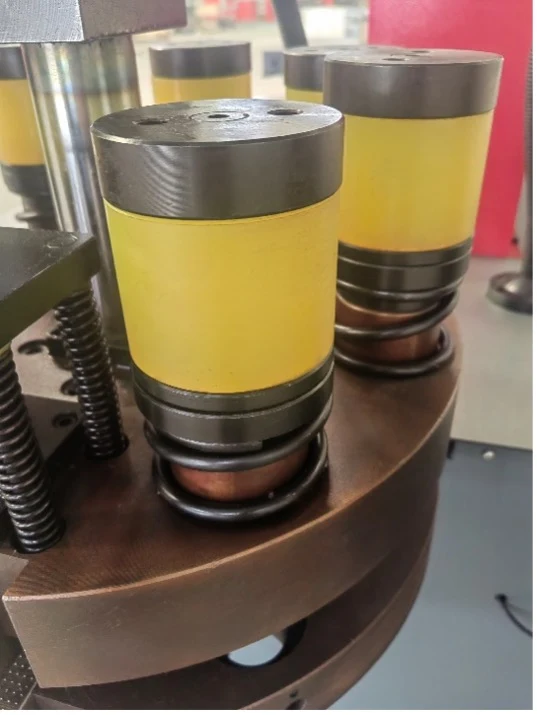
The Lean Enterprise Institute’s SMED method distinguishes internal setup, which requires a stopped machine, from external preparation that can happen while production continues. The single-digit-minute target is an improvement objective, not a guaranteed busbar machine changeover time.
Start with work that can be organized away from the operating machine: retrieve the approved drawing, identify the next material lot, stage the required tools and prepare the inspection record. Machine access and tool replacement must still follow the equipment’s operating procedures.
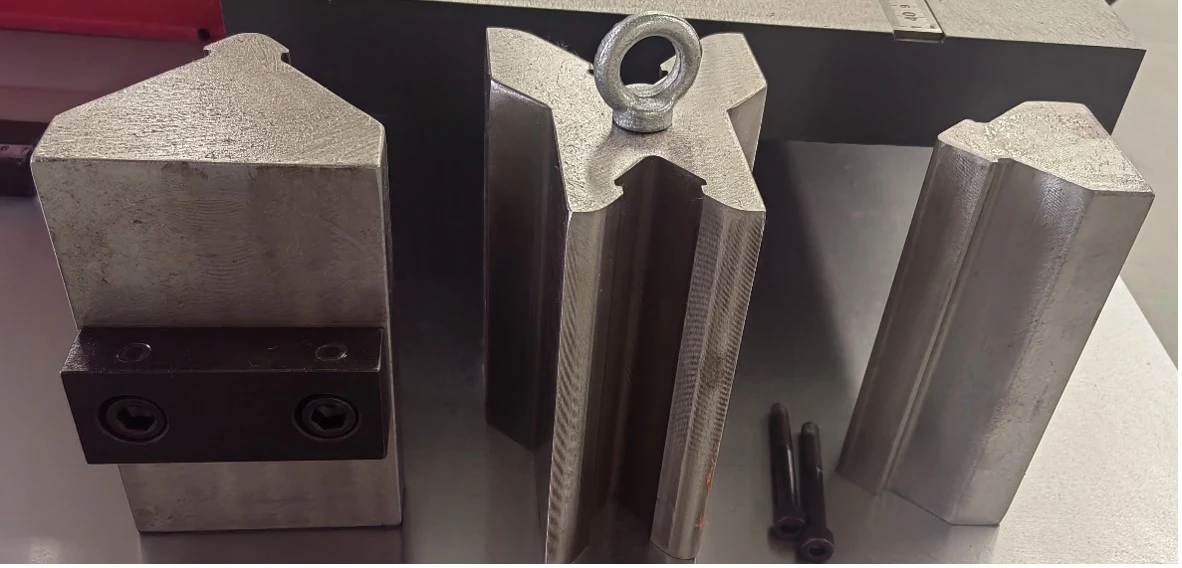
For busbar tooling changeover, ask the supplier to distinguish the tool-change mechanism from the preparation around it. A quick clamp will not solve a missing die or an unresolved drawing revision. Put tool identification, storage, spare requirements and setup instructions into the tooling package specification.
Eight small batches can favor the slower cycle
Consider a hypothetical order book of eight batches, each containing twelve accepted parts: 96 parts in total. There are eight start-up or changeover periods, including the first start of the shift. Each period already includes production and approval of its first accepted part. Only the remaining 88 parts need a separate cycle allowance. Option A has the faster cycle and the slower changeover; Option B is the reverse.
| Input | Option A | Option B |
|---|---|---|
| Batches and first-piece releases | 8 | 8 |
| Minutes to each first accepted part | 15 | 7 |
| Total accepted parts | 96 | 96 |
| Parts remaining after first-piece releases | 88 | 88 |
| Minutes per subsequent part | 1.2 | 1.5 |
| Total elapsed production minutes | 225.6 | 188.0 |
For this example:
Total minutes = batches × minutes to first accepted part + (total parts − batches) × subsequent cycle minutes
Option A takes 8 × 15 + 88 × 1.2 = 225.6 minutes. Option B takes 8 × 7 + 88 × 1.5 = 188.0 minutes: a 37.6-minute advantage despite its slower cycle. These are illustrative inputs, not measured machine results. They exclude breaks, shortages and unplanned downtime; the subsequent-cycle allowance includes the same routine handling and inspection scope for both options.
The advantage changes with batch size. Holding the number of batches at eight, B saves 64 minutes before the eight first-piece releases but adds 0.3 minute for each subsequent part. The crossover is 8 + 64 / 0.3, or about 221 total parts—the eight first pieces plus 213 subsequent parts. At 222 parts, A is slightly faster under these assumptions. Adding more batches would change that crossover again.
Keep the timing convention consistent. If a supplier defines setup as ending before the first part is produced, its calculation must include the cycle time for all parts. Mixing that definition with last-good-to-first-good timing double-counts the first pieces.
Turn the demonstration into a purchase requirement
Ask for the transition timestamps, accepted-part measurements, first-piece adjustments and preparation resources from the same run. Repeat a representative changeover to see whether the result can be reproduced with the agreed operator arrangement.
For a DH303-8P multifunction cell, identify the stations used by each part family and any shared handling or inspection work. Where operations overlap, compare elapsed completion time for the order book; adding every station’s active minutes would overstate the time the factory needs.
Retain the drawings, batch sequence, tooling list and inspection conditions in the acceptance specification. Use the capacity and OEE calculation guide to extend the trial into a shift plan, counting each loss once. Put the transition timestamps, accepted-part measurements and preparation checklist into the purchase order’s acceptance annex. A supplier that cannot reproduce the same transition with the agreed operator arrangement has not demonstrated the changeover you are buying.
Frequently Asked Questions (FAQs)
Should a changeover test include first-piece inspection?
Yes, when comparing the time needed to release the next job. Record mechanical setup separately, but end the production transition only when the next part is accepted under the agreed inspection plan.
Does SMED promise a busbar machine changeover below ten minutes?
No. Single-digit-minute changeover is an improvement target, not a guaranteed capability of a particular machine. The achievable time depends on tools, material, handling, programming and inspection.
Can shorter changeovers justify buying a slower machine?
They can for a particular order mix. Compare elapsed time for the same accepted quantities. If changeover includes the first accepted part, add cycle time only for the remaining parts; also include staffing and quality constraints. A result from small batches does not necessarily apply to long production runs.
How many changeovers should a trial include?
At least one repeat job and one difficult transition from your order book. If the mix includes thickness changes or handed parts, include one of each; a single easy transition does not represent the busiest day.
DH303-8P 3-in-1 CNC Busbar Processing Machine
Discover details, parameters, standard dies packages, and factory quotes.