
CNC Busbar Machine Purchase Contracts: What Belongs in the Technical Annex

A supplier quotation records an offer; it rarely controls a complete capital-equipment project. Product descriptions, drawings, messages, options and exclusions may conflict, while critical items such as sample-part acceptance, software backups and installation responsibility remain implied.
The technical annex converts the selected CNC busbar machine into a controlled deliverable. It should be written with engineering and production input, then integrated into the purchase contract by qualified commercial and legal reviewers.
Establish Document Precedence and Revision Control
List every contract document by title, number, date and revision. Then define what governs if two documents conflict. A typical hierarchy may address the signed agreement, negotiated amendments, technical annex, accepted deviation register, RFQ, supplier quotation and referenced drawings, but the parties must choose the order deliberately.
Mark superseded files. A statement that “all previous correspondence is included” can preserve contradictions rather than resolve them. Move accepted email decisions into the signed annex or deviation schedule.
The final record should answer:
- Which machine and revision are being purchased?
- Which buyer parts and material define required capability?
- Which supplier deviations were accepted, rejected or priced as options?
- Which documents can change, and through what approval?
- Which language controls when translations differ?
The CNC busbar machine RFQ checklist creates the inputs. The annex records the agreed outcome after technical clarification.
Define Configuration and Explicit Exclusions
Identify model, quantity, serial allocation when known, axes, working stations, control system, software, electrical configuration, guards, accessories, tooling and options. Use a bill of supply rather than “complete machine.”
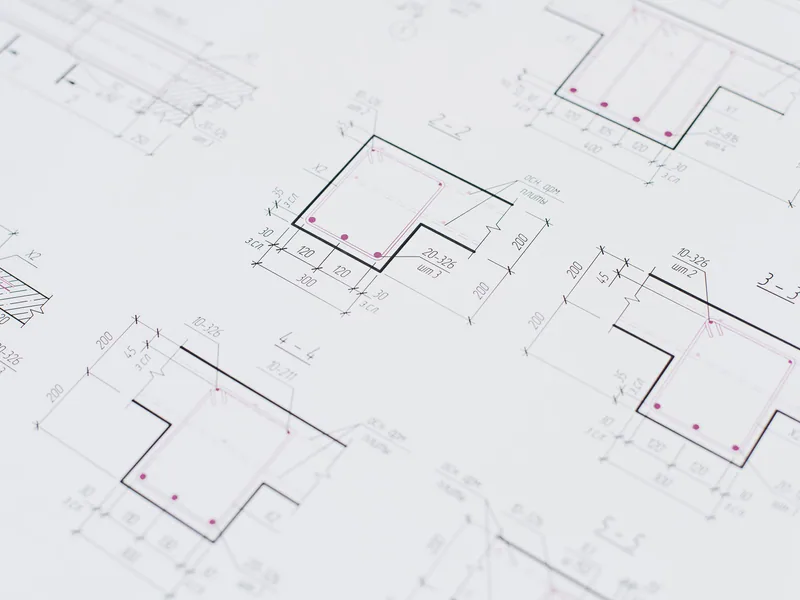
For each item, state quantity, manufacturer or technical identity, applicable drawing and whether it is installed, shipped loose, optional or buyer-supplied. Include supporting equipment required for the proposed operating method.
Add an exclusions schedule. Common areas include unloading, foundation, transformer, incoming protection, compressed air, network connection, local guarding, extraction, test copper, inspection gauges, travel and import costs. An exclusion does not automatically become the buyer’s responsibility; assign it in the responsibility matrix.
If equivalent components are permitted, define the required interface and approval process. “Or equivalent” without notice can result in a control or safety component that has different support, documentation or destination acceptance.
Attach Guaranteed Performance and Its Conditions
State performance as accepted outputs under defined inputs. For each representative part or feature, identify:
| Requirement | Contract input |
|---|---|
| material | grade, temper, dimensions and surface state |
| operation | punch, shear, bend, emboss or full route |
| characteristic | dimension, location, angle, edge or surface result |
| acceptance source | drawing or agreed specification clause |
| method | datum, instrument, repetitions and decision rule |
| productivity | start/stop points, included work and operator conditions |
Rated force, maximum material range and stroke frequency may remain useful configuration data, but they do not replace the part-based guarantee. If productivity matters, attach a cycle definition that includes or explicitly excludes handling, tool change and inspection.
Do not write “all buyer products” unless the complete product range has been disclosed and validated. Control future applications through a technical review route.
Make FAT, SAT and Open Items Contractual
Attach or reference the test procedures before the order is signed. Define test material, sample programs, witness notice, remote evidence if allowed, measuring equipment, raw-data ownership, pass/fail authority, retest and shipment release.

The CNC busbar machine FAT/SAT protocol provides a detailed structure. Keep factory acceptance, site acceptance and production ramp-up distinct:
- FAT verifies contracted configuration and performance before shipment;
- SAT confirms transport condition, installation, utilities and restored capability at site;
- final acceptance occurs at the agreed evidence point;
- stable production may require a separate reliability or ramp-up condition.
Define how an open item is classified, who owns it, its closure date and whether it blocks shipment, payment, energization or final acceptance. Shipping a machine with an unsigned punch list turns technical ambiguity into commercial leverage after the asset has moved.
Align Payment With Objective Evidence
Avoid milestones defined only as calendar dates or supplier assertions. A milestone should identify required evidence, review period, treatment of disputed items and the amount released.

Possible evidence gates include:
- contract effectiveness and agreed security documents;
- approval of layout, electrical configuration and custom tool drawings;
- documented build completion and FAT readiness;
- successful FAT and closed shipment-blocking items;
- conforming shipping documents and dispatch;
- installation, SAT, document handover and training;
- final acceptance and closure of retained items.
Commercial treatment of deposits, retention, title, risk, taxes, bank instruments and remedies depends on the transaction and governing law. The technical team should define evidence; legal and finance teams should define enforceable payment and risk provisions.
Publicly filed capital-equipment purchase terms show how specifications, scope, installation, acceptance, training and spares can be integrated into a broader agreement. Another filed equipment agreement provides an example of FAT, SAT and acceptance milestones. These documents are research references, not templates for this purchase.
Assign Packing, Delivery and Site Duties
Define packing method, corrosion protection, disassembly, lifting points, marks, photo records and shock or tilt indicators where justified. List required shipping documents and the review deadline before dispatch.
Use a named Incoterms rule, named place and edition, then separately assign customs data, brokerage, import taxes, unloading, internal movement, storage and damage inspection. The global procurement strategy guide helps frame logistics and supply exposure without replacing the contract wording.
At site, allocate route survey, floor/foundation approval, utilities, rigging, machine positioning, assembly, connection, local inspection, test material and waste removal. Link each responsibility to a due date and document rather than a general statement that the buyer “prepares the site.”
List Every Handover Asset
The annex should contain schedules for:
- operation, maintenance and safety information;
- electrical, hydraulic and pneumatic documents as applicable;
- general arrangement and installation drawings;
- software, licenses, parameters and backup/restore materials;
- tool register, custom drawings and setup data;
- commissioning and critical spare parts;
- calibration and test records;
- FAT/SAT reports and accepted sample data;
- role-based training, languages and train-the-trainer materials;
- warranty, service contacts and escalation route.
Set format, language, quantity and delivery stage. “Manuals supplied” does not confirm that the buyer receives an as-built electrical drawing or a recoverable control backup.
The ICC model contract for turnkey industrial plant supply uses annexes to organize technical documentation, equipment, spares, schedule, testing and training. That structure is valuable even when the purchased busbar machine is not a turnkey plant.
Control Engineering Changes After Award
Require a written change notice describing the reason, affected requirement, technical impact, price, schedule, documents, validation and requester. No change should be implemented merely because it is called an improvement.
Keep a configuration register through build, FAT and installation. Component substitutions, software updates and tool revisions can affect spare compatibility, destination review and accepted performance. Update as-built documents and backups before closure.
Finally, define the effect of delay, rejection, repeated failure, unavailable components, intellectual-property restrictions and termination outside the technical annex as appropriate. The technical team supplies clear facts and acceptance events; legal counsel determines the contractual consequences.
A good annex does not attempt to predict every dispute. It removes the avoidable ones by linking the purchased configuration, evidence and responsibilities to controlled documents before the machine is built.
Frequently Asked Questions (FAQs)
What belongs in a machinery purchase contract technical annex?
Include the exact configuration, performance requirements, representative parts, acceptance methods, utilities, interfaces, tooling, software, documentation, training, spares, delivery responsibilities, change control and open-item rules.
Should a supplier quotation be attached to the purchase contract?
It can be referenced, but document precedence and accepted deviations must be explicit. Otherwise conflicting language in the RFQ, quotation, drawings and purchase order can leave the delivered scope uncertain.
How should machine payment milestones be structured?
Link milestones to objective evidence such as approved design inputs, completed FAT, shipping documents and SAT or final acceptance. Retention, remedies and title or risk terms require project-specific commercial and legal review.
Is this article a machinery purchase contract template?
No. It is a technical scoping checklist. Qualified legal, tax, customs, safety and engineering professionals should adapt the contract to the transaction, destination and governing law.