
CNC Busbar Machine Lead Time: From Purchase Order to Stable Production
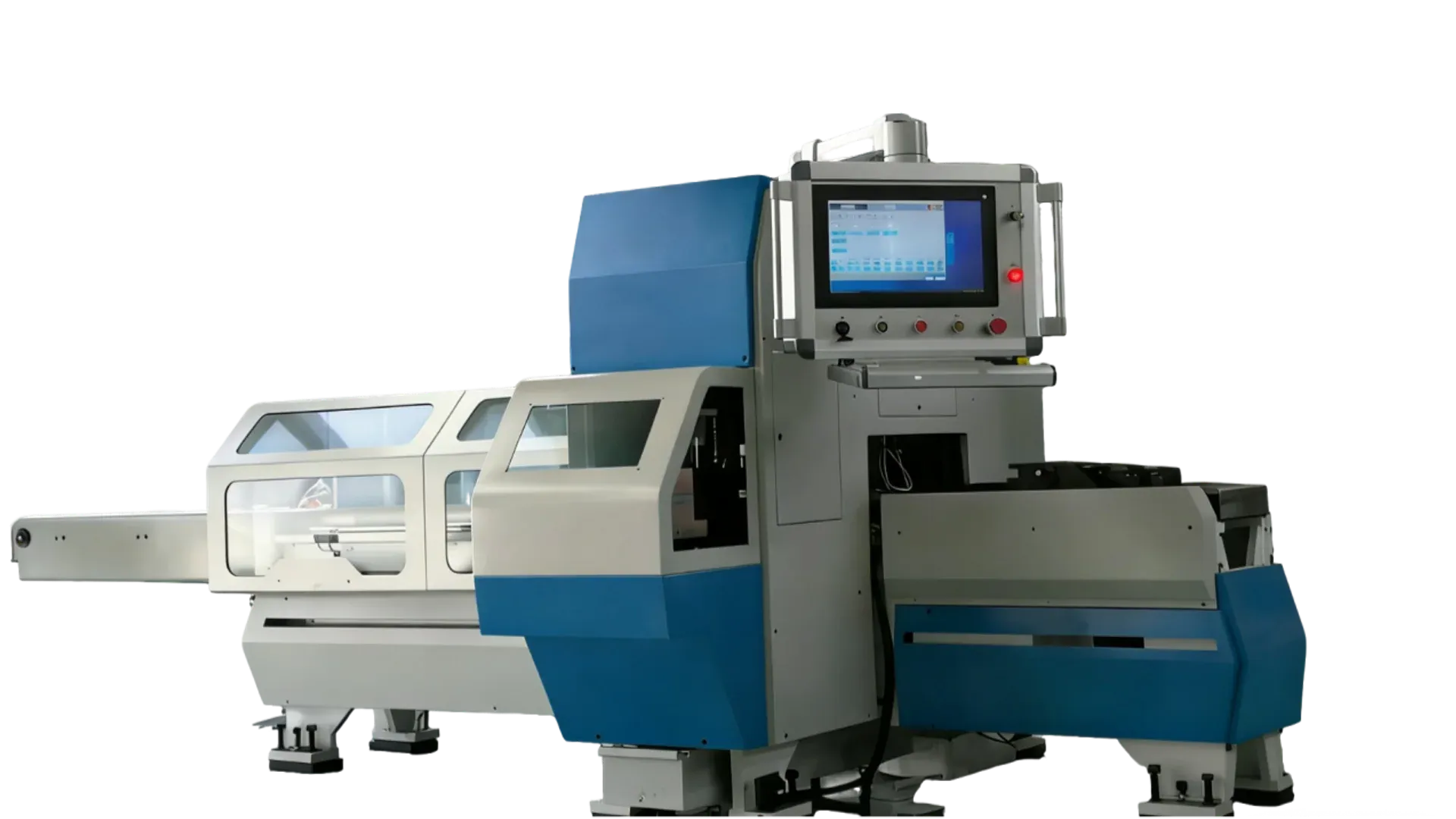
“Six weeks to ship” is not a production date. A CNC busbar machine project also contains specification release, custom tools, acceptance, packing, vessel booking, customs, rigging, utilities, site tests, training and process ramp-up. A delay at any critical interface can consume more time than machine assembly.
Plan one integrated schedule from purchase order to stable production, with a defined owner and exit evidence for each stage.
Define the Clock and the Finish Line
The contract should state what starts supplier lead time. Typical prerequisites include an effective order, agreed payment or bank instrument, approved technical specification, destination electrical data, layout approval, sample drawings and custom-tool release.
If unresolved inputs remain, put them in a dated register instead of pretending the clock is running without qualification. Record which activity each open input blocks.
Define separate finish lines:
| Milestone | Meaning |
|---|---|
| ready for FAT | configured machine and evidence available for test |
| released for shipment | FAT and shipment-blocking items closed |
| delivered | agreed delivery obligation completed |
| mechanical/electrical completion | installed and connected for approved testing |
| SAT complete | site acceptance criteria passed |
| production release | site authorizes controlled work |
| stable production | agreed output/quality period achieved |
Only the last milestone answers when the asset reliably supports the operating plan.
Map Engineering and Long-Lead Dependencies
Break the supplier plan into design review, electrical configuration, component procurement, fabrication, assembly, software, custom tooling, internal testing, buyer sample trial and documentation. Ask which components drive the date and what approved alternatives exist.
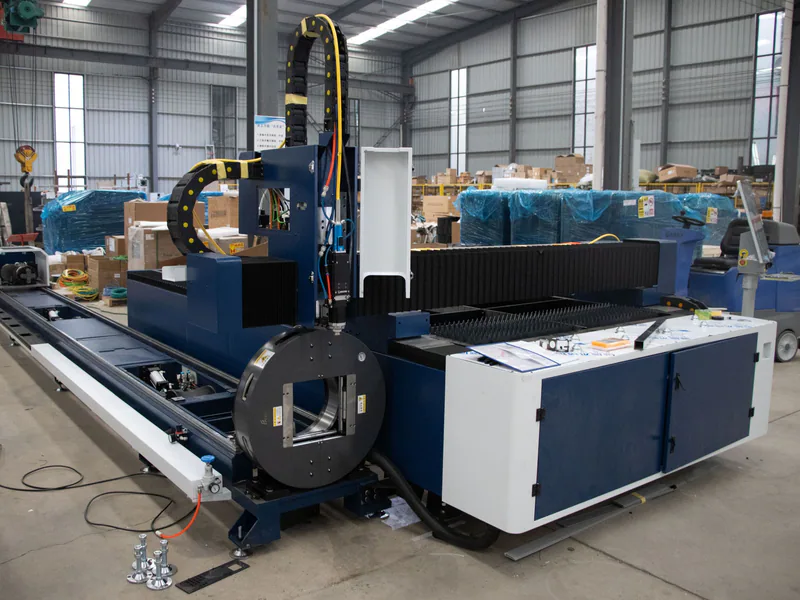
Custom hole shapes, bending dies, voltage/frequency changes, safety interfaces and external data connections often require buyer decisions before manufacture. Schedule drawing review with a response deadline and a clear change-control route.
The CNC busbar machine purchase-contract annex explains how configuration and evidence should be controlled. Schedule logic should reference those contractual deliverables rather than a separate informal list.
Gate Shipment With Evidence
Do not protect the schedule by sending an incomplete machine. Define FAT readiness, witness notice, test material, sample programs and required documents early. Close safety-, performance- and shipment-critical failures before release.
The schedule should allow time for correction and retest. A first-pass assumption with no recovery window is not an aggressive plan; it is an incomplete plan.
Use the FAT/SAT acceptance protocol to define objective tests. Photograph and record the final machine condition, loose parts, tooling, backups, preservation and package marks so receiving inspection has a baseline.
Plan Freight and Customs as Ranges
After shipment release, model export packing, inland move, terminal receipt, booking, port cut-off, sailing, transshipment if any, destination discharge, customs entry, examination risk, final delivery and container return. Obtain a current, route-specific plan from the freight forwarder.

Market indices provide context, not a project freight quote. On September 3, 2026, Drewry reported its World Container Index held at $4,465 per 40-foot container for that week. The composite index cannot price a particular machine movement; it is a reminder to refresh route cost and capacity assumptions rather than use an old budget rate.
Track document readiness before vessel departure: commercial invoice, packing list, transport document, origin information, machine identification and any destination-specific records. Resolve tariff classification and import responsibility with qualified customs professionals rather than using a supplier’s informal code as the final decision.
Run Site Preparation in Parallel
While the machine is being built, approve the final layout, survey the unloading route, complete the floor or foundation review, prepare utilities, appoint contractors and obtain permits. Do not wait for vessel departure to begin.
The CNC busbar machine installation-readiness checklist provides a formal gate for route, floor, electrical service, handling, energy control and test material. Link each site action to the relevant supplier drawing revision.
Protect against two interface failures: site work based on preliminary data, and supplier changes issued after construction. The configuration register should make both visible.
Separate Installation, Acceptance, Training and Ramp-Up
Arrival starts a new sequence:

- receive and document transport condition;
- unload and position under the approved plan;
- assemble, level or anchor as specified;
- complete utilities and safety integration;
- perform pre-energization inspections;
- commission and restore accepted programs;
- execute SAT on controlled material;
- train and assess assigned personnel;
- release defined production families;
- stabilize output and close remaining actions.
Supplier presence does not guarantee that all steps can occur continuously. Local electrical inspection, unavailable copper, missing gauges or untrained operators can create waiting time. Put buyer tasks on the same schedule as supplier tasks.
Stable production should have a defined observation period and measures appropriate to the business case, such as accepted output, first-piece success, alarms, intervention, changeover and training restrictions. It should not be an indefinite subjective condition used to delay acceptance.
Use Current Demand Signals Carefully
Equipment-market activity can affect supplier and component capacity, but it cannot establish a specific busbar machine lead time. On August 10, 2026, AMT reported June US manufacturing-technology orders of $672.7 million, with first-half orders at $3.44 billion—36% above the first half of 2025 and the strongest first half since the series began in 1998.
This is a broad metalworking investment signal, not busbar-machine sales data. Use it to justify checking component availability, engineering load and quote validity; use the selected supplier’s evidence to set the project schedule.
Maintain a Dated Critical-Path Register
At weekly review, track activities that directly affect the production date:
| Field | Purpose |
|---|---|
| activity and owner | establishes accountability |
| planned and forecast dates | exposes drift |
| predecessor and blocked work | shows critical interfaces |
| required exit evidence | prevents subjective completion |
| open decision and due date | accelerates buyer input |
| recovery action | states how the date will be protected |
Use milestone confidence ranges where uncertainty is real. A red/amber/green label without dates, evidence or recovery is not schedule control.
When delay occurs, first protect safety, configuration and acceptance. Recovery options can include earlier document review, parallel site work, alternative transport, additional qualified resources or a resequenced training plan. Shipping before tools, documents or tests are complete often moves the delay downstream and makes correction more expensive.
The global busbar procurement strategy helps frame supply and logistics scenarios. The integrated project schedule turns that context into decisions: exact inputs, gated outputs, visible buffers and a production date supported by more than one promised ship week.
Frequently Asked Questions (FAQs)
When does CNC machine lead time begin?
The contract should define the trigger, usually after effective order, agreed payment or security, and release of complete technical inputs. A purchase-order date alone is misleading when voltage, tooling or drawings remain open.
Is the promised ship date the same as the production start date?
No. Shipment is followed by transport, customs, final delivery, installation, utilities, SAT, training, part approval and ramp-up. Each stage needs its own evidence and owner.
How should international machinery freight time be planned?
Use route-specific booking, port, sailing, transshipment, customs and final-delivery ranges from current logistics providers. Keep contingency visible rather than embedding it in an unexplained supplier promise.
What is the best way to reduce capital-equipment schedule risk?
Freeze inputs early, identify long-lead components and custom tools, run site work in parallel, use evidence-based stage gates, track interfaces weekly and protect acceptance rather than shipping an incomplete machine to recover the calendar.