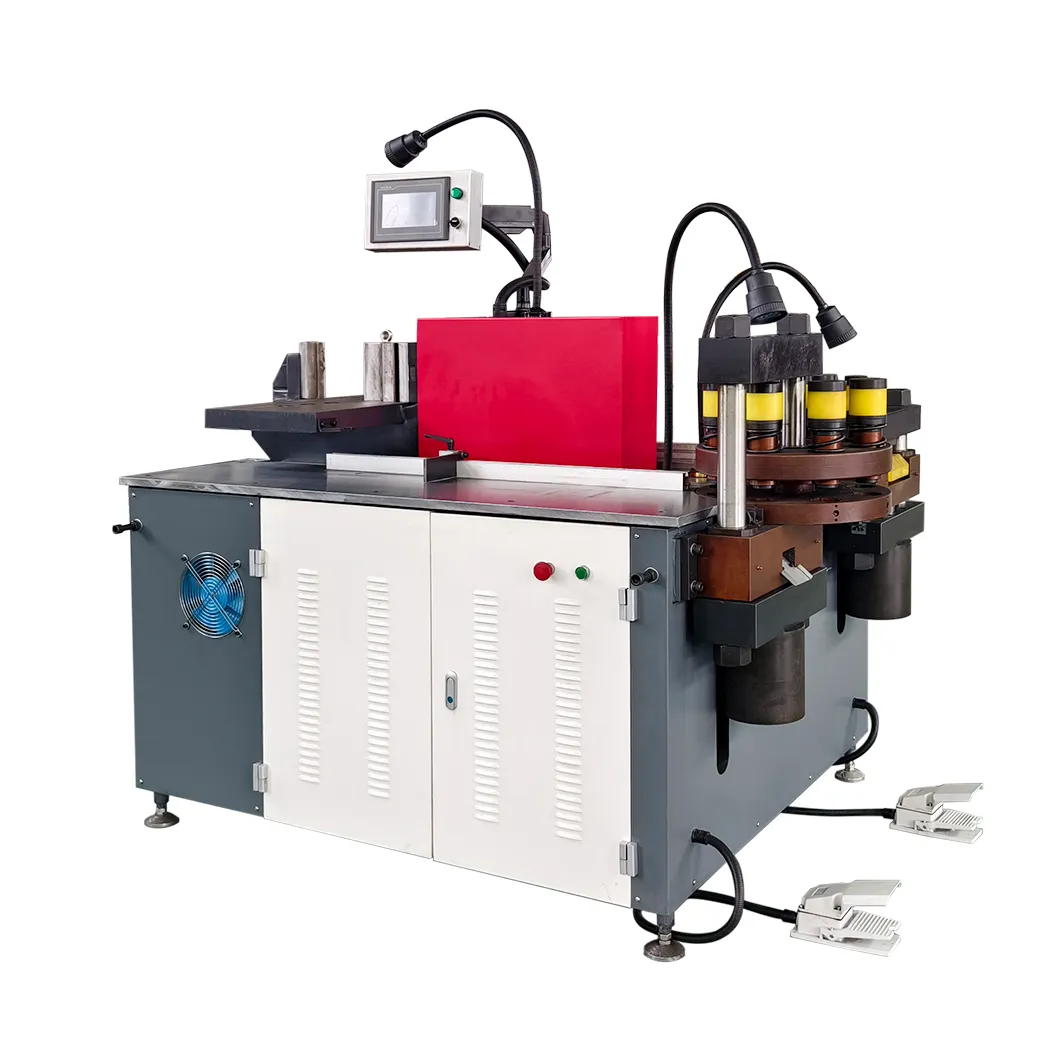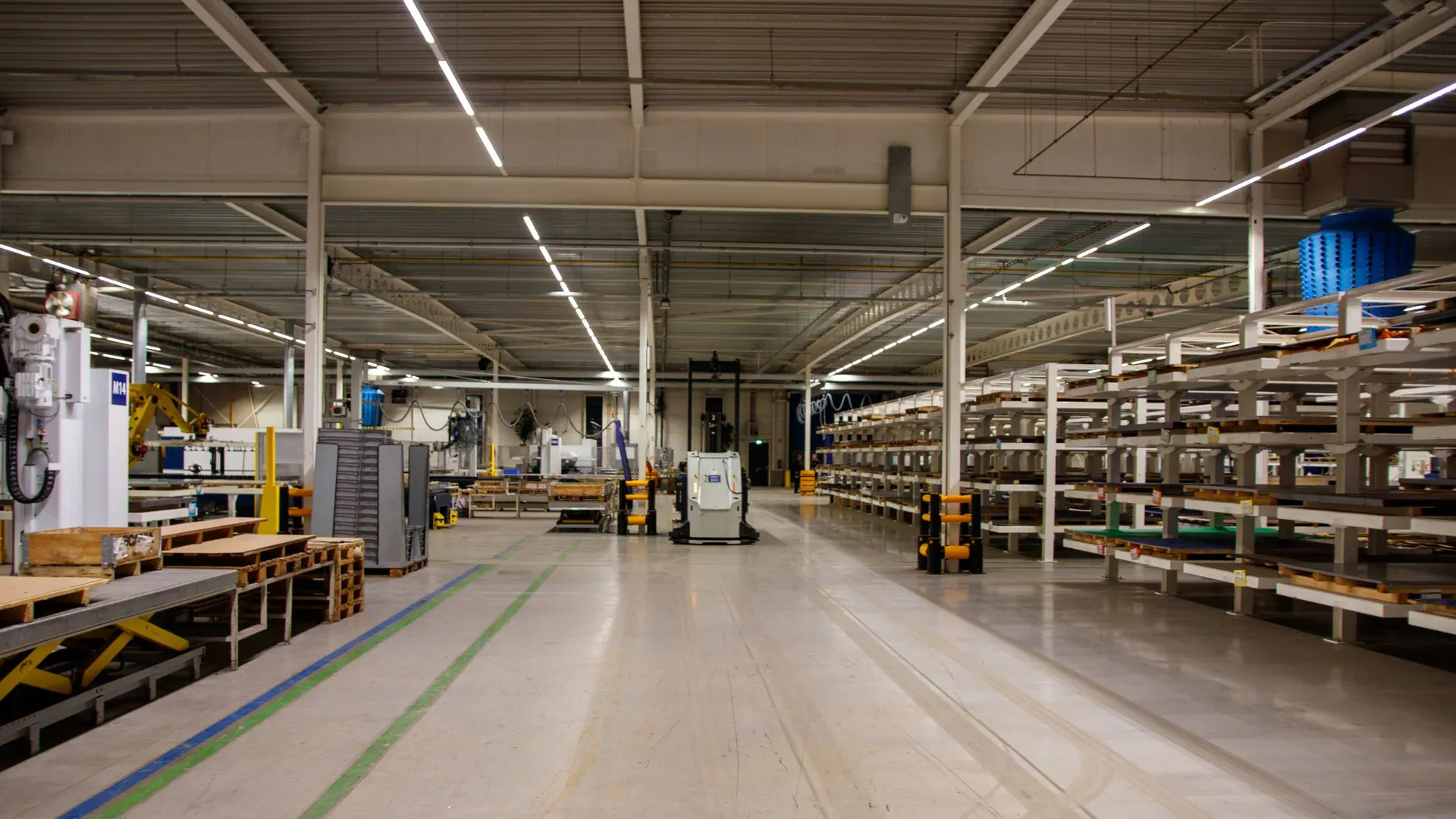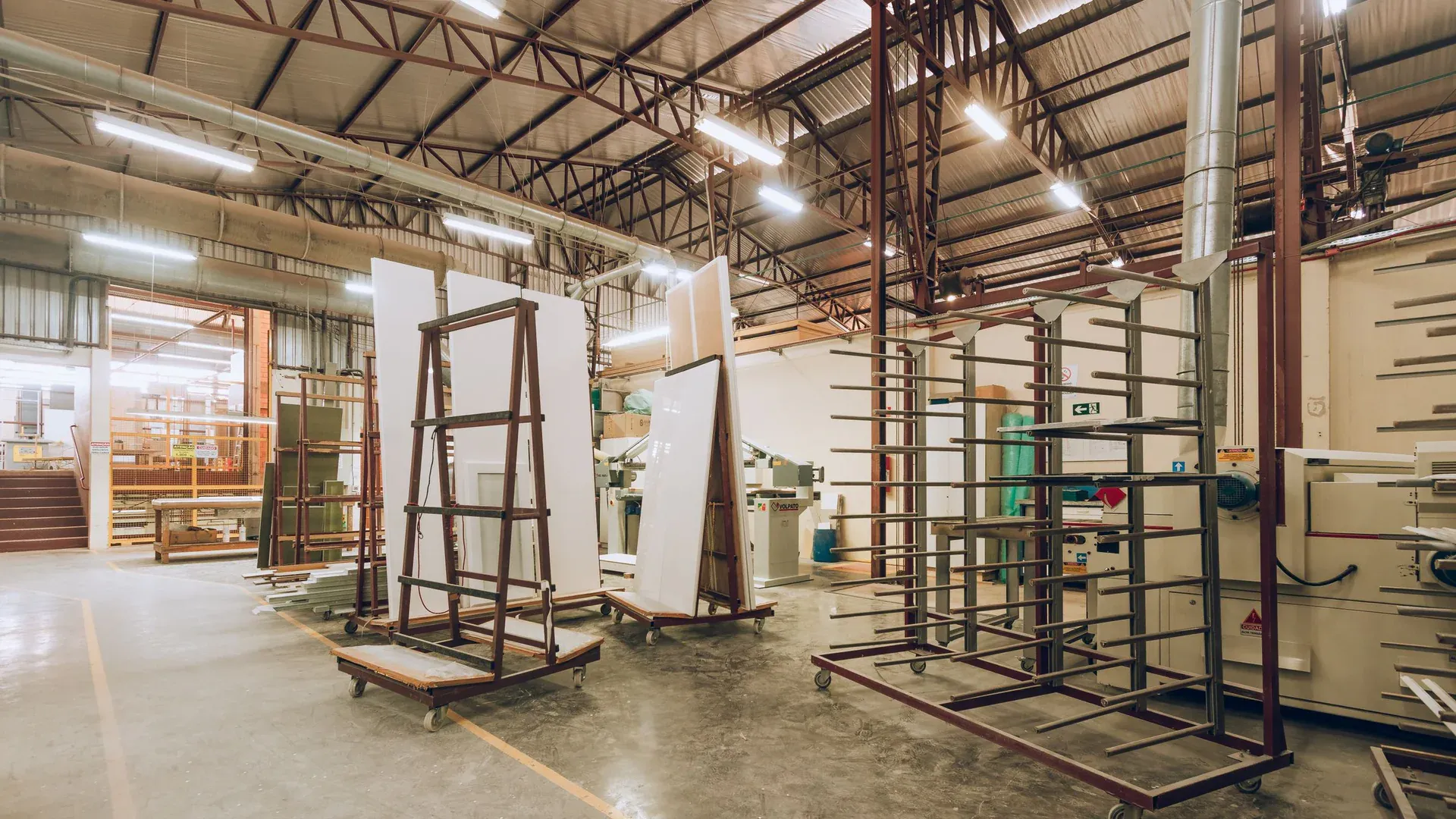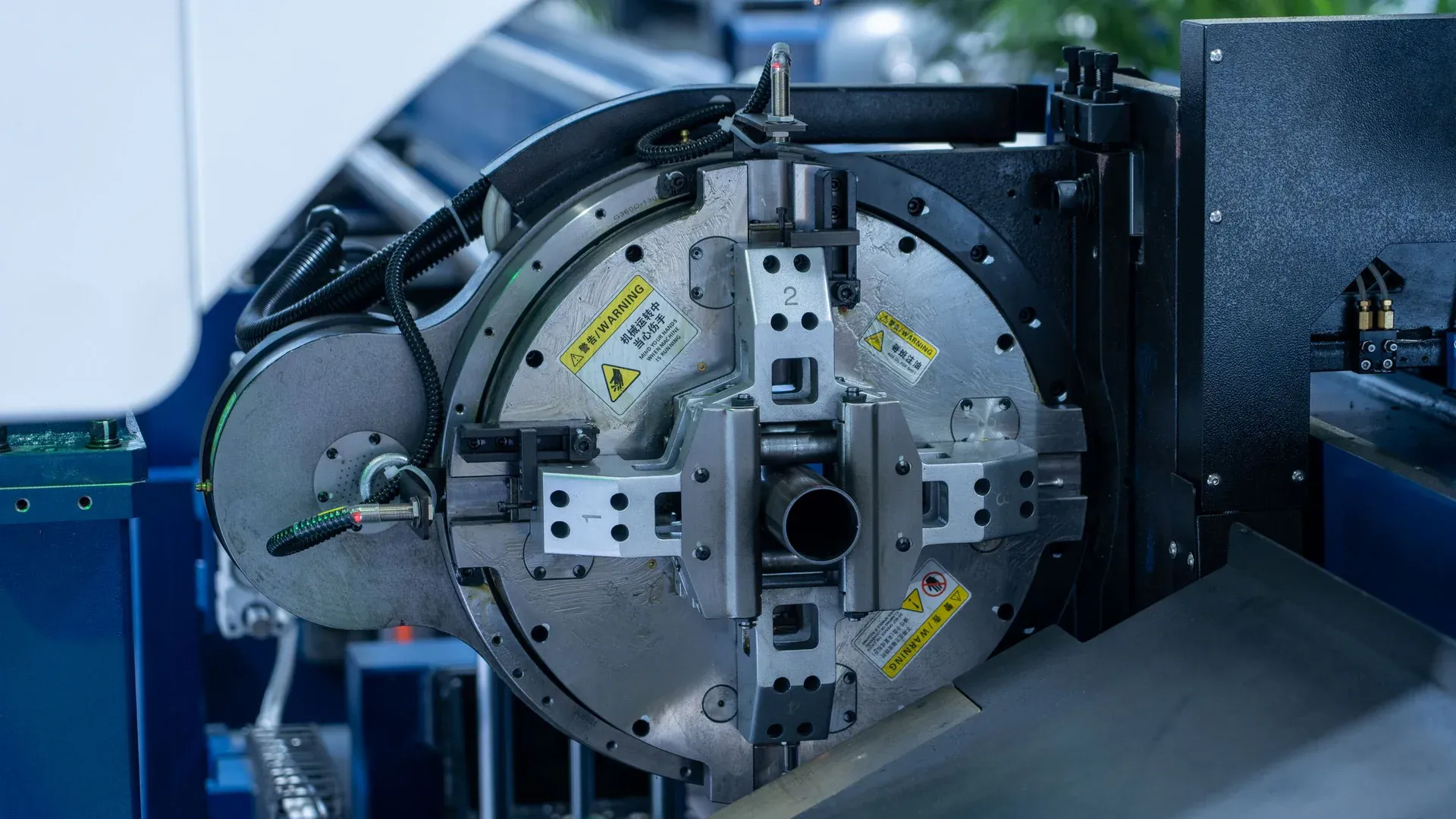
CNC Busbar Machine Lead Time: From Purchase Order to Stable Production
Plan CNC busbar machine lead time from specification freeze through engineering, tooling, FAT, freight, customs, installation, SAT, training, and stable production.
Explore comprehensive publications, factory direct specifications, and engineering assessments categorized under Purchasing Guides.

Plan CNC busbar machine lead time from specification freeze through engineering, tooling, FAT, freight, customs, installation, SAT, training, and stable production.

Prepare for CNC busbar machine installation with a controlled layout, route survey, utilities, lifting plan, energy control, material flow, and readiness gate.

Compare used, refurbished, and new CNC busbar machines through identity, condition, sample-part capability, controls, support, and risk-adjusted landed cost.

Compare in-house and outsourced busbar fabrication using relevant cost, capacity, copper yield, engineering-change speed, quality ownership, and break-even demand.

Turn busbar machine accuracy claims into a repeatable FAT and SAT plan for hole position, shear length, bend results, measurement uncertainty, and remedies.

Compare copper busbar punching and laser cutting by geometry, edge condition, tooling, finishing, and accepted-part cost rather than headline speed.

Build a CNC busbar machine FAT/SAT protocol with real copper parts, measurable accuracy and repeatability, safety checks, records, training, and handover.

Compare planning prices for 3-in-1, CNC bending and punching/shearing machines, including tooling, software, FAT, freight and service scope.

A $75,000 CNC busbar machine costs roughly $245,000 over 10 years when you account for energy, tooling consumables, maintenance, and operator labor. The real question is what it saves vs. manual processing—and that number exceeds $400,000.

5-year total cost of ownership comparison: servo-hydraulic saves 45-70% electricity ($2,100-8,900/yr), delivers ±0.2° vs ±0.5° accuracy, and cuts maintenance costs by 60%.

Step-by-step payback calculation for a CNC busbar machine: labor savings of $42K-$168K/year, copper waste reduction from 6% to under 1%, and how the 25% Section 301 tariff shifts the breakeven timeline.

LME copper spiked to $13,387/ton in Jan 2026. 3D nesting software cuts busbar scrap from 12% to under 3%, saving switchgear plants $59,800/year in copper waste.

A comprehensive financial and operational ROI analysis for switchgear manufacturers evaluating the transition from manual hydraulic tools to fully automated CNC busbar processing machines.

A technical walkthrough for switchgear panel designers on matching copper busbar cross-sections to current carrying capacities, preventing overheating, and complying with international standards.
Bypass standard trading companies. Speak directly with our chief application engineers to configure precise machine voltages, die tooling tolerances, and secure direct volume quotes.