
Copper Busbar Temper and Annealing: Specify Formability Without Guesswork
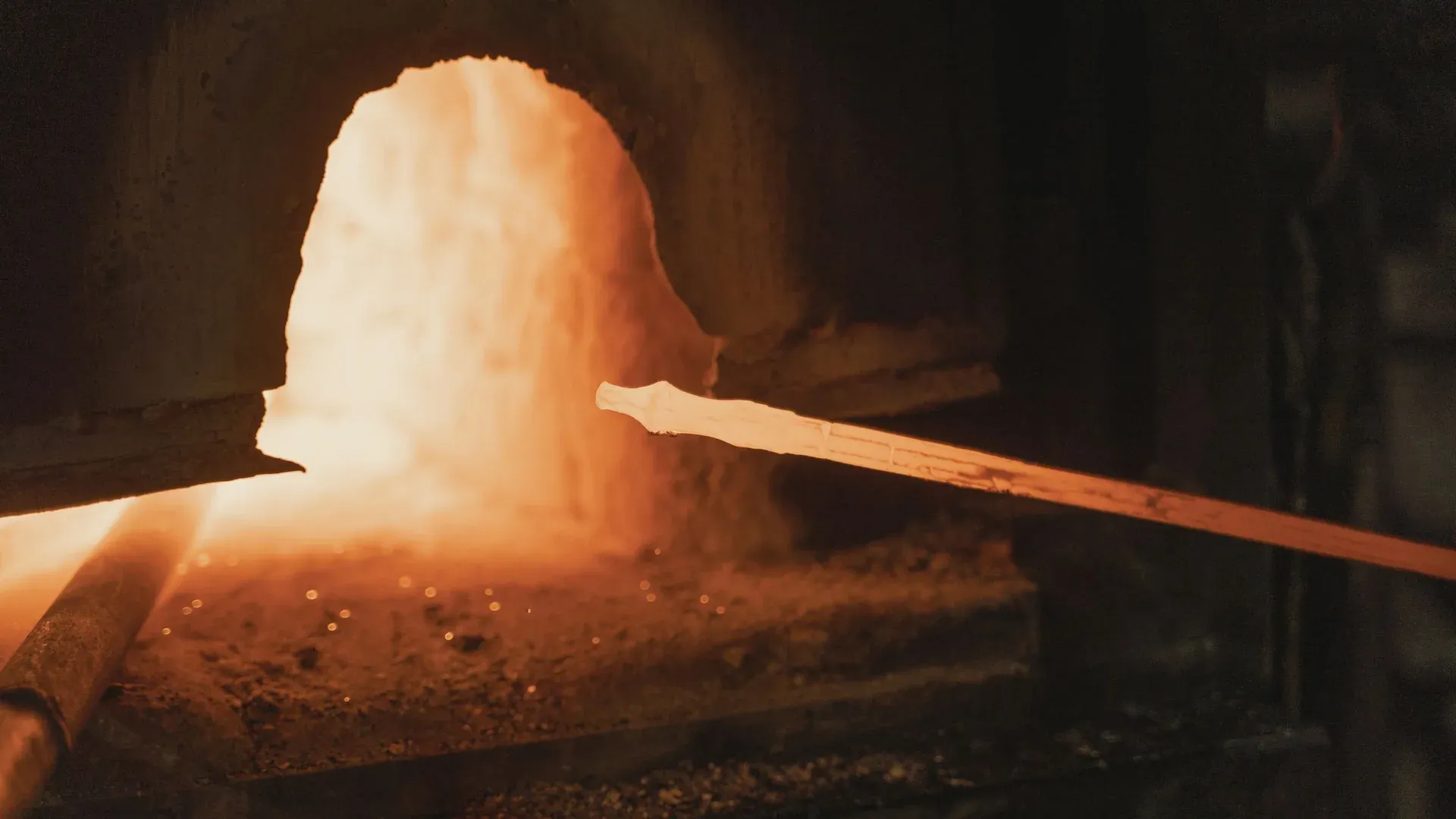
When one copper lot bends cleanly and the next lot cracks or springs back farther, the CNC program is not automatically at fault. The material may carry the same alloy name while arriving in a different mechanical condition. “High-conductivity copper” describes an important electrical requirement; it does not fully define yield behavior, elongation, hardness or the forming window.
Temper closes that gap. Annealing may be part of how a supplier establishes the specified condition, or it may be a separately qualified manufacturing step. It should never be an improvised repair applied until the bar feels soft enough.
Alloy and Temper Are Separate Purchasing Decisions
Alloy designation identifies chemistry and associated material requirements. Temper describes a condition produced by processing such as cold work or annealing and is often expressed by a designation or mechanical-property range. Both affect whether a busbar can carry current and survive fabrication.
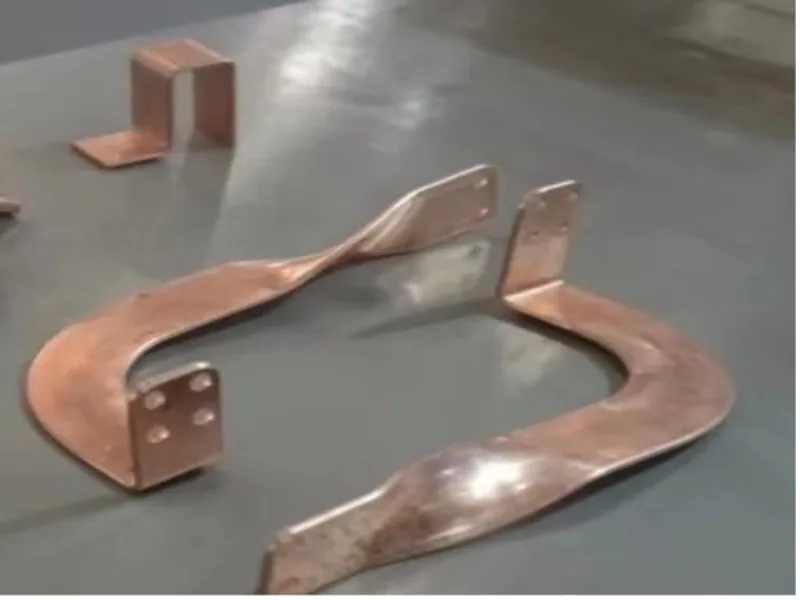
A purchase order that says only “C110 copper, 10 mm” leaves important questions open:
- Which material standard and edition applies?
- What temper or hardness/property range is required?
- Are substitutions permitted?
- What certificate results must identify each heat or lot?
- Is grain direction controlled for tight or repeated bends?
- May the fabricator heat treat the material after receipt?
ASTM B187/B187M-20 covers copper bus bar, rod and shapes and provides a useful contractual framework. The buyer must still specify the needed alloy, temper, dimensions and supplementary evidence. The C110, C101 and C102 material guide addresses alloy selection; temper remains an additional decision.
Cold Work Changes More Than Bending Force
Rolling, drawing, straightening and earlier forming operations can cold-work copper. In general, greater cold work raises strength and hardness while reducing available ductility. The part may require more force, spring back differently, show more surface strain or crack at an edge under a bend that softer material tolerates.
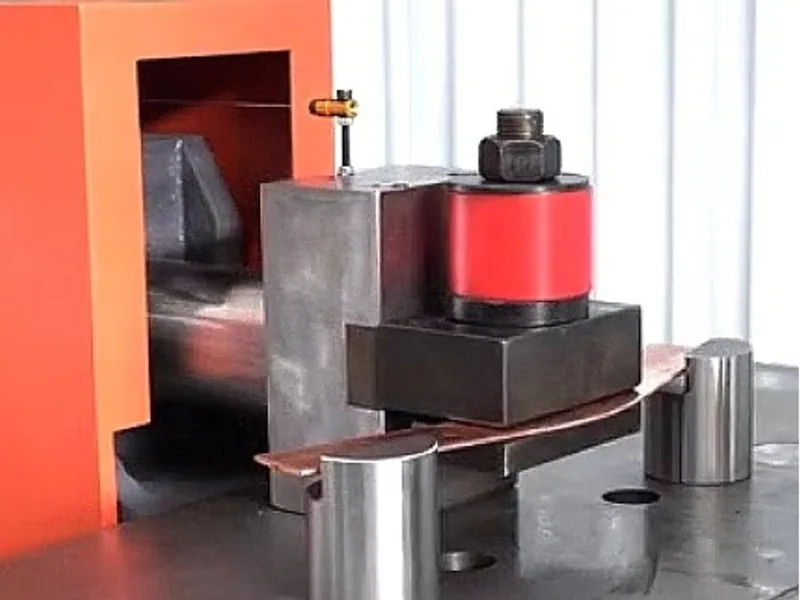
Those relationships are not a license to predict an exact bend from a temper name. Actual behavior also depends on thickness, width, edge quality, bend radius, orientation, tooling, friction, sequence and the supplier’s property distribution. Use property ranges and process qualification rather than labels such as “soft” or “hard.”
Cold work and subsequent heat treatment can also shift conductivity. The electrical change may be smaller than the mechanical change for a particular material, but it must be measured when the specification requires it. The copper-busbar conductivity testing guide explains how to separate fast eddy-current screening from a resistivity determination.
Annealing Is a Controlled Material Process, Not a Shortcut
Annealing can reduce the effects of cold work through recovery and recrystallization, depending on material and process conditions. The Copper Development Association’s overview of annealed tempers notes copper alloys’ response to annealing and grain growth. The practical implication is that temperature alone is not a complete recipe.
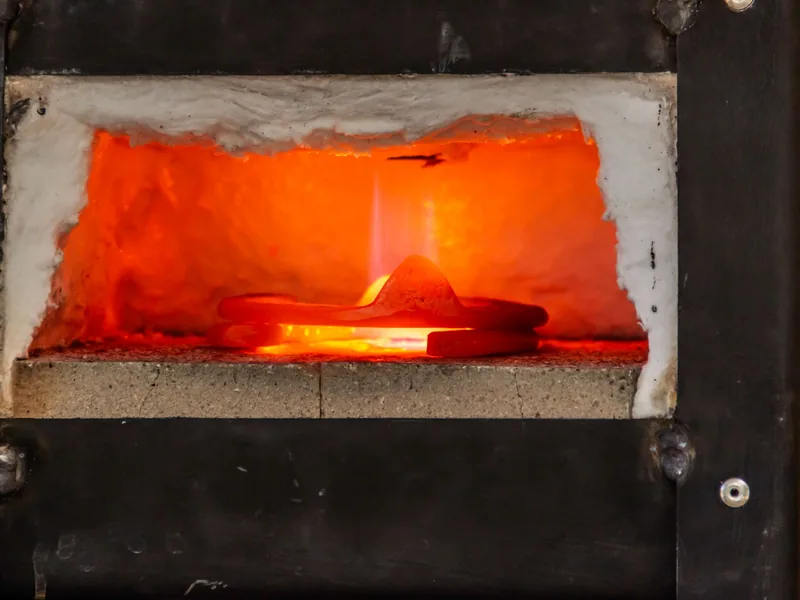
A qualified annealing process must consider:
- alloy and initial temper;
- amount and distribution of prior cold work;
- section size, load arrangement and furnace uniformity;
- actual metal temperature, time and heating/cooling path;
- atmosphere, surface cleanliness and oxidation control;
- target mechanical properties and permitted grain condition;
- dimensional movement and distortion;
- post-process cleaning, identification and testing.
Local torch heating is especially difficult to control. Color is not a reliable metal-temperature measurement, and a heat-affected zone can vary across width and thickness. Surface oxidation may interfere with later plating or contact preparation. A bar that bends without cracking can still have unacceptable nonuniform properties or lost lot identity.
Do not publish or adopt a universal annealing temperature and time for “copper busbar.” The correct process depends on the specified material, target condition and heat-treatment equipment. Use a qualified supplier or an internally validated process with temperature records and acceptance evidence.
Decide Whether to Buy the Temper or Add Heat Treatment
Buying material in the required temper usually gives the cleanest certificate and lot trail. It also lets the mill or distributor control the process before slitting and final supply. This route is preferable when the same formability is needed across most of the bar.
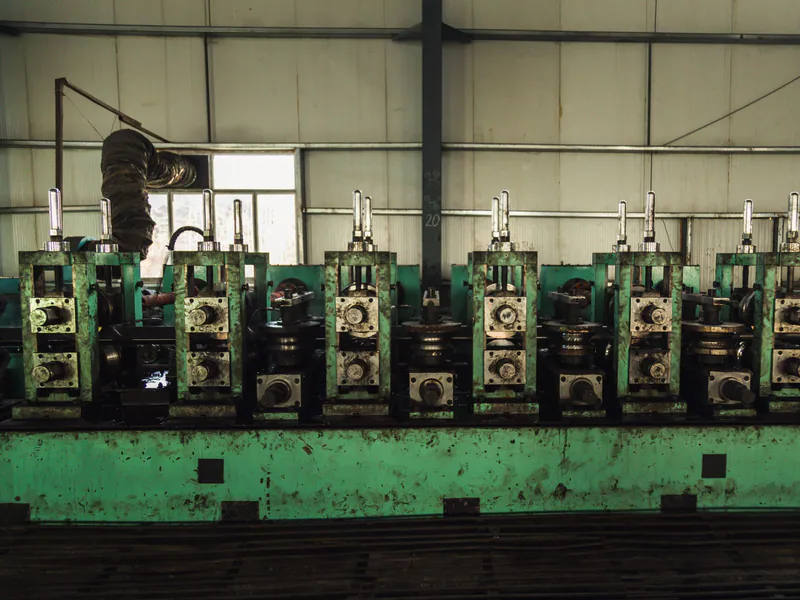
Intermediate annealing may be justified when a multi-stage part accumulates too much cold work, when a local region requires additional formability, or when the selected supply state cannot meet both handling and forming needs. It adds cost and control points:
| Decision | Questions to close |
|---|---|
| outsource annealing | supplier qualification, batch traceability, furnace records, property tests, surface protection |
| anneal in house | validated equipment, pyrometry, atmosphere, loading, process authorization, operator competence |
| local/intermediate anneal | property gradient, dimensional effect, mark location, requalification and design approval |
| change purchased temper | handling damage, punching behavior, springback, final strength and conductivity |
Changing temper to solve one bend can create new risks in punching, handling, clamping and final mechanical performance. Review the whole route and the assembly requirement before approving it.
Qualify the Forming Window With Representative Coupons
Use coupons from the actual alloy, temper, thickness range and rolling direction. Prepare edges by the proposed production method. Run the intended tool radius, bend direction, sequence, speed and lubrication under recorded settings. Include worst-case part widths and short flanges where they affect support.
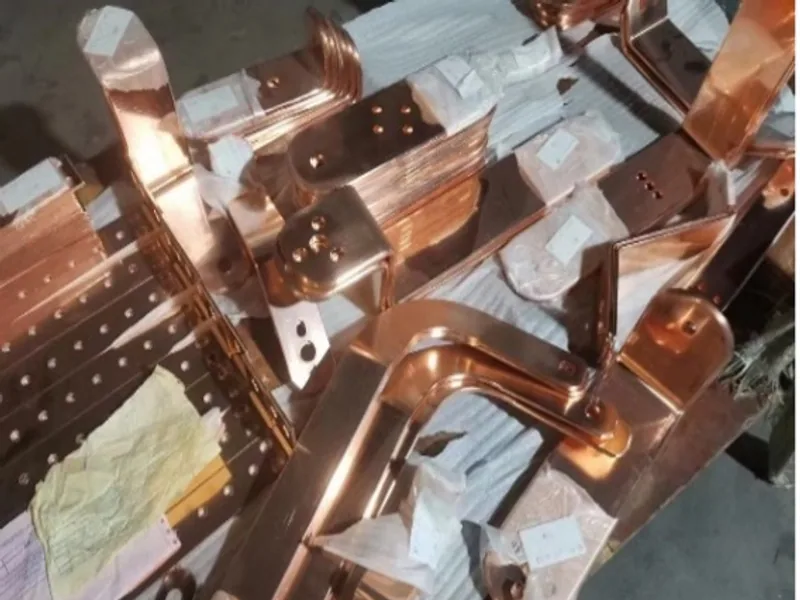
Measure more than angle:
- bend force or machine response under a stated setup;
- springback and angle after a consistent relaxation time;
- inside-radius and outer-surface condition;
- edge cracking, orange peel or tool marking;
- terminal-plane position and twist;
- hardness or tensile properties when required;
- conductivity when heat treatment is part of the route.
The busbar bend-allowance guide shows how a verified coupon supports the flat pattern. For material qualification, retain the coupon identity, material certificate, heat-treatment batch if any, tool, program and raw measurements. Do not combine results from different tempers into one average.
The production window needs margin. If the sample passes only after repeated compensation edits or sits at the crack limit, ordinary lot variation will produce failures.
Put Temper and Evidence Into the Controlled Documents
State alloy, standard/edition and temper or property range in the purchase order and drawing. Add conductivity, hardness, tensile, elongation, grain-direction or bend-test requirements only when they serve the design and can be verified. Require certificate-to-lot traceability and identify the sampling plan.
The router should prohibit unapproved heat treatment and substitutions. If annealing is part of production, record the batch, equipment, approved cycle reference, load, temperature evidence, operator and post-process results. Re-identify parts if the original mark cannot survive the process.
For a dedicated bending process, the DHAC-BB-H equipment page can support machine selection. It cannot compensate automatically for an undisclosed temper change. Keep material state in the program setup and first-off record so the operator does not solve lot variation by silently editing bend values.
Diagnose Cracking Without Blaming the Program First
When a bend cracks, preserve the part and its lot record. Check whether the crack started at a sheared or burred edge, tool mark, hole, notch or region with an incorrect radius. Verify thickness, grain orientation, temper evidence, tool condition, alignment, sequence and actual inside radius.

Compare a retained reference lot under the same setup. If the reference passes and the suspect lot fails, test material properties before changing the machine. If both fail, inspect tooling and process. If only one orientation fails, review rolling direction and edge history.
The CNC busbar bending-machine selection guide explains force, tooling and springback controls. Use those process variables together with material evidence. A stable bending operation starts when alloy and temper are specified, not when a technician tries to rescue an unknown bar with heat.
Frequently Asked Questions (FAQs)
Why can two busbar lots of the same copper grade bend differently?
Alloy designation does not fully define mechanical condition. Temper, prior cold work, thickness, grain direction, residual stress, edge quality, dimensional variation and production history can change force, springback and cracking behavior.
Can a workshop use a torch to anneal a cracking copper busbar?
Uncontrolled local heating can create nonuniform properties, oxidation, distortion, grain changes and lost traceability. Any local or full anneal should be an engineering-approved, qualified process with defined material, heating, atmosphere, cooling, inspection and re-identification controls.
Does annealing always reduce copper busbar conductivity?
No universal direction or magnitude should be assumed. Conductivity depends on alloy chemistry and processing history, while annealing changes cold-worked structure and mechanical properties. Measure the required electrical and mechanical characteristics after the qualified process.
What should a busbar purchase order say about temper?
State the alloy, applicable material standard and edition, temper or property range, dimensions, grain-direction requirements if relevant, certificate and lot traceability, acceptance tests, and prohibition or approval rules for substitutions and post-supply heat treatment.
DHAC-BB-H Servo-Hydraulic Busbar Bender
Discover details, parameters, standard dies packages, and factory quotes.