
How Do CNC Busbar Machines Optimize PV Solar Inverter Production?
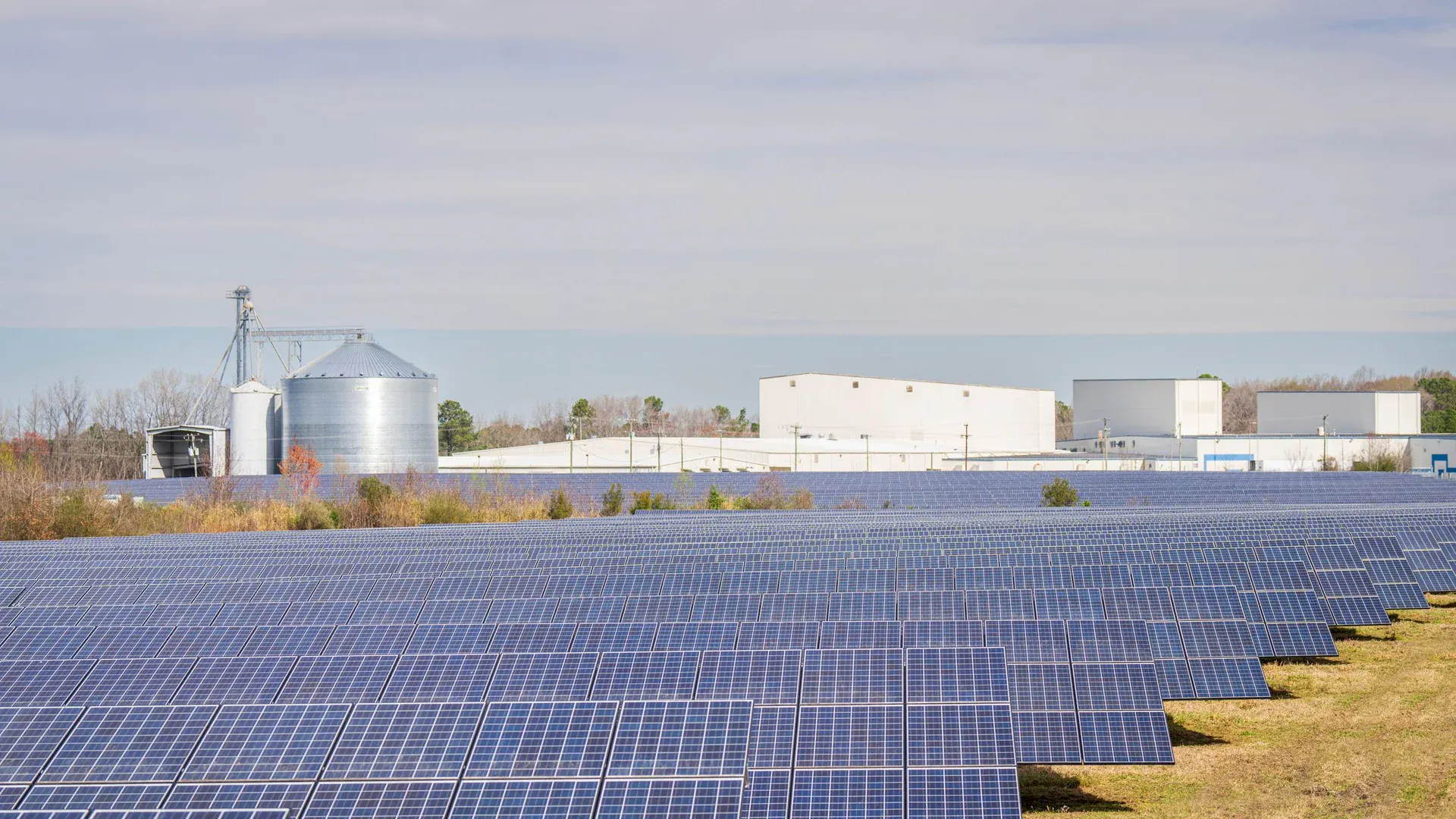
The global push toward renewable energy in 2026 has driven unprecedented demand for high-capacity photovoltaic (PV) solar installations. At the heart of these power plants are solar inverters, which must reliably handle massive direct current (DC) loads and convert them into alternating current (AC) for the grid. For switchgear manufacturers and B2B procurement engineers, the quality of internal copper routing is no longer an afterthought—it is the defining factor in inverter lifespan and energy efficiency.
Why Are Precision Copper Busbars Critical in Modern Solar Inverters?
PV busbar machines are used to fabricate internal copper connections for solar inverters. The required bend radii, contact surfaces and tolerances must come from the approved design and be verified on finished parts. A CNC busbar processing workstation can make programmed operations more repeatable, but it does not by itself prove the electrical or thermal performance of the inverter. Renewable energy switchgear manufacturers should define measurable fabrication and inspection limits for each part.
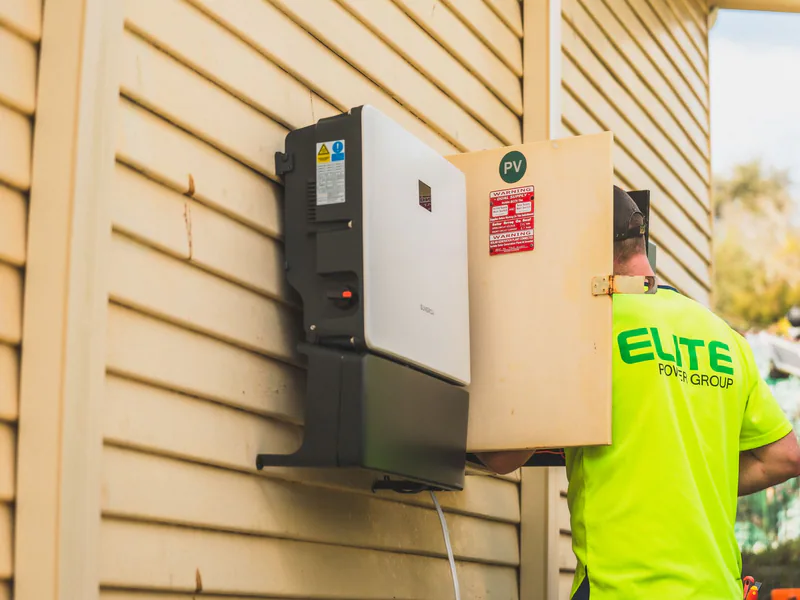
What Are the Most Common Copper Fabrication Challenges in PV Inverter Assembly?
Solar inverter copper busbars can vary after bending because springback depends on alloy, temper, thickness, grain direction and tooling. Hole position, burr and flatness should therefore be measured against the drawing rather than inferred from the fabrication method. A PV busbar machine can reduce operator-dependent variation when the material, tooling, program and inspection method are controlled.

How Do CNC Bending Centers Outperform Traditional Methods in PV Applications?
To illustrate the technical advantages of automated equipment in the renewable sector, our engineering team has benchmarked the performance metrics of servo-driven CNC processing against traditional hydraulic setups.
| Manufacturing Metric | Traditional Hydraulic Processing | Automated CNC Busbar Machine (DHAC-BB-H) | Impact on PV Inverter Reliability |
|---|---|---|---|
| Bending Angle Accuracy | ± 1.5° (Relies on operator skill) | ± 0.3° (Auto-springback compensation) | Ensures perfectly flush bolted joints, eliminating arc flash risks. |
| Punching Surface Finish | Prone to burrs and micro-cracks | Shearing without deformation | Prevents corona discharge in high-voltage DC string configurations. |
| Production Cycle Time | ~12 minutes per complex profile | ~3.5 minutes per complex profile | Accelerates time-to-market for utility-scale solar switchgear orders. |
| Scrap Rate (Waste) | 5% - 8% | < 1% (3D Nesting integration) | Drastically reduces raw material acquisition costs. |
[!TIP] For heavy-duty solar applications, we strongly recommend evaluating a dedicated servo-hydraulic busbar bending workstation with integrated closed-loop angle compensation. This ensures that even the thickest copper profiles required for multi-megawatt inverters are formed without micro-fracturing the outer bend radius.
How Does Automation Ensure Long-Term Solar Farm Reliability?
The business case for a PV busbar machine should be based on the buyer’s own labor, scrap, throughput and rework baseline. CNC busbar processing can support consistent part geometry, while joint preparation and assembly torque remain separate controlled processes.
Before purchase, run representative parts and record the characteristics that matter to assembly: hole position, bend angle, leg length, flatness, burr and visible surface damage. The inverter or switchgear design authority remains responsible for electrical validation and applicable standards.
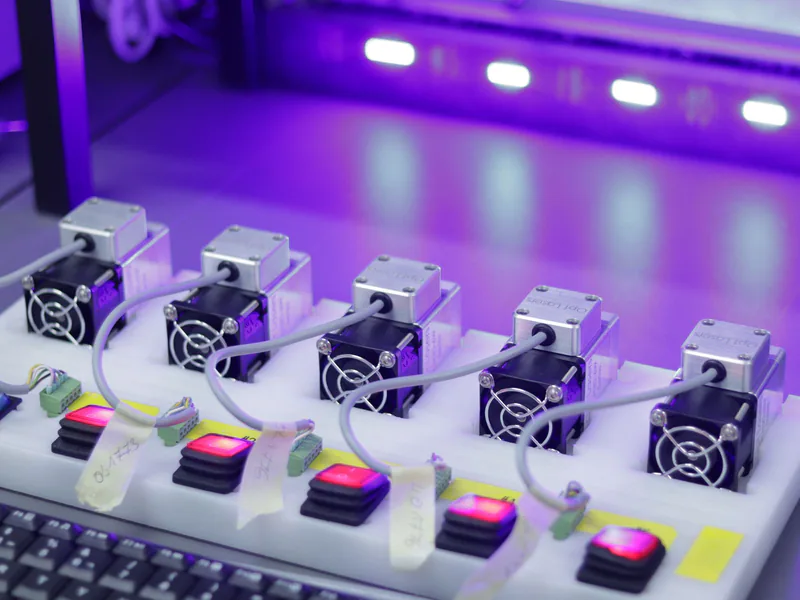
Integrating advanced CNC equipment into your production floor is not merely a capacity upgrade; it is a foundational quality assurance measure that defends your brand against costly infield failures.
Frequently Asked Questions (FAQs)
Why do PV solar inverters require specialized copper busbar processing?
Solar inverters convert high-current DC from solar panels into AC. This constant high-load switching generates immense heat. CNC-processed copper busbars with precise bending radii minimize contact resistance, thereby reducing thermal loss and preventing inverter failure under peak irradiance.
How does a CNC busbar machine improve the manufacturing of solar switchgear?
CNC busbar machines utilize servo-hydraulic bending with auto-springback compensation to ensure perfectly flush contact surfaces for copper busbars. This precision is critical for maintaining IEC compliance and ensuring maximum power transmission efficiency in multi-megawatt PV installations.
DHAC-BB-H Servo-Hydraulic Busbar Bender
Discover details, parameters, standard dies packages, and factory quotes.