
Maximizing Copper Utilization via 3D Nesting Software
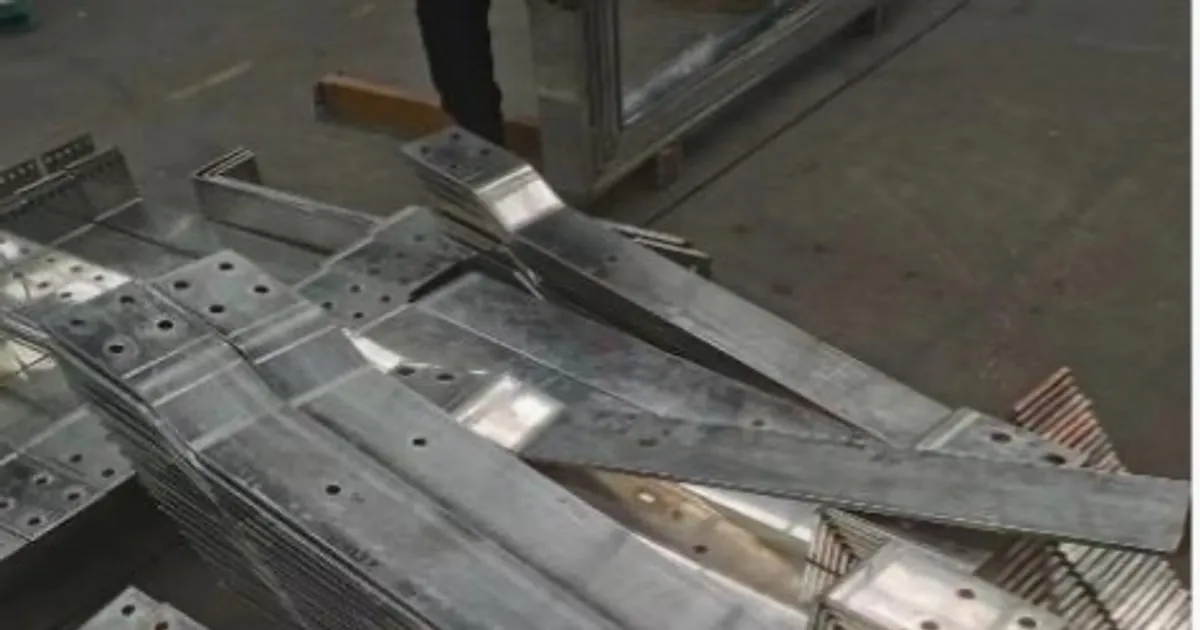
Sourcing copper busbars for high-voltage and low-voltage electrical switchgear production represents a substantial portion of overall manufacturing overhead. In the modern switchgear and power distribution industry, optimizing material utilization is no longer optional; it is a critical competitive necessity.
Traditional manual nesting and legacy split-body shearing systems lead to significant off-cut remnants that accumulate as expensive scrap. To combat this erosion of profitability, advanced B2B electrical manufacturing operations are transitioning to an integrated CNC punching and shearing workstation with built-in 3D nesting optimization software, or utilizing a flexible 3-in-1 multi-station busbar processing machine for mid-volume switchboard assembly.
The Cost Profile of Copper Waste in B2B Manufacturing
In average high-load electrical cabinet production, raw materials represent up to 70% of the total component cost. Copper remains highly volatile on international metal markets, trading at premium rates per ton.
Without automated optimization:
- Manual Off-Cut Inefficiency: Operators guess individual cut points, leading to 8% to 12% raw bar waste.
- Scrap Ends: Traditional mechanical clamps require large margin clearances, often leaving unworkable 200mm to 300mm scrap remnants.
- Draft Error Accumulations: Programming parts in isolation neglects the possibility of sharing shearing edges.
How 3D Nesting Optimization Works
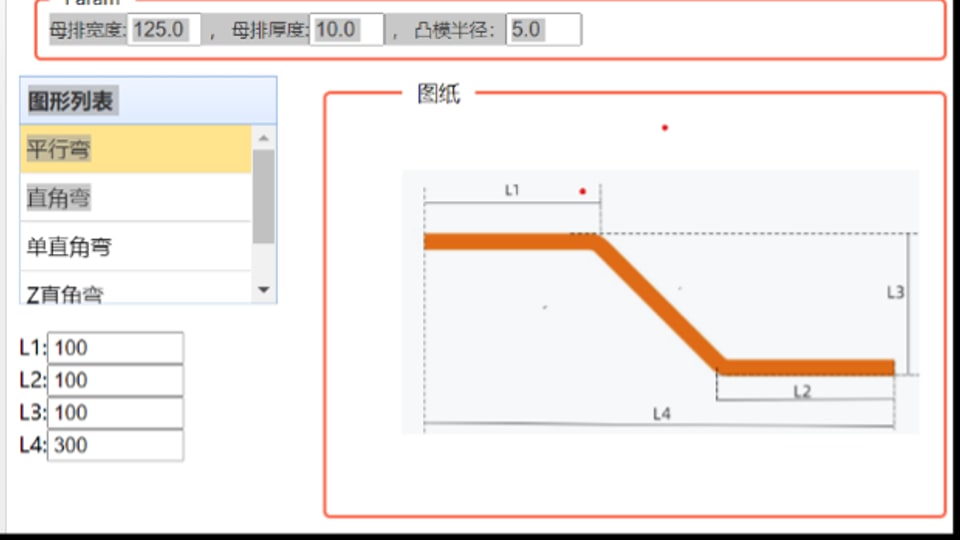
The high-efficiency DHCNC-BP-60 CNC busbar punching shearing machine incorporates proprietary industrial PC nesting software that resolves these bottlenecks at the design layer.
Raw Copper Bar (6,000mm)
[========================================================================]
[  Part A  ][  Part A  ][   Part B   ][  Part C  ][ Part D ][Scrap: 55mm]
1. Project-Level Aggregation
Instead of processing individual drawings sequentially, the operator uploads the entire CAD assembly bill of materials (BOM). The algorithm groups parts by thickness (e.g., 10mm copper) and processes them as a collective nesting task.
2. Common-Edge Shearing (Zero-Waste Mode)
The software automatically aligns identical cross-sections back-to-back, allowing a single shear stroke to separate two parts. This eliminates one tool strike, reduces cycle times, and prevents micro-scrap sliver accumulation.
3. Mechanical Clamp Avoidance
Unlike split-body machinery, the integrated clamps on our CNC workstation automatically reposition based on coordinate calculations, allowing workpieces to be punched and sheared down to a tight 55mm remnant length. Procurement managers can request a custom tooling engineering evaluation to audit drawing nesting compatibility before purchase, and check our complete CNC busbar processing machinery catalog to compare available configurations.
Performance Comparison: Nesting vs. Standard Processing
| Technical Metric | Traditional Manual Cutting | DH CNC 3D Nesting System |
|---|---|---|
| Average Material Scrap Rate | 12% - 15% | Under 2% |
| Minimum Remnant Waste | 200mm | 55mm |
| Onboarding Programming Time | 1 - 2 weeks | 2 - 3 days (CAD import) |
| Edge Precision | ±0.50 mm (manual alignment) | ±0.20 mm (servo-controlled) |
Frequently Asked Questions (FAQs)
How does 3D nesting reduce raw copper waste in switchgear production?
By analyzing multiple workpieces across an entire production batch, the project-level nesting algorithm aggregates and arranges components dynamically on raw 6-meter copper bars. This reduces typical shear remnant ends to a absolute minimum of 55mm, improving material yields by 10% to 15% directly.
What CAD formats are supported by the integrated HMI busbar software?
The proprietary DH CNC busbar software directly imports standard industrial 2D and 3D CAD vectors, including DXF and STEP files. This completely eliminates manual transcription errors and speeds up operator onboarding to only two to three days.
DHCNC-BP-60 CNC Punching & Shearing Workstation
Discover details, parameters, standard dies packages, and factory quotes.