
Copper Busbar Storage and Packaging: Prevent Tarnish, Dents, and Mixed Lots
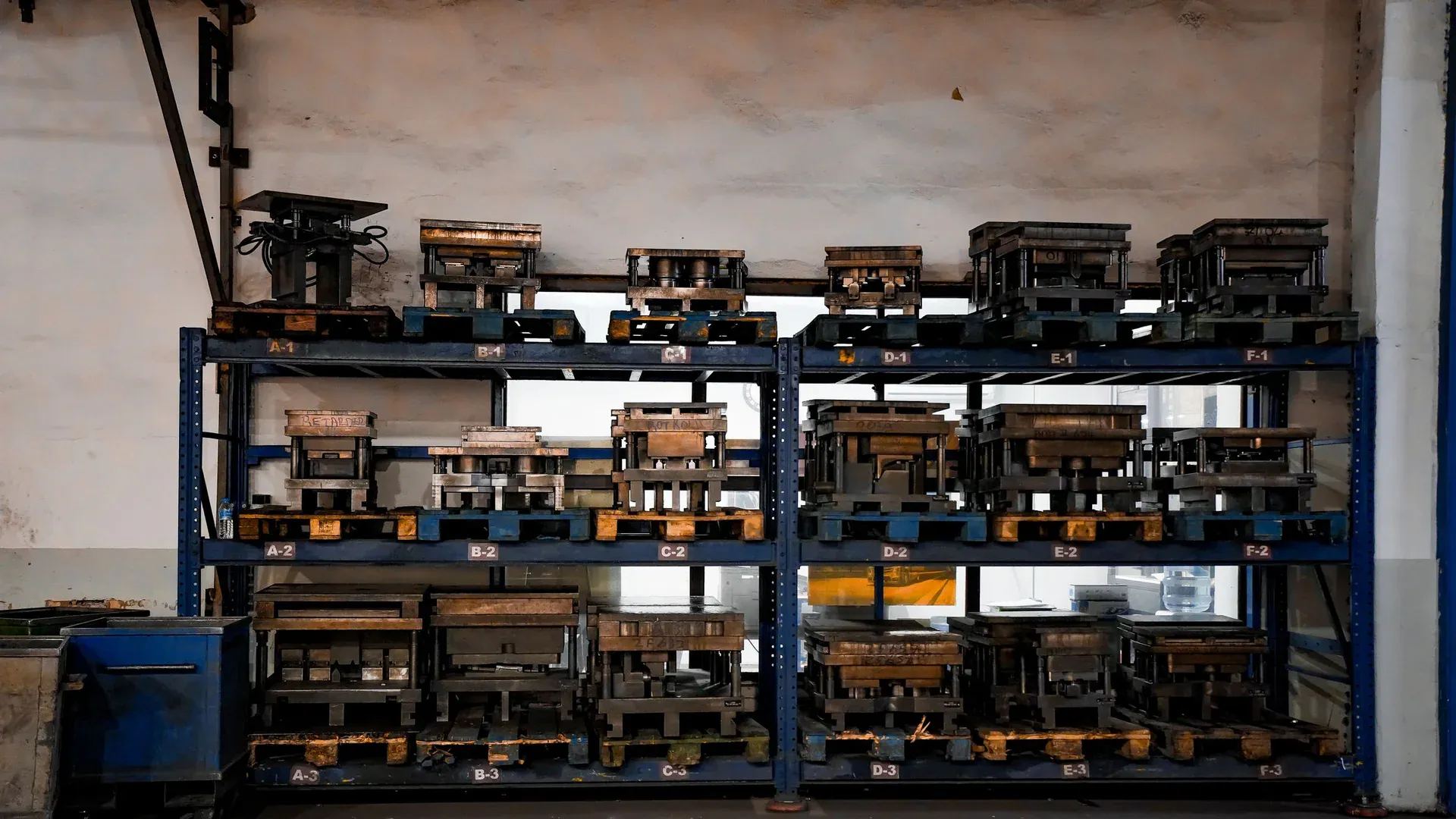
Copper busbars can pass final inspection and still arrive unusable. Moisture condenses inside a sealed pack. A long bundle takes a permanent set between rack arms. A band cuts into a plated edge. Bare parts rub against finished contact pads. Two material lots lose their labels after a partial pack is returned to storage.
These are not cosmetic warehouse problems. They can change flatness, joint preparation, coating quality, insulation cleanliness and traceability. Storage and packaging therefore belong in the manufacturing control plan from incoming material through shipment—not as a final request to “wrap carefully.”
Define What Must Arrive Unchanged
Begin with the receiving condition at the next operation or customer. List the characteristics that storage must protect:
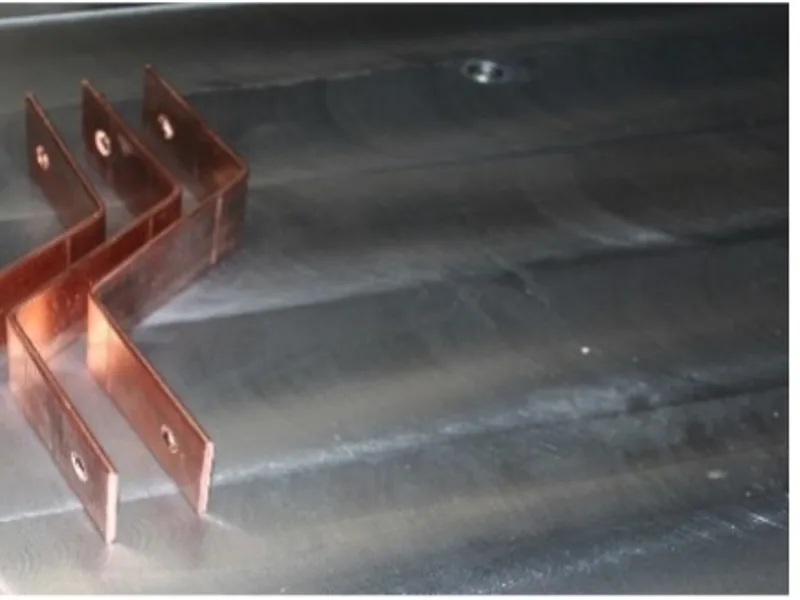
- bar straightness, formed geometry and terminal-plane flatness;
- hole and edge condition;
- bare or plated contact surfaces;
- coating, heat-shrink or other insulation;
- identification marks and labels;
- material, heat, plating and production-lot identity;
- cleanliness needed by plating, bonding or assembly.
Assign protected zones on the drawing or packaging specification. A nonfunctional bare edge and a silver-plated contact pad should not share the same handling rule. Define whether fingerprint staining, light tarnish, packaging rub, water spots, adhesive residue or edge impressions are acceptable in each zone.
Use the finished-busbar inspection checklist to establish the release condition. Then design packaging so that condition can survive the intended route, climate, handling equipment and storage duration.
Control Water, Condensation, and Contaminants
Keep busbars indoors in a clean, dry area separated from floors, exterior walls, roof leaks and open doors where practical. Monitor the conditions that matter to the site instead of assuming a warehouse label means controlled storage. A cold shipment moved into warm humid air can condense even when both locations are nominally dry.

Provide an acclimatization rule before opening moisture-sensitive packs. If material is wet, do not reseal it and hope the packaging absorbs the problem. Quarantine the pack, document the exposure, dry it through an approved method and inspect the affected surfaces.
Segregate busbars from chemicals, cleaning agents, wood treatments, battery materials, acid or alkaline vapors, sulfur-bearing sources and other products that can contaminate or discolor copper and coatings. The risk is not limited to liquid spills; fumes, dirty hands, abrasive dust and residues from packaging can affect later plating or contact preparation.
Aurubis publishes storage and handling instructions for Nordic Copper that emphasize protecting copper products during storage and handling. Those instructions address a particular product family, so use them as risk-control input rather than a universal busbar acceptance standard.
Support Bars Without Creating Permanent Set or Rub Marks
Long bars and formed parts need support appropriate to their stiffness, weight and finish. Verify rack capacity and arm spacing with the actual bundle, not a generic “metal stock” label. Supports should be level, clean and wide enough to avoid point loading. Use compatible separators that do not shed abrasive particles, retain moisture or transfer chemicals.
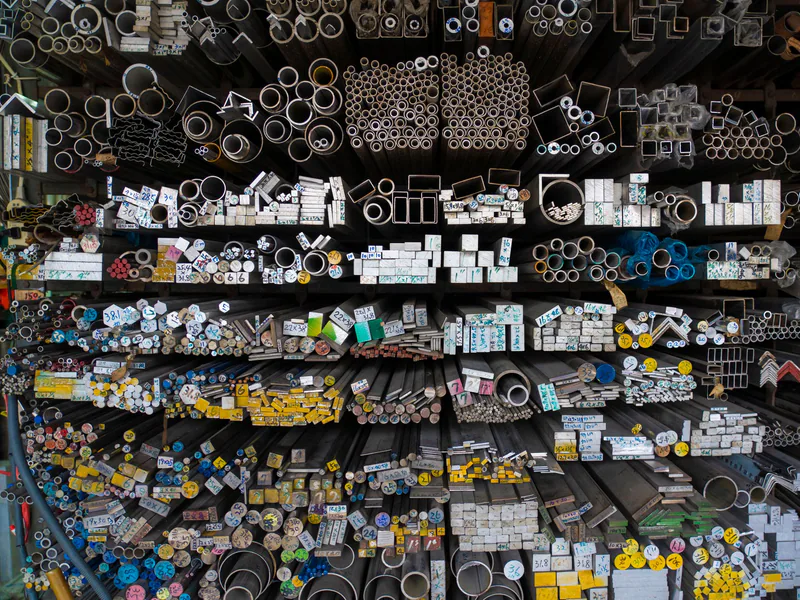
Control stacking height and orientation. A short heavy pack placed on the middle of a long unsupported bar can create a bend that is not visible until assembly. Formed busbars require fixtures or dividers that keep terminal faces from carrying the stack load.
Banding should restrain the pack without crushing edges or leaving permanent impressions. Protectors must stay in position during forklift and crane movement. Define fork pockets, sling points, maximum pack weight and centre-of-gravity marking where needed. Operators should never use a finished hole as an improvised lifting point unless the product and lifting plan were designed for it.
For work in process, provide clean dedicated carts instead of stacking parts on a machine or floor. Separate each part enough to prevent metal-to-metal sliding across contact surfaces or coatings.
Package Bare, Plated, and Insulated Parts Differently
One wrapping method rarely suits every busbar state.
| Product state | Main risks | Packaging focus |
|---|---|---|
| bare copper stock | moisture, fingerprints, staining, bending | dry clean wrap, level support, lot label |
| fabricated bare part | contact-pad damage, burr transfer, nesting scratches | individual interleave or controlled cells |
| tin/silver/nickel plated | rub-through, staining, chemical incompatibility | nonabrasive compatible contact protection |
| insulated or heat-shrunk | cuts, compression marks, adhesive transfer | shaped support, no sharp separators or excessive band pressure |
| mixed hardware assembly | galvanic/chemical contact, loose-part impact | isolate materials and immobilize components |
Do not apply tape or adhesive directly to a functional surface unless it was explicitly qualified and removal is controlled. Protective film can trap contamination, leave residue or pull a finish. Desiccants and humidity indicators can be useful in a defined barrier pack, but their quantity and placement need a packaging design, not guesswork.
Volatile corrosion inhibitor materials are chemistry, not magic paper. Confirm compatibility with the copper alloy, plated finish, insulation, downstream cleaning, customer restrictions and electrical contact. Run storage and post-storage tests before adopting a VCI system for critical parts.
ASTM B900-16(2022) covers packaging practices for copper and copper-alloy mill products for U.S. government agencies. Its scope makes it a useful procurement reference, but a commercial busbar supplier should still write a product- and route-specific packaging requirement.
Keep Lots and Processing Status Visible
Packaging must preserve identity through partial use. Put the item, drawing revision, alloy and temper, heat/lot, coating batch where applicable, quantity, inspection status and pack date on a durable external label. Add an internal or redundant identifier when loss of one label would make the material untraceable.
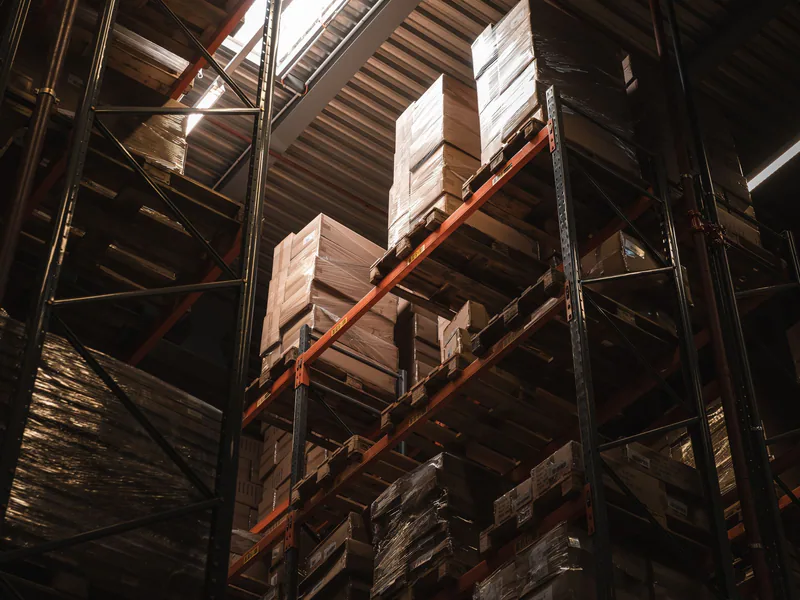
Separate released, on-hold, rejected and rework material physically and electronically. When a pack is opened, record the quantity removed and return the remaining pieces under the same protection and identification. Do not combine remnants from different lots to save rack space.
Use first-in/first-out where the specification or process benefits from it, but never let FIFO override quarantine or expiration rules. If cleaning, protective film, desiccant or another packaging component has a qualified service life, include it in the review date.
The busbar fabrication quality-control guide shows how material identity should continue into cutting, punching, bending and final inspection. Warehouse transactions are part of that genealogy.
Inspect at Receipt, Before Processing, and After Long Storage
Inspect the pack before opening: impact indicators if used, broken bands, crushed corners, water exposure, punctured barrier material and shifted supports. Photograph material packaging damage before unloading or reworking it.
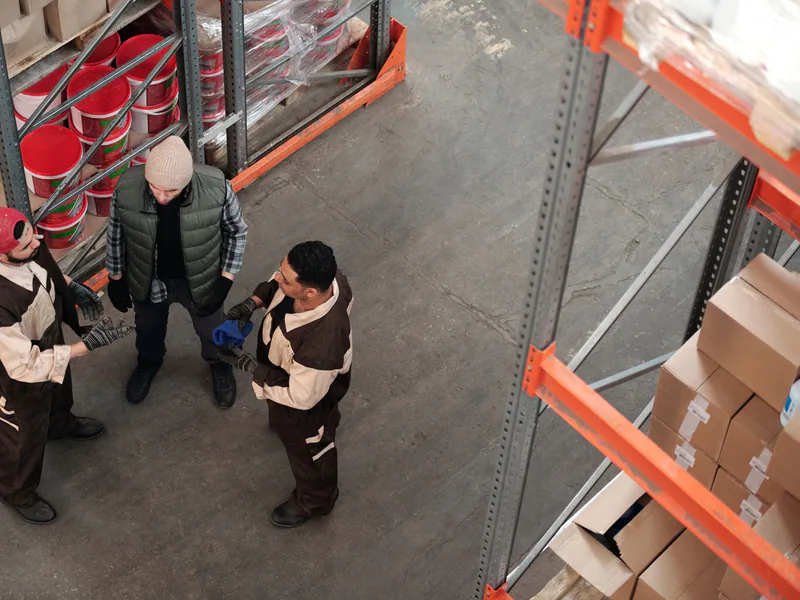
After opening, sample the protected and highest-risk locations. Check identity, moisture, stains, corrosion products, dents, scratches, edge damage, flatness, coating/insulation condition and contact pads. Repeat an appropriate inspection before plating or assembly after long or adverse storage.
Do not clean every discoloration with abrasive paper. Aggressive restoration can remove plating, change contact flatness, embed abrasive, reduce edge distance or erase traceability. Create approved categories: accept as is, clean by a specified method, re-inspect, replate/rework, or reject. The surface-treatment guide helps distinguish coating decisions from warehouse cleanup.
Write Packaging as a Supplier Requirement
The purchase specification should define the route, expected storage duration, environmental assumptions, maximum unit and pack weight, permitted separators and wraps, prohibited direct-contact materials, support and lifting design, label content, pack inspection and evidence.
For export shipments, include container loading, blocking, moisture strategy, customs access and repacking responsibility. State what happens after damaged packaging or water exposure and who may authorize rework. Photos of the closed pack, internal supports and labels can provide useful shipping evidence.
For plated parts that will still be punched or bent, align packaging with the controls in the guide to processing tin-plated busbars. The finish needs protection during both transport and fabrication.
Good packaging is not judged by the amount of plastic or timber used. It is judged by whether the correct lot arrives dry, straight, clean, identifiable and ready for its next controlled operation.
Frequently Asked Questions (FAQs)
Does light tarnish mean a copper busbar must be rejected?
Not automatically. Disposition depends on the specified surface, location, contact function, plating or insulation process, corrosion products, dimensional condition, and approved restoration method. A contact pad or bond surface generally needs stricter control than a nonfunctional cosmetic area.
Can copper busbars be sealed in plastic for long-term storage?
Only under a qualified packaging plan. Sealing damp or warm material can trap moisture and create condensation. Packaging must be clean, compatible with bare copper, plating and insulation, and suited to the storage climate and duration.
Is VCI packaging safe for every copper busbar?
No universal compatibility should be assumed. The VCI chemistry, copper alloy, plating, insulation, adhesive, cleaning process, electrical contact requirements, storage period, and customer restrictions must be reviewed and qualified together.
How should long copper busbars be supported in storage?
Use clean, level, load-rated supports with spacing and separator materials selected to prevent permanent set, point loads, rubbing, edge damage, and mixed-lot contact. The rack and packaging design should be verified for the actual bar length, section and bundle weight.