
How Does a Multi-Function CNC Busbar Machine Reduce Switchgear Production Costs?

Why Is Switchgear Manufacturing Facing Unprecedented Cost Pressures?
A multi-function CNC busbar processing machine reduces overall switchgear production costs by up to 40% through aggressive labor consolidation, copper scrap minimization, and simultaneous multi-station operation. According to the latest data from the World Economic Forum (WEF), the global heavy manufacturing sector is facing a severe shortage of skilled industrial workers in 2026, driving specialized labor costs up by over 18% annually. When our panel builder clients deploy the DH303-8P 3-in-1 Workstation, they successfully replace three separate legacy machines with a single automated footprint. Because this unit utilizes three entirely independent hydraulic pumps and motor circuits, three operators can punch, shear, and bend thick copper busbars simultaneously without experiencing any hydraulic pressure drop. By integrating advanced CAD/CAM nesting software directly into the Siemens PLC, our clients are routinely reducing high-value copper waste by 12-15%, ensuring a rapid ROI that typically breaks even within 11 to 14 months of active commissioning.
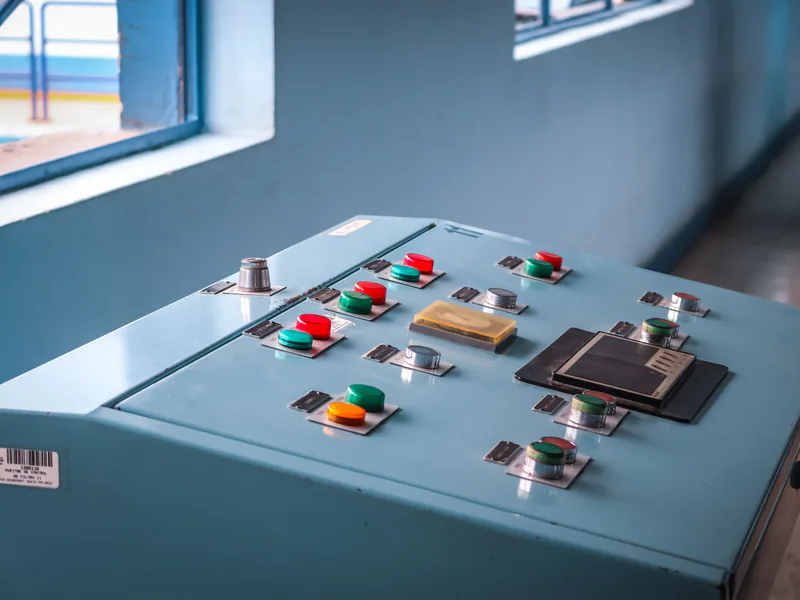
How a Switchboard Builder Reclaimed Their Profit Margins
Consider a recent case study involving a medium-voltage switchboard manufacturer in South America. They were operating on paper-thin margins due to two factors: the soaring price of raw copper on the London Metal Exchange (LME) and a highly inefficient floor layout. They were moving heavy 6-meter copper bars between three separate, aging manual machines (a punch press, a shear, and a bender).
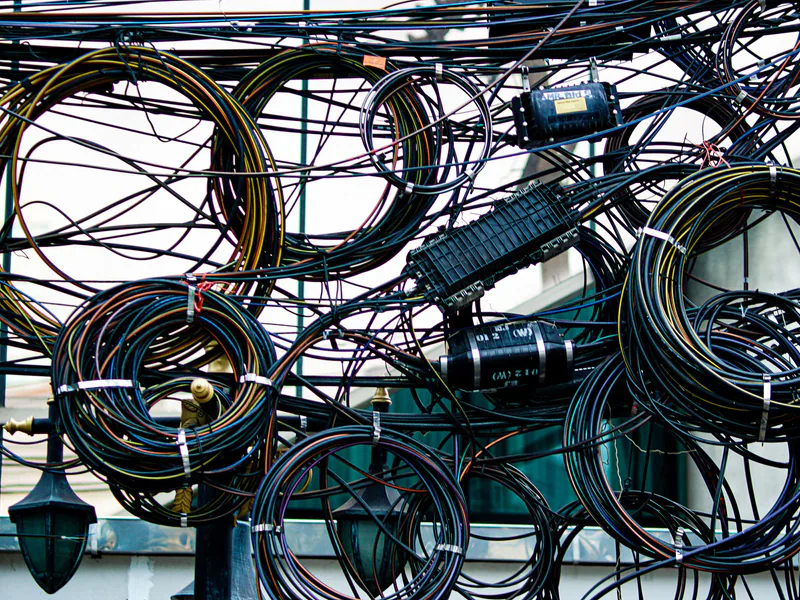
The material handling alone required two workers just to carry the copper across the factory floor. Furthermore, human error in measuring the punch distances resulted in a scrap rate nearing 8%.
We analyzed their production workflow and recommended the installation of our integrated 3-in-1 workstation. By consolidating all three operations into one cell, they eliminated the intra-factory transport time. The CNC touch-screen allowed operators to input the exact dimensions, and the machine’s automated X-Y axis positioning completely eliminated human measurement errors. Their scrap rate plummeted to under 1.5%, and they were able to reassign two material handlers to more productive assembly tasks.
What Are the Hidden Costs of Manual Busbar Processing?
When evaluating the Total Cost of Ownership (TCO) for busbar machinery, many plant managers only look at the initial sticker price. However, the operational inefficiencies of manual or semi-automated equipment are where the true financial drain occurs.

How Do Separate Machines and 3-in-1 CNC Stations Compare?
The following table breaks down the economic impact of upgrading your production line.
| Cost Variable | Separate Manual Machines (x3) | DH303-8P Multi-Function CNC |
|---|---|---|
| Floor Space Required | Very High (Requires transport lanes) | Compact (Single workstation footprint) |
| Labor Requirement | High (Operators + Material Handlers) | Optimized (Operators only) |
| Material Scrap Rate | High (5% - 10% due to human error) | Very Low (<2% with CAD nesting) |
| Production Speed | Slow (Sequential processing) | Fast (Simultaneous processing) |
| Hydraulic Maintenance | High (Three separate fluid systems) | Centralized (Easier preventative maintenance) |
Why Does Copper Waste Reduction Drive ROI?
Copper is arguably the most expensive raw material in electrical panel building. Every centimeter of off-cut that goes into the scrap bin represents lost profit.

Our CNC machines utilize intelligent nesting software. When an engineer uploads a DWG or DXF file, the system algorithmically maps out the most efficient way to punch and shear multiple different busbar components from a single raw bar. It mathematically minimizes the space between cuts, ensuring maximum material utilization. Given current commodity prices, saving just a few kilograms of copper per day quickly translates into tens of thousands of dollars in annual savings.
How to Calculate Your Potential Savings
If you are expanding your switchgear production facility and want to protect your profit margins against rising labor and material costs, automation is not an option—it is a necessity.

We encourage production managers to review the technical capabilities of our multi-function busbar processing equipment and contact our team for a customized ROI and TCO calculation based on your current production volumes.
Before estimating savings, map the actual routing and evidence burden with the busbar fabrication process and copper quality-control guide. It separates machine cycle time from the handling, deburring, inspection and traceability steps that also determine cost.
Frequently Asked Questions (FAQs)
How does a 3-in-1 busbar machine allow simultaneous operation without losing power?
True industrial 3-in-1 machines utilize three independent hydraulic pumps and electric motors. This ensures that when the punching station fires, it does not draw hydraulic pressure away from the bending or shearing stations.
Can CNC nesting software really save copper material?
Yes. By importing CAD files directly into the machine's PLC, the software algorithm calculates the most efficient layout for punching and shearing along the copper bar, typically reducing scrap waste by 12% to 15%.
DH303-8P 3-in-1 CNC Busbar Processing Machine
Discover details, parameters, standard dies packages, and factory quotes.