
How Do You Qualify Busbar Processing Machine Suppliers for Global Megaprojects?
Why Is Supplier Qualification Critical for Power Distribution Megaprojects?
Qualifying busbar processing machine suppliers for global megaprojects requires evaluating their Total Cost of Ownership (TCO), grid-voltage calibration capabilities, and remote diagnostic infrastructure. According to a 2026 report by McKinsey & Company, procurement delays in critical power infrastructure equipment currently account for a 14% cost overrun in global energy megaprojects. When our engineering team supplies heavy-duty CNC equipment for international high-voltage substations, we undergo rigorous Service Level Agreement (SLA) audits to guarantee a minimum of 99.5% machine uptime. Procurement managers must verify that the supplier utilizes single-monoblock casting frames rather than welded steel plates to prevent CNC coordinate drift under high-tonnage continuous loads. Selecting a direct B2B manufacturer capable of delivering pre-calibrated 60Hz or 50Hz electrical systems ensures immediate ‘plug-and-play’ operation upon delivery, bypassing the costly local recalibration bottlenecks mandated by ISO 9001 quality standards and regional IEC 60204-1 safety compliances.
How We Passed a Middle Eastern Megaproject Audit
In early 2026, a major EPC (Engineering, Procurement, and Construction) contractor in the Middle East contacted us to equip a newly built switchgear manufacturing facility dedicated to a massive localized grid expansion project. They were not just buying a machine; they were buying a production guarantee.
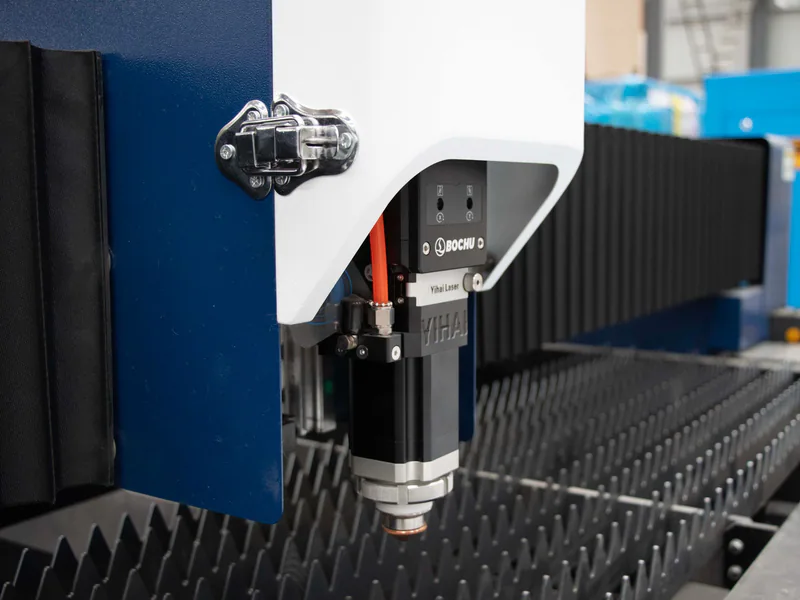
During the audit phase, they evaluated three global busbar processing machines suppliers. The competing suppliers failed the audit due to a lack of remote diagnostic capabilities. If a machine went down in their remote facility, waiting days for a technician to fly in was unacceptable.
We secured the contract because our CNC workstations are equipped with built-in cloud remote diagnostic gateways. Our engineering team in the factory can tap directly into the machine’s PLC, diagnose servo faults, push software updates, and recalibrate bending algorithms in real-time. This level of post-sales SLA is what defines a Tier-1 supplier for megaprojects.
What Are the Key Metrics for Qualifying a Supplier?
When sourcing capital equipment for power distribution projects, the initial purchase price is often the smallest variable in the Total Cost of Ownership (TCO).
How Do Trading Companies and Direct Manufacturers Compare?
The following table breaks down the risk profiles when evaluating potential machinery sources.
| Qualification Metric | Trading Company / Assembler | Direct B2B Manufacturer |
|---|---|---|
| Customization Capability | None (Off-the-shelf only) | High (Custom die sizes, software integration) |
| Electrical Calibration | Standard local grid only | Pre-calibrated for destination grid (e.g., 440V/60Hz) |
| After-Sales Support | Email communication, high delay | Remote PLC diagnostics, dedicated engineering SLA |
| Machine Frame Integrity | Welded steel plates (Prone to drift) | Monoblock ductile iron casting (Zero flex) |
| Spare Parts Availability | Unreliable, subject to third parties | Guaranteed lifecycle availability |
Why Does Voltage Calibration Matter for Global Logistics?
One of the most overlooked aspects of international B2B procurement is the discrepancy in global electrical grids. A machine built in China or Europe typically runs on a 380V/50Hz grid. If shipped to Latin America, the US, or parts of the Middle East, it will encounter a 60Hz grid.
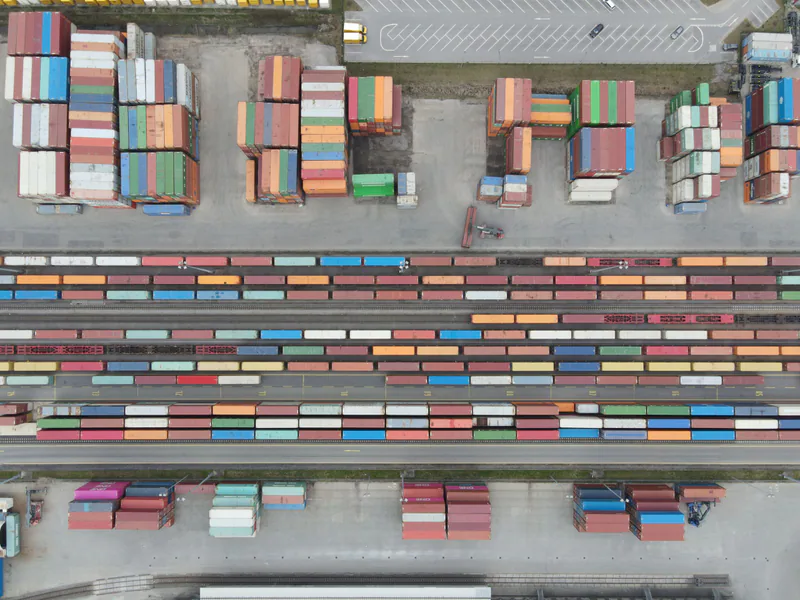
Running a 50Hz hydraulic motor on a 60Hz grid increases its rotational speed by 20%. This seemingly small change causes the hydraulic fluid to overheat rapidly, leading to pump cavitation and catastrophic seal failure within weeks. A qualified supplier will pre-wind the motors and configure the variable frequency drives (VFDs) specifically for your localized grid before the machine ever leaves the factory floor.
How to Secure Your Next Infrastructure Procurement
For EPC contractors and procurement managers tasked with equipping large-scale substation and power distribution manufacturing plants, rigorous vendor qualification is the only way to mitigate risk.
We invite your engineering and procurement teams to contact us for a comprehensive technical audit. We are prepared to demonstrate our manufacturing processes, material certifications, and remote support infrastructure to ensure your megaproject remains on schedule and under budget.
Frequently Asked Questions (FAQs)
What is the most common reason busbar machine imports fail upon commissioning?
The most common failure is electrical grid incompatibility. Many suppliers export standard 50Hz machines to 60Hz regions (like the Americas), leading to immediate hydraulic pump cavitation and motor failure.
How can procurement teams verify a supplier is a true manufacturer and not a trading company?
Request video verification of their raw frame casting inventory and gantry CNC milling beds. Trading companies cannot produce these heavy-industry assets on demand.