
Medium-Power EV Busbars: Design and Production Planning
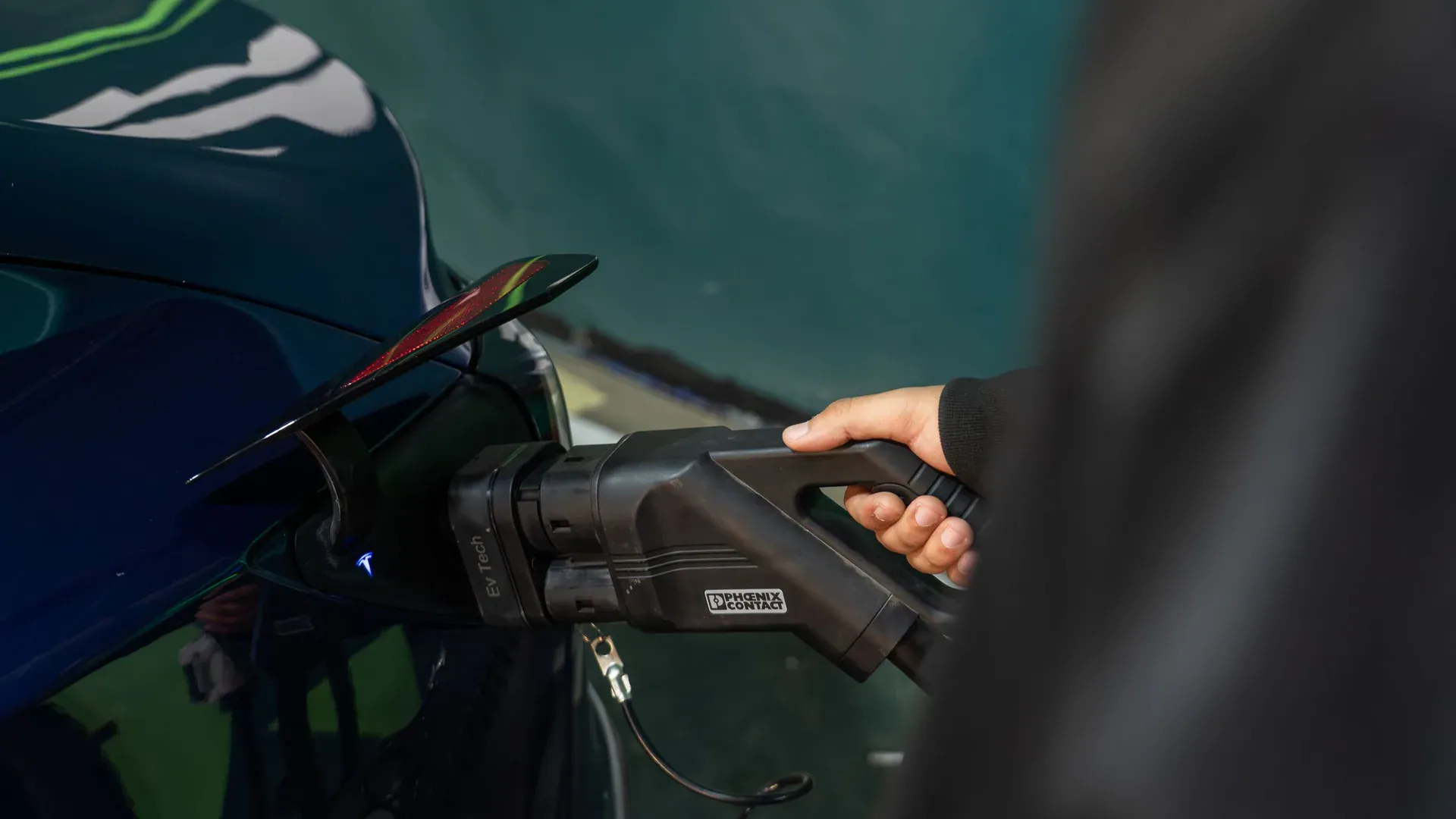
“Medium-power EV busbar” is useful for market analysis but incomplete for engineering. A commonly cited research segmentation places medium power at 125–800 A. No global automotive standard makes every conductor in that current band equivalent, and current alone cannot determine geometry, material, insulation or manufacturing equipment.
The segment remains commercially relevant because EV production is expanding across passenger cars, commercial vehicles and two- and three-wheelers. The IEA Global EV Outlook 2026 reports that electric-car sales exceeded 20 million in 2025 and projects about 23 million in 2026. It also notes strong recent growth in electric two- and three-wheelers in India and Southeast Asia. Those are demand indicators, not a standalone forecast for one busbar power class.
Treat 125–800 A as a reporting label
Market reports group products to estimate revenue. Engineering teams specify conductors from duty. A busbar described only as “400 A” is missing the information needed to design or quote it.
Define:
- continuous current and permitted temperature rise;
- peak current, duration and repetition;
- system operating and test voltage;
- ambient and local enclosure temperature;
- cooling path and adjacent heat sources;
- short-circuit or fault-current duty;
- vibration, shock and corrosion environment;
- connection type, fastener or joining process;
- packaging space, creepage, clearance and insulation system;
- production volume, inspection and traceability.
The same 400 A label could describe a short battery-pack link, a charging interface, an inverter connection or an auxiliary distribution component. Their mechanical and electrical risks differ.
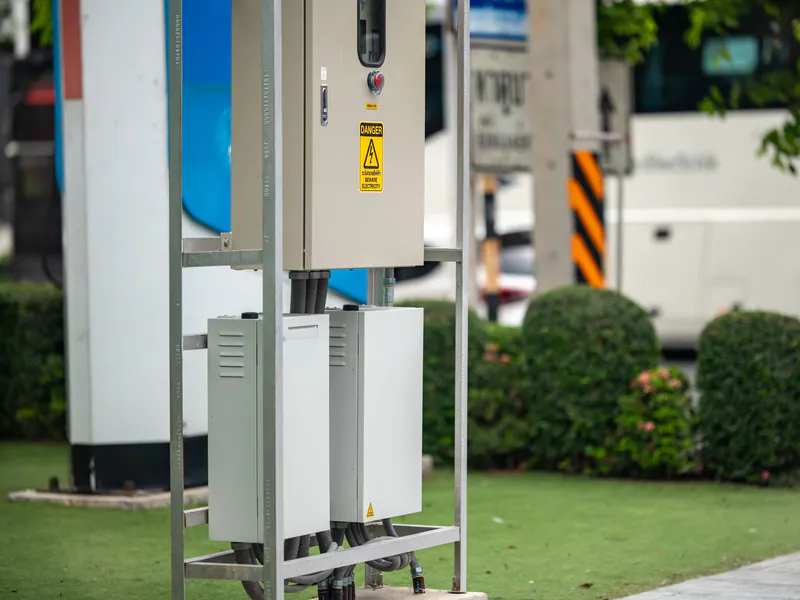
Applications create different procurement priorities
Battery-pack internal conductors
Packaging, vibration, cell-module interfaces, insulation and assembly sequence are often dominant. A thin or shaped conductor may need coating, overmoulding, welded features or sensor integration beyond rigid-bar CNC work.
Charging and power-distribution interfaces
Peak duty, connector temperature, corrosion and repeated mechanical loading can drive material and joint decisions. The charging-system design and qualification plan matter more than a generic current segment.
Commercial vehicles and two- or three-wheelers
Production economics, space and mass targets vary widely. Strong market growth does not mean every programme uses the same cross-section or manufacturing route. Procurement should obtain the released part family before sizing equipment.
The site’s EV power-class segmentation overview compares the broader low-, medium- and high-power reporting categories. This article stays focused on turning the medium segment into a producible specification.
Compare copper and aluminum at system level
| Decision factor | Copper | Aluminum |
|---|---|---|
| Conductivity per cross-section | Higher | Lower, so equivalent designs generally need more area |
| Density | Higher | Lower, supporting mass reduction |
| Joint design | Mature bolted, brazed and welded options | Oxide, creep and galvanic transitions require focused control |
| Packaging | Can reduce section for a given electrical design | Larger section can offset some mass and cost advantages |
| Process qualification | Grade, temper, plating and heat input matter | Alloy, temper, joining and surface preparation are especially important |
A material comparison by price per kilogram is incomplete. Compare conductor geometry, finished-part mass, joining, plating, scrap recovery, thermal performance, enclosure impact and validation cost.
The article on copper versus aluminum EV busbars covers the material decision in greater depth.
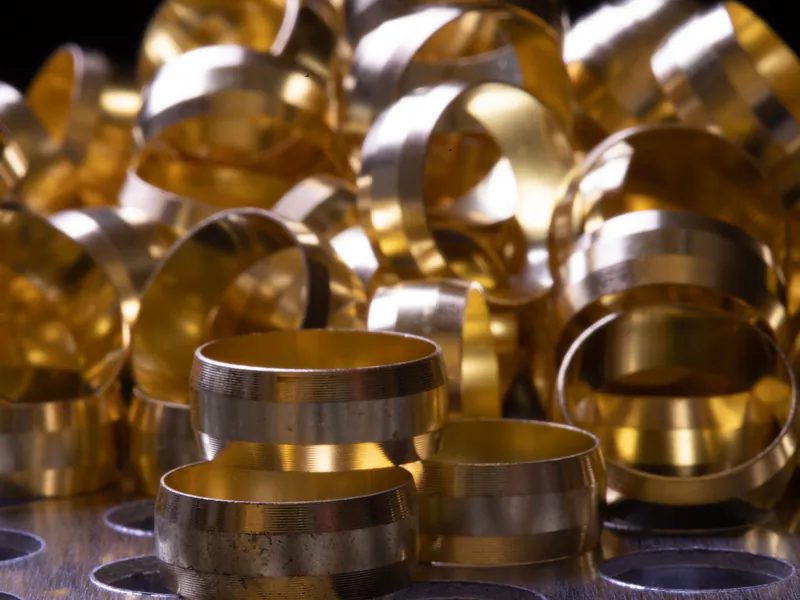
Make dimensions and interfaces measurable
An EV busbar drawing can control:
- material grade and temper;
- thickness, width and edge profile;
- hole and slot datums;
- flatness, twist and bend angles;
- plating or insulation boundaries;
- contact-surface finish and contamination limits;
- weld or fastener interface geometry;
- approved burr and edge-break condition;
- electrical test and dimensional sampling.
Do not import a blanket ±0.1 mm hole tolerance, 3–8 μm tin thickness or ±0.2° bend target from an unrelated article. Those values must come from the customer design and validated process. Tighter is not automatically better if it adds cost without improving fit, electrical performance or quality risk.
Use the right standards context
IEC 62133-2 specifies safety requirements and tests for portable sealed secondary lithium cells and batteries. It is not an EV busbar manufacturing standard.
IEC 61439-1 covers general rules for low-voltage switchgear and controlgear assemblies. It may be relevant to charging or industrial assemblies in a separate product context, but it does not define automotive busbar machining.
For automotive production parts, quality-system and customer-specific requirements are central. IATF rules describe eligibility for sites making production, service and accessory parts supplied to automotive customers; current requirements and OEM-specific documents are available through IATF Global Oversight. Whether certification is contractually required depends on the customer and supply-chain position.
Separate rigid-bar CNC work from the full EV process
A rigid busbar route can include shearing, punching, deburring, bending, cleaning, surface treatment, insulation and final inspection. Laminated products add layer preparation, dielectric films, bonding or moulding, registration control, termination finishing and electrical testing. Flexible busbars use another process set.
The DH303-8P multi-function machine publishes punching, shearing and bending capability for rigid bars up to its model envelope, with ±0.5° bending accuracy. It can be appropriate for prototyping or mixed lower-volume rigid parts when the drawings fit. It should not be described as a complete laminated-busbar line or assigned a ±0.2° specification.
For punching-heavy production, the DHCNC-BP-60 publishes ±0.20 mm/m hole-pitch accuracy and a 200 × 15 mm maximum bar envelope. Dedicated equipment may improve parallel throughput, but the buyer should model actual cycle, handling and inspection.
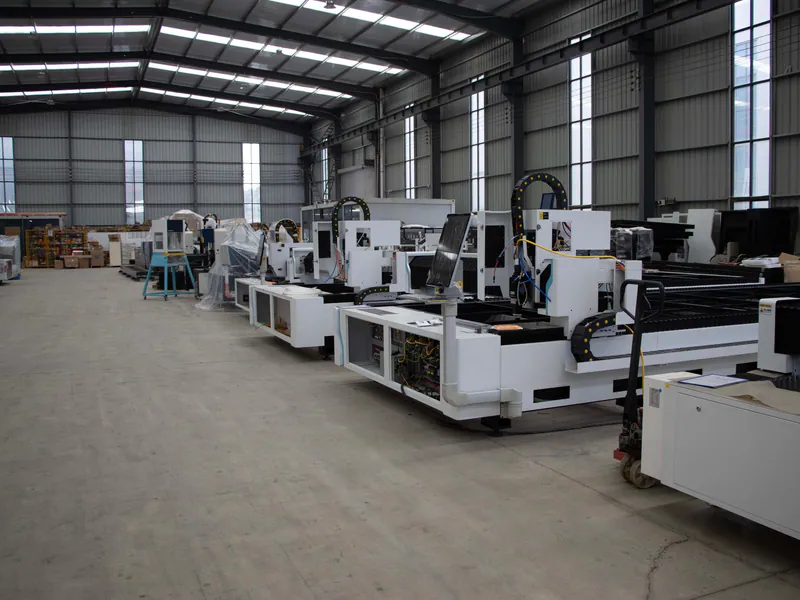
Qualify the production cell with programme parts
Before awarding equipment or a busbar supplier:
- freeze representative drawings and material specifications;
- identify special processes and outsourced operations;
- run capability trials across thickness and geometry extremes;
- validate joining, coating and insulation after forming;
- measure electrical and dimensional characteristics using agreed methods;
- establish change control, traceability and non-conformance handling;
- repeat validation after material, tooling or process changes where required.
This turns a broad market opportunity into a programme-specific manufacturing plan. The useful commercial question is not “How big is the 125–800 A market?” but “Which released part families can this process produce repeatedly, and what evidence will the automotive customer accept?”
Frequently Asked Questions (FAQs)
What is a medium-power EV busbar?
Some market reports use 125–800 A as a medium-power segment, but that range is a reporting taxonomy rather than an engineering standard. A production drawing must state continuous and peak current, duration, temperature limits, cooling, voltage, environment and connection method.
Is copper or aluminum better for a medium-power EV busbar?
Neither is universally better. Copper offers higher conductivity and can reduce conductor cross-section; aluminum reduces mass and material cost but needs a larger section and carefully engineered joints, plating or transition features. The complete electrical, thermal and mechanical design decides.
Does IEC 62133 apply to EV busbar manufacturing?
IEC 62133-2 covers safety of portable sealed secondary lithium cells and batteries, not EV busbar machining. Automotive busbar requirements normally come from the vehicle programme, customer drawings, applicable vehicle regulations and the supplier quality plan.
Can a 3-in-1 machine produce EV busbars?
It can cover punching, shearing and bending for suitable rigid copper or aluminum parts within its published envelope. Laminated busbars, flexible connections, coating, insulation, joining and electrical testing require additional specialised processes.
DH303-8P 3-in-1 CNC Busbar Processing Machine
Discover details, parameters, standard dies packages, and factory quotes.