
What Specific CNC Busbar Machines Are Required for PV Inverter Assembly?
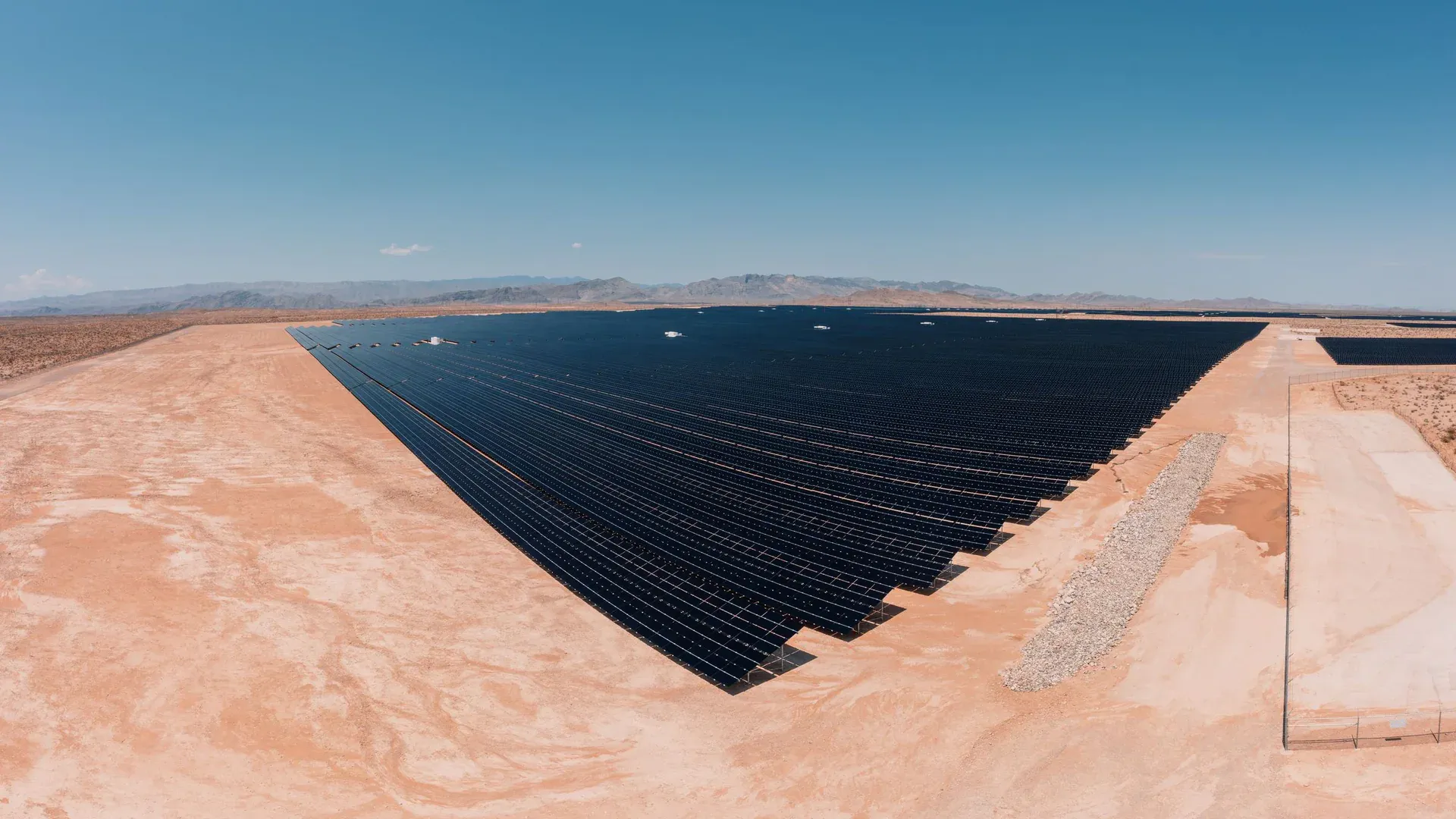
Why Are Solar PV Inverters Driving New Demand for Precision Busbar Machining?
The exponential growth of utility-scale solar farms in 2026 requires massive central PV inverters, driving unprecedented demand for precision PV busbar machines. According to the International Energy Agency (IEA), global solar capacity additions will surpass 600 GW this year, necessitating highly efficient DC-to-AC conversion infrastructure. Our global manufacturing clients are standardizing on the DHCNC-BP-60 Punching & Shearing Center to process the thick internal copper bridging required for high-capacity 1500V DC inverter blocks. By utilizing advanced CNC automation, they achieve high-volume repeatability and completely eliminate the thermal bottlenecks caused by manual hole-punching discrepancies. This level of mechanical precision is critical for maintaining overall inverter efficiency ratings above 99% and ensuring strict compliance with the safety and durability protocols outlined by Underwriters Laboratories (UL 1741) and the latest U.S. Inflation Reduction Act (IRA) domestic supply chain mandates.
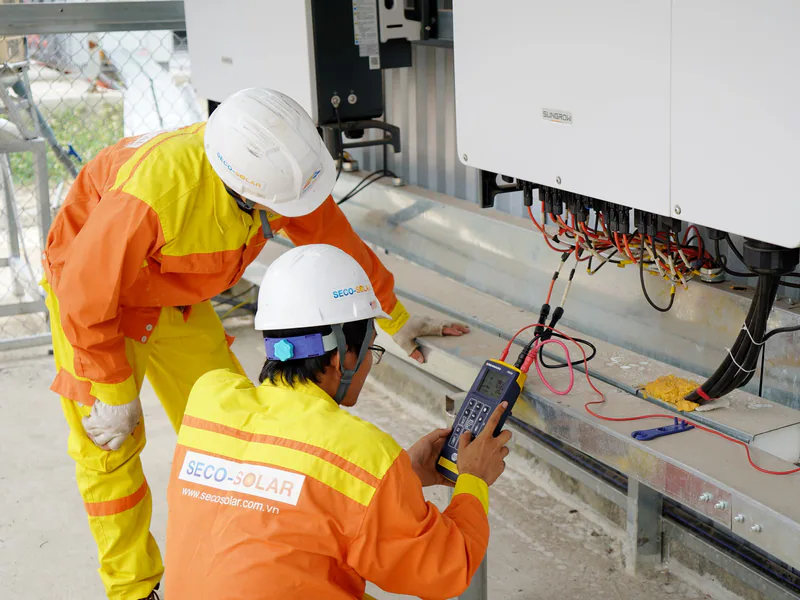
How We Optimized a Solar Manufacturer’s Production Line
Last quarter, our engineering team collaborated with a leading North American solar energy contractor setting up a new domestic assembly plant for 2MW central inverters. They were facing a significant bottleneck: their legacy hydraulic presses were creating burrs during the copper punching phase, which required labor-intensive manual filing.
In the solar industry, a burr on a busbar joint within a 1500V DC system acts as an air gap, exponentially increasing resistance and localized heating. We integrated our specialized DHCNC-BP-60 Punching & Shearing Center into their workflow. By utilizing our proprietary Cr12MoV vacuum-hardened punch dies and automated X-Y axis positioning, we eliminated the burr issue entirely. The client achieved a “dock-to-stock” yield rate of 99.9%, drastically reducing their labor costs and ensuring their inverters met the 25-year lifespan guarantee expected by utility providers.
What Are the Key Machining Challenges in PV Busbar Production?
As PV systems transition from 1000V to 1500V architectures to lower the Levelized Cost of Energy (LCOE), the demands on the internal copper architecture increase significantly.
How Do 1000V and 1500V PV Busbars Compare?
The following table highlights the shifting engineering parameters in solar inverter manufacturing.
| Engineering Parameter | Traditional 1000V PV Systems | Modern 1500V PV Systems (2026 Standard) |
|---|---|---|
| Copper Cross-Section | Standard thickness (e.g., 10mm) | Heavy-duty thickness (12mm - 15mm) |
| Hole Punch Precision | ±0.5mm | ±0.1mm (to ensure maximum surface contact area) |
| Surface Treatment | Bare copper often acceptable | Tin or Silver plating mandatory for anti-oxidation |
| Thermal Management | Passive cooling sufficient | Liquid-cooled heat sinks directly bolted to busbars |
| Equipment Requirement | Manual hydraulic presses | Automated CNC punching to prevent micro-fractures |
Why Is Automated Punching Crucial for Solar ROI?
In utility-scale solar projects, margins are tight. The speed at which a manufacturer can assemble an inverter directly impacts their competitiveness. Manual busbar processing requires skilled operators to mark, punch, and shear thick copper bars—a process prone to human error and material waste.
Our CNC solutions automate this entire process. By utilizing CAD/CAM nesting software, we optimize the copper layout, reducing scrap material by up to 15%. Given the volatile price of copper on the London Metal Exchange (LME), this material savings alone often covers the ROI of the machine within the first 14 months of operation.
How to Scale Your Solar Manufacturing Facility
For energy contractors looking to localize their PV inverter production to capitalize on current government incentives, investing in the right CNC machinery is the first critical step.
We invite procurement teams to review our high-volume CNC busbar punching equipment and request a custom time-study analysis to see exactly how our machines can accelerate your production output.
Frequently Asked Questions (FAQs)
Why do PV inverters require specialized busbar processing?
Utility-scale PV inverters handle massive 1500V DC loads. The internal copper busbars must have extremely precise punch holes to accommodate heavy-duty bolted connections without introducing contact resistance, which causes efficiency losses.
What is the primary material used for solar inverter busbars?
High-conductivity Electrolytic Tough Pitch (ETP) Copper, often tinned or silver-plated to prevent oxidation in harsh outdoor solar farm environments.
DHCNC-BP-60 CNC Punching & Shearing Workstation
Discover details, parameters, standard dies packages, and factory quotes.