
How to Verify and Audit a CNC Busbar Machine Factory in China
Sourcing Summary
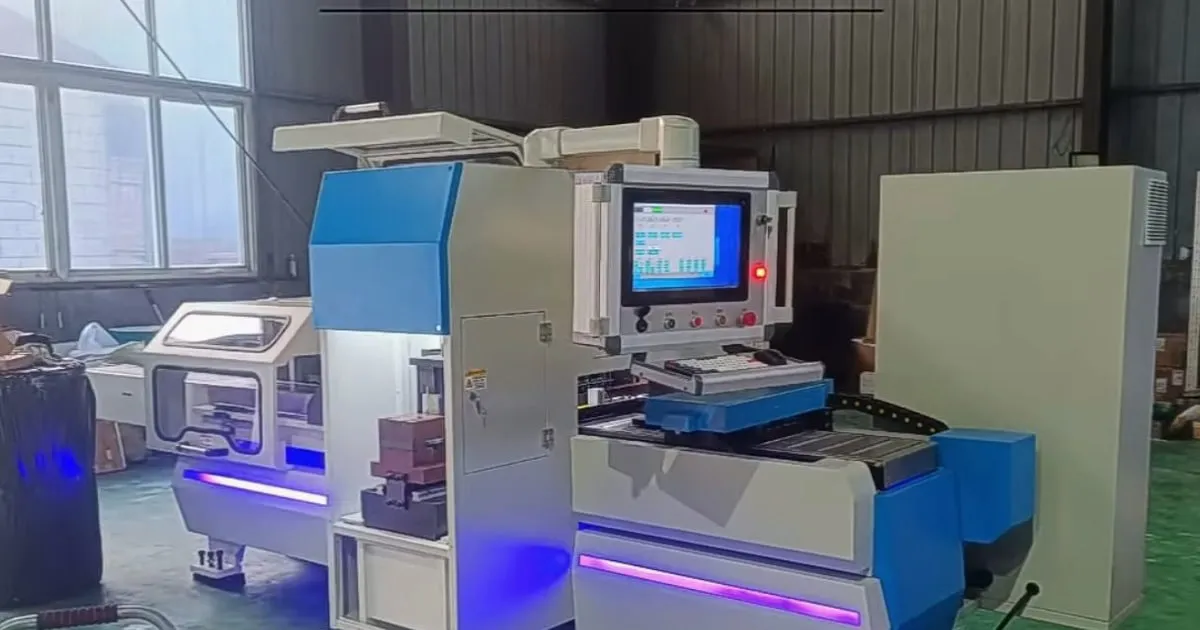
For switchgear panel plants, power transformer assembly facilities, and high-voltage grid contractors, importing industrial CNC busbar processing machinery from China is a highly cost-effective sourcing strategy. However, navigating the Chinese industrial market represents significant challenges. B2B procurement managers often find it difficult to distinguish direct, high-quality manufacturers from trading companies or low-end assembly shops.
Sourcing low-cost machinery with sub-standard structural frames, unhardened dies, and generic PLCs leads to continuous breakdown downtime and expensive local recalibration fees. Implementing a rigorous factory audit and verification protocol is essential to secure your investment and ensure long-term operational success.
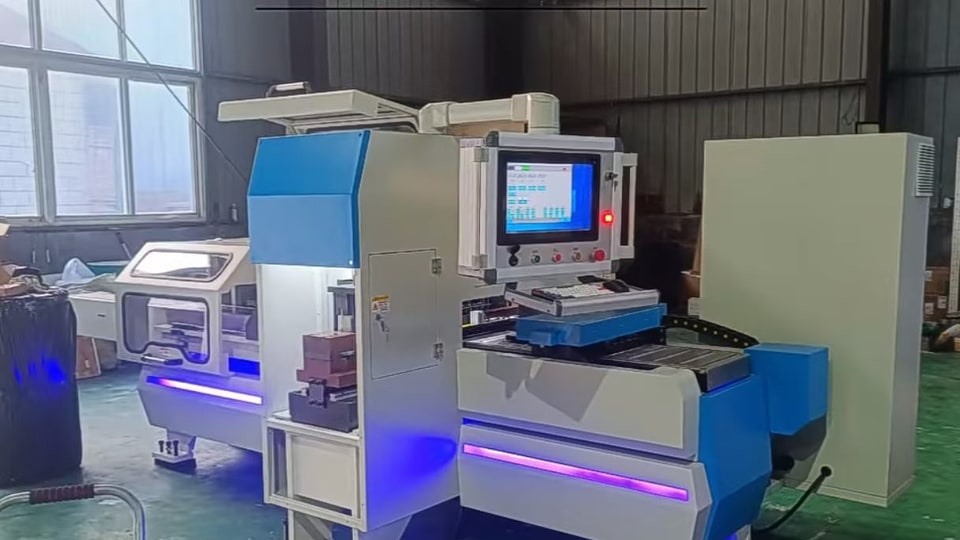
Here is a technical B2B guide on how to conduct a professional technical audit of a CNC busbar machine manufacturer in China.
1. Inspecting the Machine Bed: Monoblock Casting vs. Welded Sheets
The mechanical foundation of any high-tonnage hydraulic machine determines its lifespan. When auditing a manufacturing plant (either in-person or via live video feed):
- Verify the Monoblock Casting Bed: Ask the supplier to show the raw frame casting inventory. Direct manufacturers poured high-conductivity ductile iron into a single continuous monoblock bed. Check for the milling marks from a large gantry CNC bed milling machine.
- Identify Welded Steel Plates (Red Flag): Lower-cost workshops assemble frames by welding steel sheets together. Under continuous hydraulic pressures up to 31.5 MPa, these welds fatigue and flex, causing coordinates misalignment.
Our flagship DHCNC-BP-60 Punching & Shearing Center and DHAC-BB-H Servo Bending Workstation are built exclusively on stress-relieved monoblock cast beds to guarantee zero transit drift.
2. Auditing the Tooling Metallurgy and Hardening Logs
The quality of punch dies, bending mandrels, and shear blades governs ongoing tooling maintenance costs. You should request the supplier’s material certificates and heat treatment records:
- Material Standard: Insist on Cr12MoV tool steel for all punching and shearing components.
- Hardness Logs: Verify that the dies are vacuum-hardened to HRC 58-62. Ask to see the factory’s Rockwell hardness tester in active operation.
- Clearance Calculations: Confirm that the manufacturer calculates punch-to-die clearances specifically for your target copper thicknesses, which is essential to prevent copper burrs violating IEC 61439-1 standards.
3. Verifying Hydraulic Circuit Components and Pumps
The stability of hydraulic performance under thermal load separates B2B workstations from hobbyist tools. Your technical audit must inspect the following components:
- Hydraulic Pump Brand: Verify that the pumps are from established industrial brands (such as Rexroth or high-quality equivalents).
- Proportional Valves: Ensure the bending station utilizes proportional flow control valves rather than standard binary on/off solenoids, which is necessary to achieve high-precision ±0.2° bending angle repeatability.
- Independent Motors: Check the multi-function DH303-8P 3-in-1 Workstation to confirm it utilizes three separate pumps and motors, allowing three operators to work simultaneously with zero drop in pressure.
4. Electrical Calibration & Grid Matching Audit
A common import bottleneck is grid voltage incompatibility. Trading companies frequently export standard Chinese grid machines (380V/50Hz) to 60Hz regions (like Mexico, Latin America, or the USA) without modifying the motor wind parameters:
- Cavitation Risk: Running a 50Hz hydraulic motor on a 60Hz grid increases rotational speed by 20%, causing hydraulic fluid overheating, seal degradation, and pump cavitation.
- Factory Verification: Your audit checklist must verify that the motor nameplate and wiring diagrams match your plant’s exact grid parameters (220V/60Hz, 440V/60Hz, or 380V/50Hz three-phase).
- 72-Hour Load Stress Testing: Request the active test log showing the machine has run a continuous automated stress sequence under correct voltage for 72 hours before crating.
B2B Factory Sourcing Audit Checklist
| Audit Point | Trading Company / Assembler | Direct B2B Manufacturer (DH CNC) |
|---|---|---|
| Frame bed | Welded steel sheets (flexes under load) | Monoblock ductile iron casting (zero flex) |
| Tooling steel | Generic high-carbon steel (dulls quickly) | Hardened Cr12MoV tool steel (HRC 58-62) |
| Bending drive | Conventional solenoid (angular drift) | Proportional closed-loop servo (±0.2° accuracy) |
| Grid wiring | Generic 50Hz (cavitation risk in LATAM) | Pre-calibrated grid voltages (220V/440V - 60Hz) |
| Packaging | Thin plastic stretch wrap | Vacuum-sealed moisture barrier in steel crate |
| Support Gateway | No remote access, email only | Built-in cloud remote diagnostics gateway |
When sourcing new equipment for your switchboard plant, we highly recommend that procurement engineers request a custom engineering feasibility audit to review CAD files and verify technical specifications prior to production.
Standards and Citations
- ISO 9001:2015 - Quality management systems requirements.
- IEC 60204-1 - Electrical safety of industrial machinery.
- GB/T 19001-2016 - Quality management systems (national Chinese equivalent).
Frequently Asked Questions (FAQs)
What is the single most critical inspection point when auditing a Chinese busbar machine factory?
Verify the frame casting bed alignment. Sourcing plants must show that the machine beds are cast as single monoblock ductile iron structures and milled on a single gantry CNC milling bed, rather than using cheap welded steel plate sheets.
Why is grid-voltage calibration a common bottleneck during B2B importing?
Running a standard 50Hz motor on a 60Hz Latin American grid (like 220V/60Hz or 440V/60Hz) causes pump cavitation and overheating. Direct factory pre-calibration and 72-hour stress testing under correct voltage are mandatory.
DH303-8P 3-in-1 CNC Busbar Processing Machine
Discover details, parameters, standard dies packages, and factory quotes.